
Learn robot-programming
3 expert-rated courses covering robot-programming. Compared by rating, price, difficulty, and job relevance so you can pick the right one.
Demand for skilled Robot Programmers is surging across industries like manufacturing, construction, healthcare, and aerospace. Robot Programming skills can boost salaries by 20-30% and open up new high-paying roles like Robotics Engineer and Automation Specialist.
Catalog analysis updated . Ratings are independent editorial scores. Read the rating methodology.
Key Facts About robot-programming
- 1Robot Programming involves coding in languages like Python, C++, and ROS (Robot Operating System) to control robotic arms, mobile platforms, and autonomous systems.
- 2The global robotics market is projected to reach $74 billion by 2026, growing at a CAGR of 19% from 2021.
- 3Common robot programming tasks include motion planning, sensor integration, teleoperation, and task-level programming.
- 4Popular robot programming tools include ROS, Gazebo, MoveIt, and industrial automation software like FANUC, ABB, and Kuka.
- 5Robots are increasingly used for tasks like product assembly, material handling, welding, inspection, and surgery in modern factories and facilities.
Top robot-programming Courses
Siemens Robotics Course
Learn industrial robotics fundamentals using Siemens automation platforms and tools. This course covers robot programming, control systems, and integration with manufacturing environments. Gain practical skills in configuring and operating advanced robotic systems.
ROS2 Robotics Developer Course - Using ROS2 In Python
Gain expertise in the latest version of the Robot Operating System (ROS 2) in Python to program your own robots.
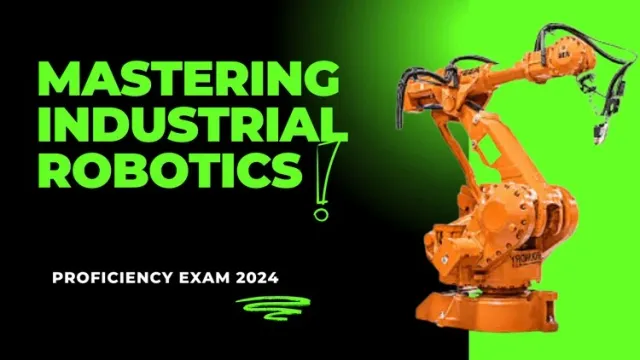
Industrial Robotics
Mathematical models and practical applications for industrial robotics programming.
Pro Tips for Learning robot-programming
- #1Start by learning foundational programming skills in Python or C++ before moving to robot-specific frameworks like ROS.
- #2Gain hands-on experience by working with simulated robots in tools like Gazebo before moving to real industrial hardware.
- #3Build personal robot projects to demonstrate your skills, such as a self-driving car, a robotic arm, or an autonomous drone.
Why Learn robot-programming?
- Robot Programming skills are in high demand for roles like Robotics Engineer, Automation Specialist, and Controls Technician.
- Proficiency in Robot Programming can increase your salary potential by 20-30% compared to general software development roles.
- Learning Robot Programming prepares you for the rapid automation and digitization happening across manufacturing, logistics, and other industries.
AI Tools for robot-programming
Apply your robot-programming skills with these recommended tools: