
Learn Robotics
21 expert-rated courses covering Robotics. Compared by rating, price, difficulty, and job relevance so you can pick the right one.
The current SkillsetCourse catalog demonstrates a rich selection of Robotics training, featuring courses on platforms like Udemy, Coursera, and edX. With 21 courses available, including 9 free options and all courses awarding certificates, learners can explore related skills such as Python and Digital Twin. This variety supports diverse learning paths tailored to individual career goals.
Catalog analysis updated . Ratings are independent editorial scores. Read the rating methodology.
Key Facts About Robotics
- 1Robotics encompasses various technologies, including ROS 2, Python, and computer vision.
- 2SkillsetCourse offers 21 courses dedicated to Robotics training.
- 3Nine of the Robotics courses are available for free.
- 4All Robotics courses provide certificates upon completion.
- 5Robotics applications include autonomous vehicles and digital twin technology.
Top Robotics Courses

Introduction to AI for Robotics
Arm Education's introduction to AI concepts for robotics applications including computer vision, planning, and embedded ML systems.
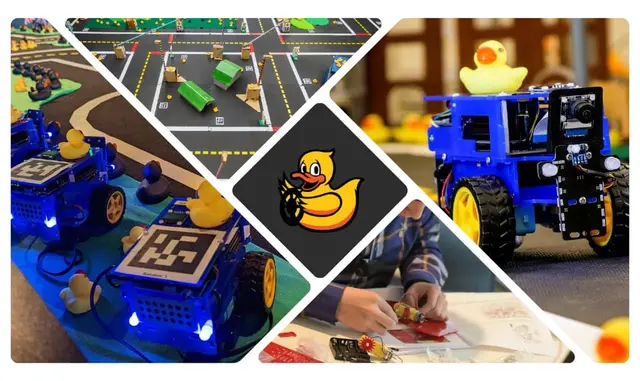
Robotics MicroMasters: Autonomous Navigation
Learn autonomous robot navigation through SLAM, path planning, and motion control. University-level robotics course.
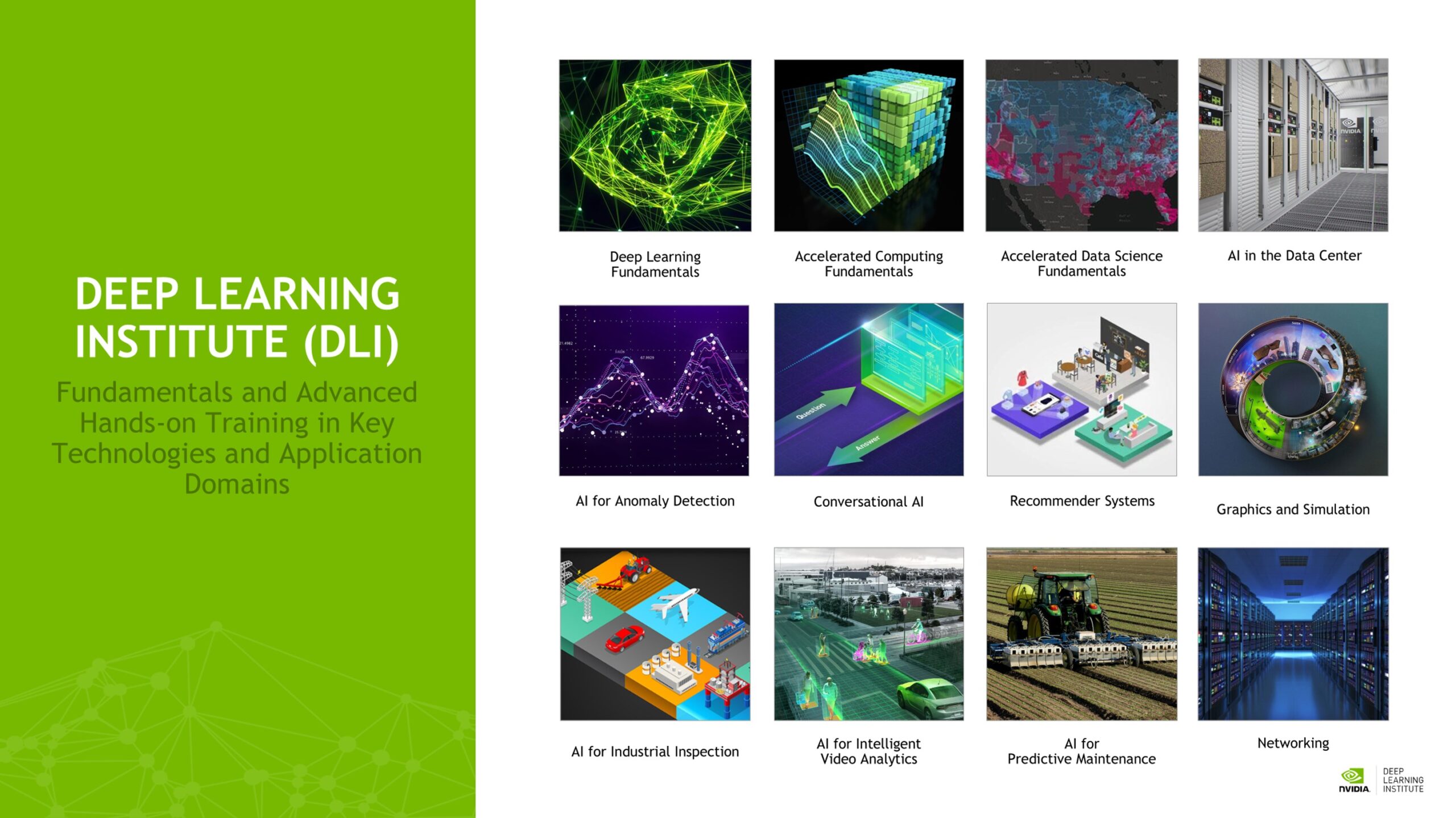
Sensor Integration with NVIDIA DRIVE
Learn sensor integration for autonomous vehicles using NVIDIA DRIVE. Cover camera, lidar, and radar fusion for self-driving systems.
Siemens Robotics Course
Learn industrial robotics fundamentals using Siemens automation platforms and tools. This course covers robot programming, control systems, and integration with manufacturing environments. Gain practical skills in configuring and operating advanced robotic systems.
Modern Robotics, Course 1: Foundations of Robot Motion
Explore the mathematics and algorithms behind modern robotic systems including kinematics, dynamics, and motion planning. This comprehensive course provides theoretical foundations and practical applications for designing and controlling sophisticated robots.
Fundamentals of Robotics and Industrial Automation
Discover the core principles of robotics and industrial automation systems. Learn about robot types, applications, safety protocols, and integration with manufacturing processes. Ideal for professionals entering the automation industry.
Introduction to Robotics on AWS
Learn how to build and deploy robotic applications using Amazon Web Services cloud infrastructure. This course covers ROS (Robot Operating System), simulation tools, and AWS robotics services for scalable robot development.
Requirement Specifications for Autonomous Systems
Learn to define and document requirements for autonomous systems and robots. This course covers safety specifications, functional requirements, and validation processes essential for developing reliable autonomous systems.
Verification and Synthesis of Autonomous Systems
Master formal methods for verifying and synthesizing autonomous systems. Learn model checking, automated synthesis techniques, and testing strategies to ensure safety and correctness of autonomous robots.
CPS Design for Mechatronics, Healthcare, EV, and Robotics
Explore Cyber-Physical Systems design principles applied to mechatronics, healthcare devices, electric vehicles, and robotic systems. Learn how to integrate hardware, software, and networking for intelligent automated systems.
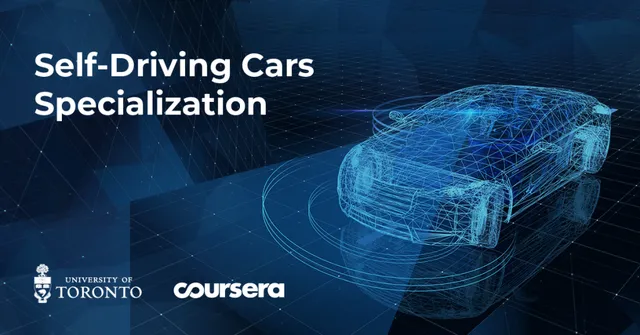
AI for Autonomous Vehicles and Robotics
Learn AI techniques for autonomous vehicles and robotics including deep learning, computer vision, reinforcement learning, and control.
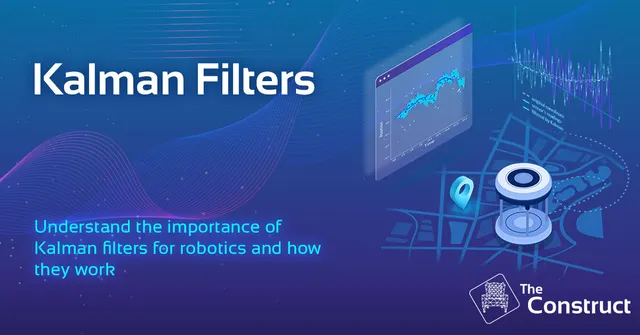
Kalman Filters & State Estimation for Robotics
Comprehensive course on Kalman filters, extended Kalman filters, and unscented Kalman filters for robotics state estimation and tracking.
Mastering ROS 2 for Robotics Programming Specialization
A comprehensive specialization covering ROS 2 fundamentals and advanced robotics programming techniques. Learn to develop, simulate, and deploy robotic applications using the Robot Operating System 2 framework.
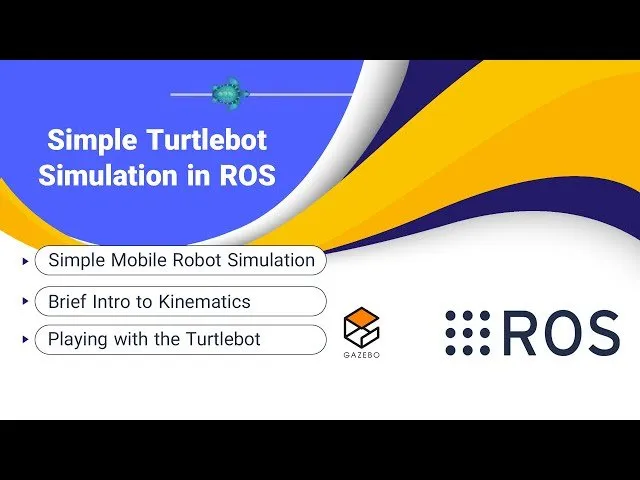
ROS 2 for Beginners (ROS Jazzy - 2026)
Master ROS2 Basics and Become a Robot Operating System Developer. Step by step guide covering Python and C++ for robotics programming.
ROS2 Robotics Developer Course - Using ROS2 In Python
Gain expertise in the latest version of the Robot Operating System (ROS 2) in Python to program your own robots.
ROS 2 and Raspberry Pi (+ Arduino)
Create Embedded and Distributed Robotics Applications with ROS2 and Raspberry Pi.
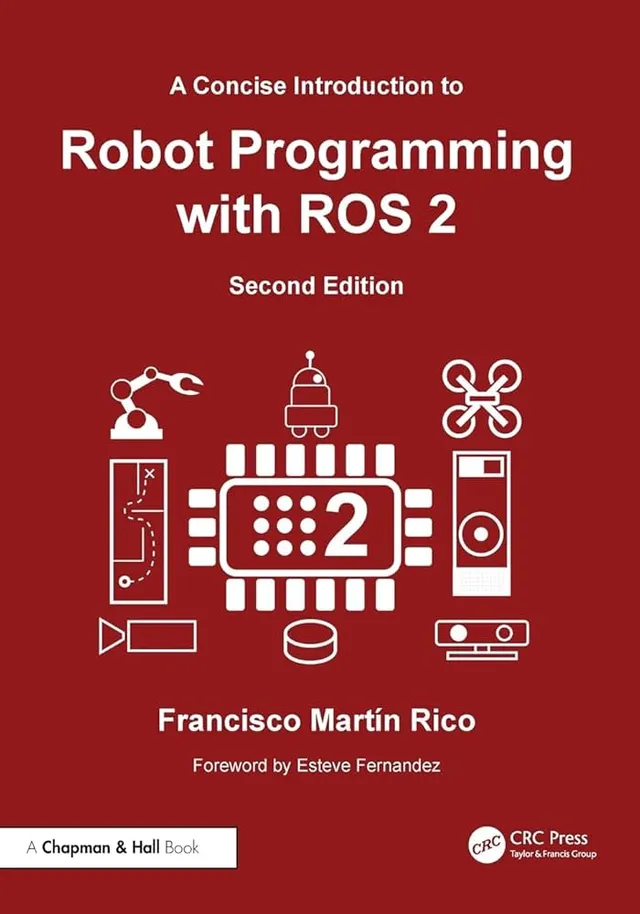
Computer Science & Robotics - Linux to ROS 2
Master Linux, Docker, ROS 2, and Git - the essential toolkit to build, simulate, and deploy modern robots.

Robotics & Mechatronics 3: Digital Twin Machines | Unity
Design physical and animated digital twins for any mechanical machine 3D model using Unity for industrial automation applications.
Industrial Digital Twins for Automation - Godot and CoDeSys
Create and connect digital twins with Godot and CoDeSys for robots and machines in industrial automation environments.
Embedding Sensors and Motors
Design and implement sensor and motor systems for drones and robotic platforms from University of Colorado Boulder.
+ 1 more courses available
Pro Tips for Learning Robotics
- #1Start with foundational courses like 'ROS 2 for Beginners' to build essential skills in Robotics.
- #2Engage with community forums and projects to enhance practical understanding of Robotics concepts.
- #3Utilize free courses available on platforms like Udemy and Coursera to explore different aspects of Robotics.
- #4Consider learning related skills such as Python or Embedded systems to complement your Robotics knowledge.
Why Learn Robotics?
- Learning Robotics can lead to career opportunities in automation and AI, which are in high demand.
- Robotics skills are essential for developing innovative solutions in industries like healthcare and manufacturing.
- Proficiency in Robotics can enhance problem-solving abilities and technical expertise.
- Understanding Robotics prepares learners for future technologies and advancements in automation.