
Learn Python
80 expert-rated courses covering Python. Compared by rating, price, difficulty, and job relevance so you can pick the right one.
The SkillsetCourse catalog offers a comprehensive selection of Python courses, including 21 free options and 54 courses that provide certificates upon completion. Platforms like DataCamp and Codecademy ensure diverse learning experiences. Related skills such as machine learning and data science highlight Python's importance in the AI and tech fields, making it a valuable skill for learners.
Catalog analysis updated . Ratings are independent editorial scores. Read the rating methodology.
Key Facts About Python
- 1Python is widely used in data science and artificial intelligence applications.
- 2SkillsetCourse features 81 Python courses across multiple platforms.
- 354 courses offer certificates, enhancing career prospects for learners.
- 4Python is foundational for machine learning, data analysis, and NLP.
- 521 free courses provide accessible entry points for beginners.
Available on
Top Python Courses
CS50's Introduction to AI with Python
Harvard's CS50 AI course. Explore graph search, adversarial search, knowledge representation, machine learning, and neural networks with Python.

Machine Learning and AI with Python
Harvard's ML course covering supervised learning, regularization, neural networks, and practical AI implementation with Python and scikit-learn.
Computer Science for Artificial Intelligence
Professional certificate combining CS50 fundamentals with AI concepts like search, optimization, and reinforcement learning using Python.
The AI Engineer Course 2026: Complete AI Engineer Bootcamp
Comprehensive bootcamp covering AI fundamentals, Python, NLP, LLMs, LangChain, vector databases, and speech recognition.
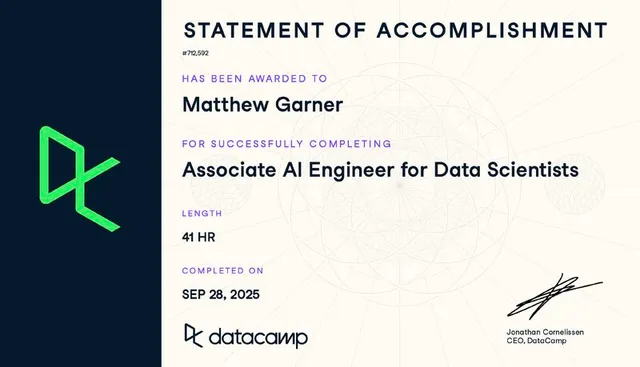
AI Engineer for Data Scientists Associate Certification
Associate certification validating practical AI engineering capabilities for data scientists, including governance and production development.
Data and Programming Foundations for AI
Skill path covering Python, data literacy, statistics, and exploratory analysis foundations for future ML/AI engineers.
Machine Learning/AI Engineer
Career path for end-to-end machine learning engineering, including model development, pipelines, and portfolio projects.
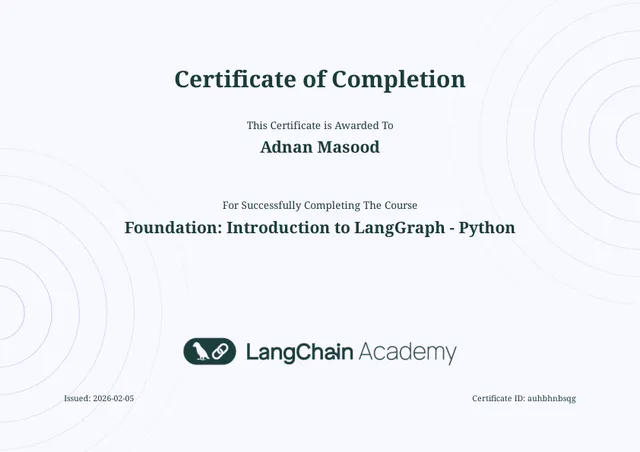
Foundation: Introduction to LangChain - Python
Foundational course for building AI agents with LangChain and integrating observability with LangSmith.
Fundamentals of Accelerated Computing with CUDA Python
Accelerate Python applications using CUDA. Learn GPU programming fundamentals for massive parallel computing workloads.
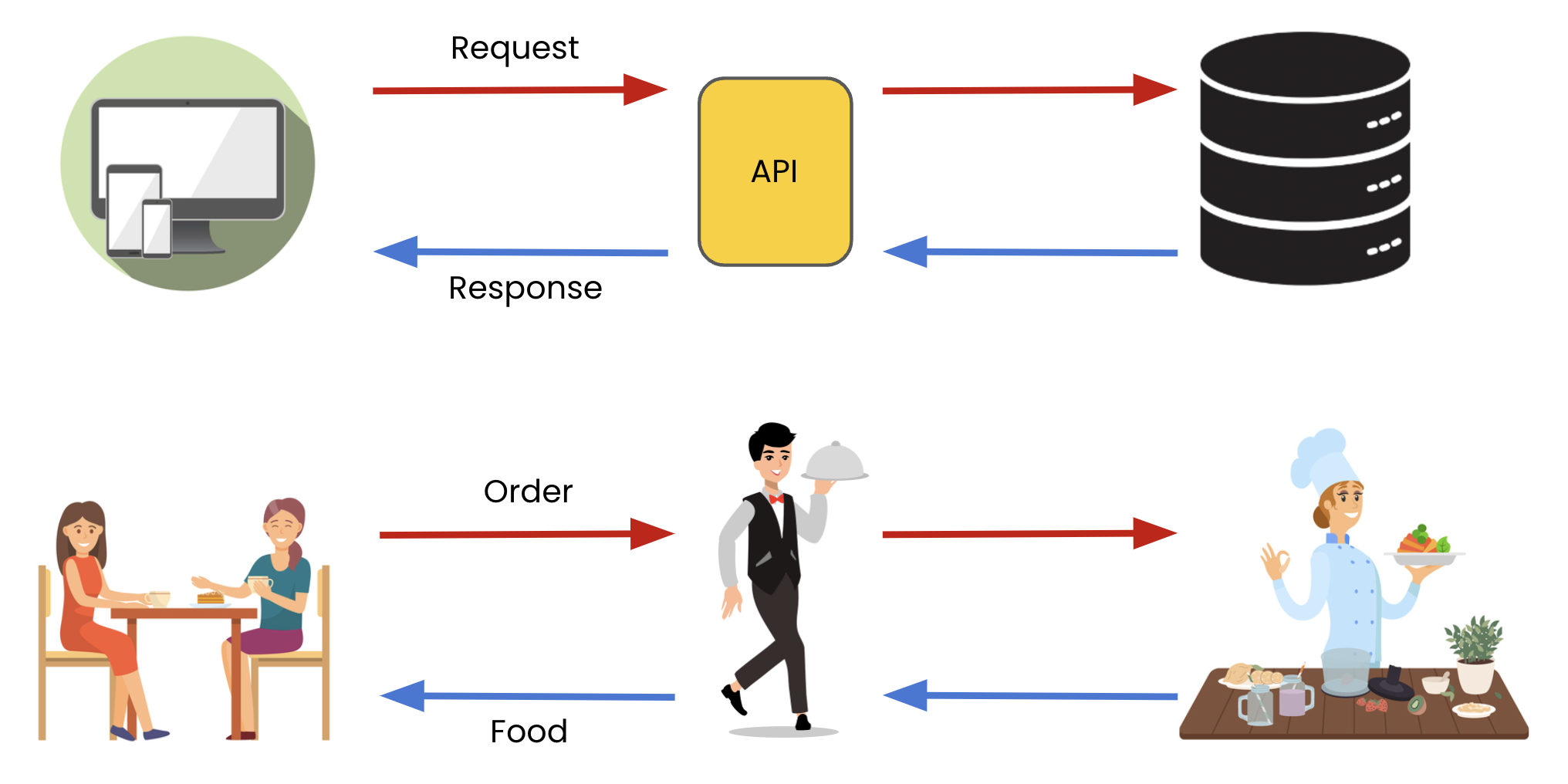
Working with the OpenAI API
Build applications using the OpenAI API. Learn to integrate GPT models, embeddings, and function calling into Python applications.
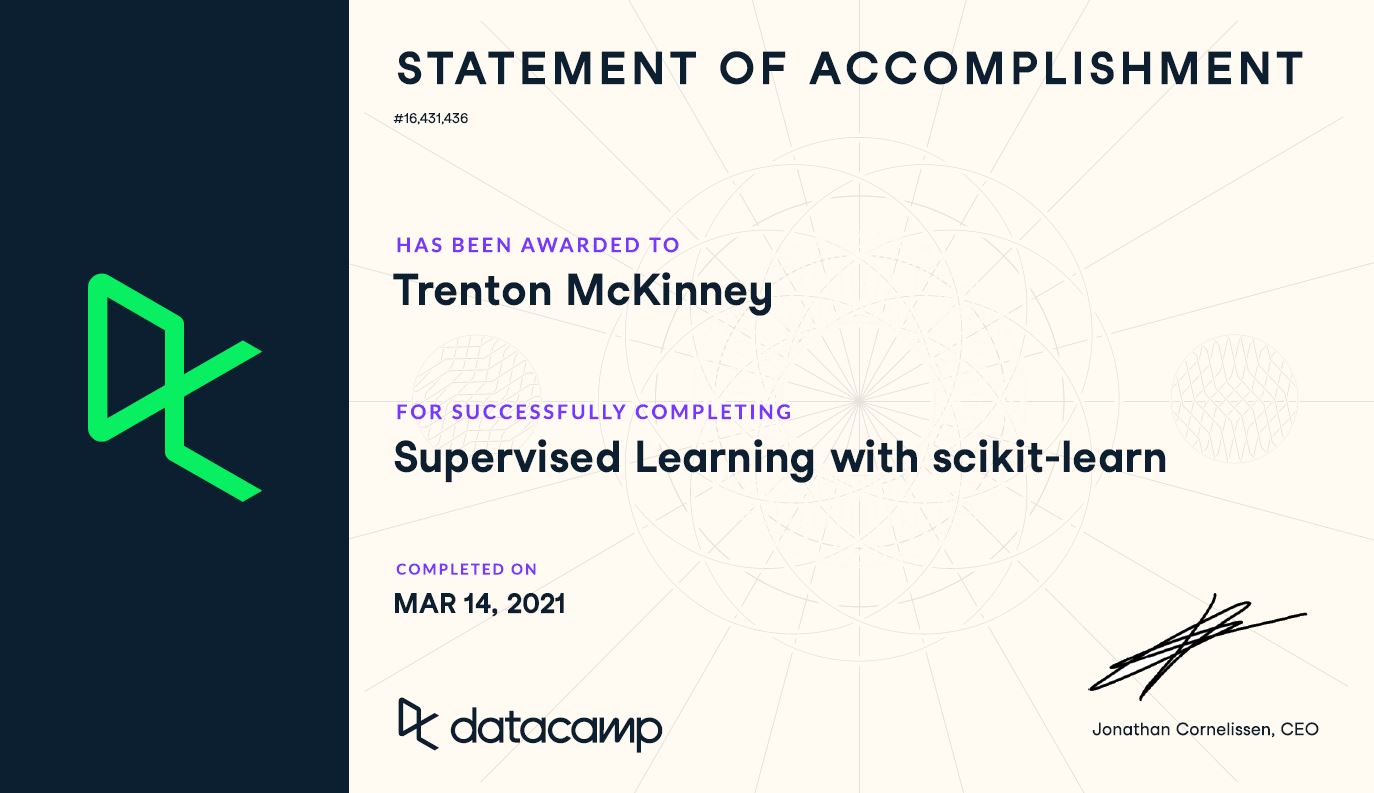
Supervised Learning with scikit-learn
Hands-on supervised learning with scikit-learn. Build classification and regression models, tune hyperparameters, and evaluate performance.
Data Manipulation with pandas
Master data manipulation with pandas. Learn to transform, aggregate, merge, and analyze data using Python's most popular data library.
Introduction to Deep Learning with PyTorch
Build deep learning models with PyTorch. Cover neural network fundamentals, training loops, CNNs, and sequence models.
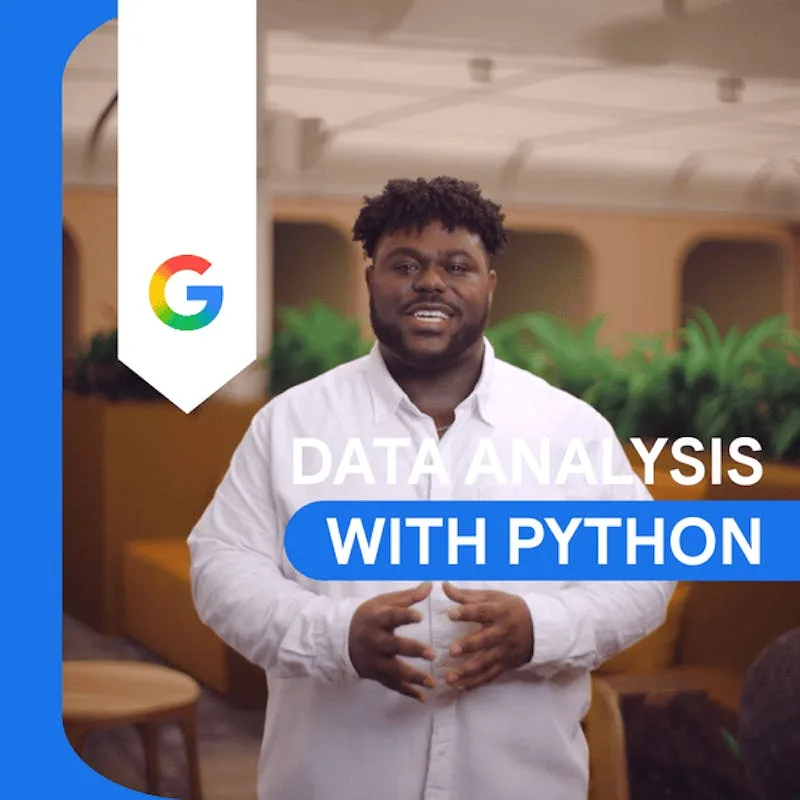
Google Data Analysis with Python
In today's data-driven world, Python is an essential tool for unlocking insights. This Specialization will guide you from a Python beginner to someone who can confidently apply Python to solve complex data problems. You'll gain hands-on experience with core Python syntax, data structures, and essential libraries like NumPy and pandas. Google experts will guide you through this Specialization by providing hands-on activities that simulate relevant tasks, sharing examples from their day-to-day work, and helping you enhance your data analytics skills to prepare for your career. You will learn to: Frame analysis problems using structured thinking and SMART questions Write efficient Python code in Jupyter Notebooks, mastering variables, functions, and data structures Manipulate and analyze datasets with pandas and NumPy, learning to filter, group, and aggregate data Clean and prepare real-world data, handling missing values and validating data quality Summarize and interpret data using descriptive statistics to support business decisions By the time you're finished, you'll be able to confidently apply Python to solve complex data problems and communicate your findings to stakeholders.
Machine Learning for Trading
This 3-course Specialization from Google Cloud and New York Institute of Finance (NYIF) is for finance professionals, including but not limited to hedge fund traders, analysts, day traders, those involved in investment management or portfolio management, and anyone interested in gaining greater knowledge of how to construct effective trading strategies using Machine Learning (ML) and Python. Alternatively, this program can be for Machine Learning professionals who seek to apply their craft to quantitative trading strategies. By the end of the Specialization, you'll understand how to use the capabilities of Google Cloud to develop and deploy serverless, scalable, deep learning, and reinforcement learning models to create trading strategies that can update and train themselves. As a challenge, you're invited to apply the concepts of Reinforcement Learning to use cases in Trading. This program is intended for those who have an understanding of the foundations of Machine Learning at an intermediate level. To successfully complete the exercises within the program, you should have advanced competency in Python programming and familiarity with pertinent libraries for Machine Learning, such as Scikit-Learn, StatsModels, and Pandas; a solid background in ML and statistics (including regression, classification, and basic statistical concepts) and basic knowledge of financial markets (equities, bonds, derivatives, market structure, and hedging). Experience with SQL is recommended.

Automate Cybersecurity Tasks with Python
This is the seventh course in the Google Cybersecurity Certificate. In this course, learners will be introduced to the Python programming language and learn how to apply it to a security setting to automate tasks. First, learners will focus on key foundational Python programming concepts, including data types, variables, conditional statements and iterative statements. Next, they will learn to work effectively with Python by developing functions, using libraries and modules, and making their code readable. Following this, they will explore working with string and list data. A final component of learning to automate tasks through Python will be an exploration of how to import and parse files, and then the course will conclude with a focus on debugging. By the end of this course, you will: - Explain how the Python programming language is used in cybersecurity. - Write conditional and iterative statements in Python. - Create new, user-defined Python functions. - Use Python to work with strings and lists. - Use regular expressions to extract information from text. - Use Python to open and read the contents of a file. - Identify best practices to improve code readability. - Practice debugging code.

Data Structures in Python
In this course, you’ll explore data structures in Python, which are methods of storing and organizing data in a computer. You’ll focus on data structures that are among the most useful for data professionals: lists, tuples, dictionaries, sets, and arrays. You’ll also discover how to categorize data using data loading, cleaning, and binning. Lastly, you’ll learn about two of the most widely used and important Python tools for advanced data analysis: NumPy and pandas. By the end of this course, you will be able to: • Explain how to manipulate dataframes using techniques such as selecting and indexing, boolean masking, grouping and aggregating, and merging and joining • Describe the main features and methods of core pandas data structures such as dataframes • Describe the main features and methods of core NumPy data structures such as arrays and series • Define Python tools such as libraries, packages, modules, and global variables • Describe the main features and methods of built-in Python data structures such as lists, tuples, dictionaries, and sets

Deploying a Python Flask Web Application to App Engine Flexible
This is a self-paced lab that takes place in the Google Cloud console. In this lab, you will learn how to use App Engine Flexible with Python’s Flask framework. You’ll deploy a web application that allows users to upload photos of people’s faces and do simple facial recognition with the Cloud Vision API.
Data Analytics Professional Certificate
Professional certificate for end-to-end analytics with statistics, SQL, Python, visualization, and AI-assisted workflows.
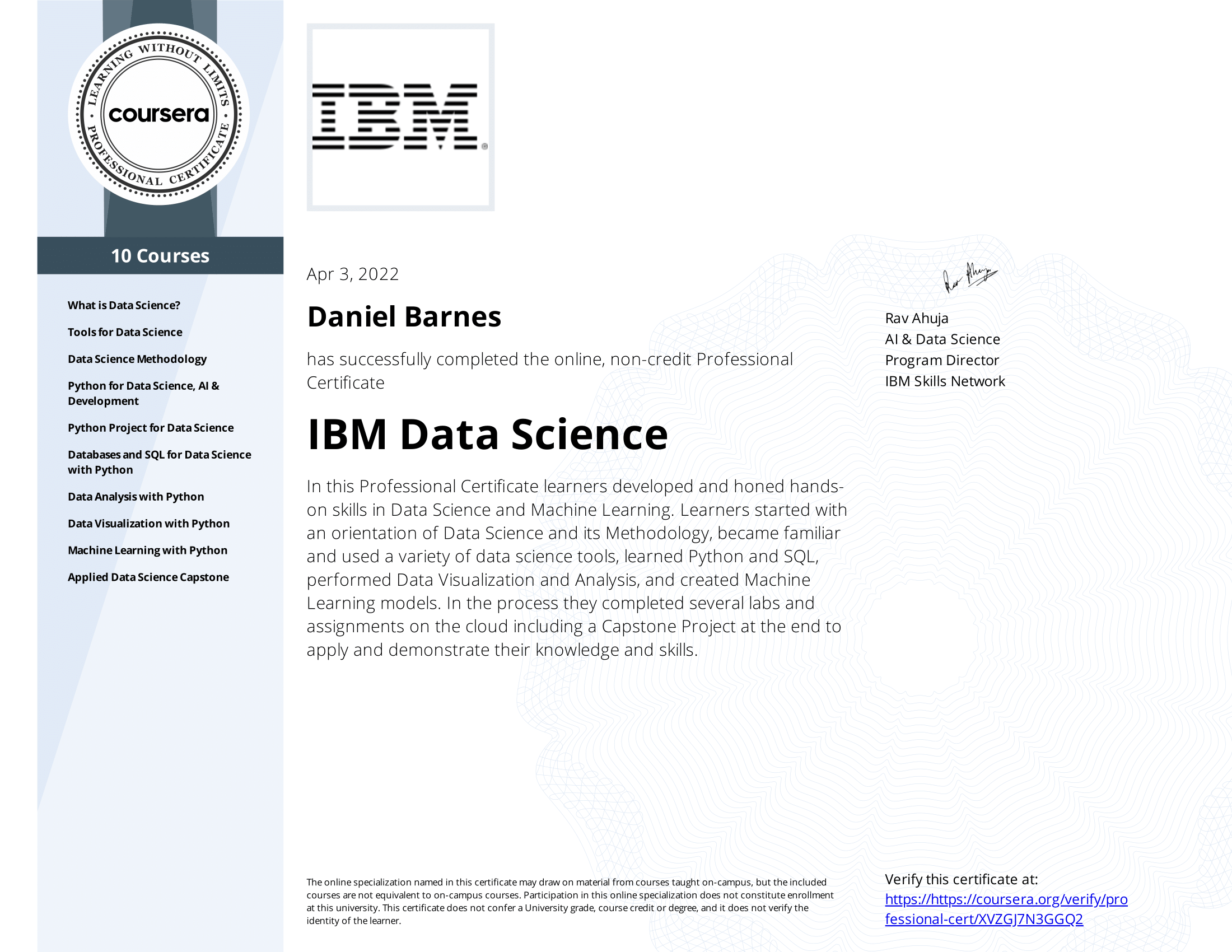
IBM Data Science Professional Certificate
Comprehensive data science program by IBM. Learn Python, SQL, data analysis, machine learning, and data visualization.
+ 60 more courses available
Pro Tips for Learning Python
- #1Start with beginner-friendly courses like 'Data and Programming Foundations for AI' on Codecademy to build a solid base.
- #2Practice coding regularly to reinforce concepts learned in courses and improve problem-solving skills.
- #3Engage in projects that utilize Python to apply your knowledge and gain practical experience.
- #4Explore related skills like machine learning after mastering Python to expand your expertise.
Why Learn Python?
- Learning Python opens up career opportunities in data science and AI, fields that are rapidly growing.
- Python skills are in high demand, making professionals more competitive in the job market.
- Python's versatility allows for applications in various domains, from web development to automation.
- Mastering Python can lead to advanced roles such as AI engineer or data analyst.