
Learn Data Analysis
26 expert-rated courses covering Data Analysis. Compared by rating, price, difficulty, and job relevance so you can pick the right one.
The SkillsetCourse catalog offers a comprehensive approach to learning Data Analysis, featuring courses from platforms like DataCamp, Coursera, and LinkedIn Learning. Out of the 29 courses, 22 provide certificates, and there are 3 free options available. Related skills, such as Python and Pandas, enhance the learning experience and applicability of Data Analysis.
Catalog analysis updated . Ratings are independent editorial scores. Read the rating methodology.
Key Facts About Data Analysis
- 1Data Analysis is essential for making data-driven decisions in various industries.
- 2SkillsetCourse offers 29 courses on Data Analysis from multiple reputable platforms.
- 322 courses provide certificates upon completion, enhancing career prospects.
- 4Three free courses allow learners to explore Data Analysis without financial commitment.
- 5Related skills like Python and Visualization complement Data Analysis training.
Available on
Top Data Analysis Courses
Analytics In Healthcare Management And Administration
Apply data analytics and business intelligence to healthcare management and decision-making processes. This course teaches healthcare professionals to use data for performance improvement, financial analysis, and strategic planning. Master tools and techniques for measuring healthcare quality and operational efficiency.
Data Manipulation with pandas
Master data manipulation with pandas. Learn to transform, aggregate, merge, and analyze data using Python's most popular data library.

Creating Business Value with Data and Looker
This series of courses introduces data in the cloud and Looker to someone who would like to become a Looker Developer. It includes the background on how data is managed in the cloud and how it can be used to create value for an organization. You will then learn the skills you need as a Looker Developer to use the Looker Modeling Language (LookML) to empower your organization to conduct self-serve data exploration, analysis and visualization.
Google Data Analysis with Python
In today's data-driven world, Python is an essential tool for unlocking insights. This Specialization will guide you from a Python beginner to someone who can confidently apply Python to solve complex data problems. You'll gain hands-on experience with core Python syntax, data structures, and essential libraries like NumPy and pandas. Google experts will guide you through this Specialization by providing hands-on activities that simulate relevant tasks, sharing examples from their day-to-day work, and helping you enhance your data analytics skills to prepare for your career. You will learn to: Frame analysis problems using structured thinking and SMART questions Write efficient Python code in Jupyter Notebooks, mastering variables, functions, and data structures Manipulate and analyze datasets with pandas and NumPy, learning to filter, group, and aggregate data Clean and prepare real-world data, handling missing values and validating data quality Summarize and interpret data using descriptive statistics to support business decisions By the time you're finished, you'll be able to confidently apply Python to solve complex data problems and communicate your findings to stakeholders.

Data Structures in Python
In this course, you’ll explore data structures in Python, which are methods of storing and organizing data in a computer. You’ll focus on data structures that are among the most useful for data professionals: lists, tuples, dictionaries, sets, and arrays. You’ll also discover how to categorize data using data loading, cleaning, and binning. Lastly, you’ll learn about two of the most widely used and important Python tools for advanced data analysis: NumPy and pandas. By the end of this course, you will be able to: • Explain how to manipulate dataframes using techniques such as selecting and indexing, boolean masking, grouping and aggregating, and merging and joining • Describe the main features and methods of core pandas data structures such as dataframes • Describe the main features and methods of core NumPy data structures such as arrays and series • Define Python tools such as libraries, packages, modules, and global variables • Describe the main features and methods of built-in Python data structures such as lists, tuples, dictionaries, and sets
Introduction to SQL for Healthcare Data
Learn SQL fundamentals applied to healthcare and clinical data management. Query databases, filter records, and generate reports.
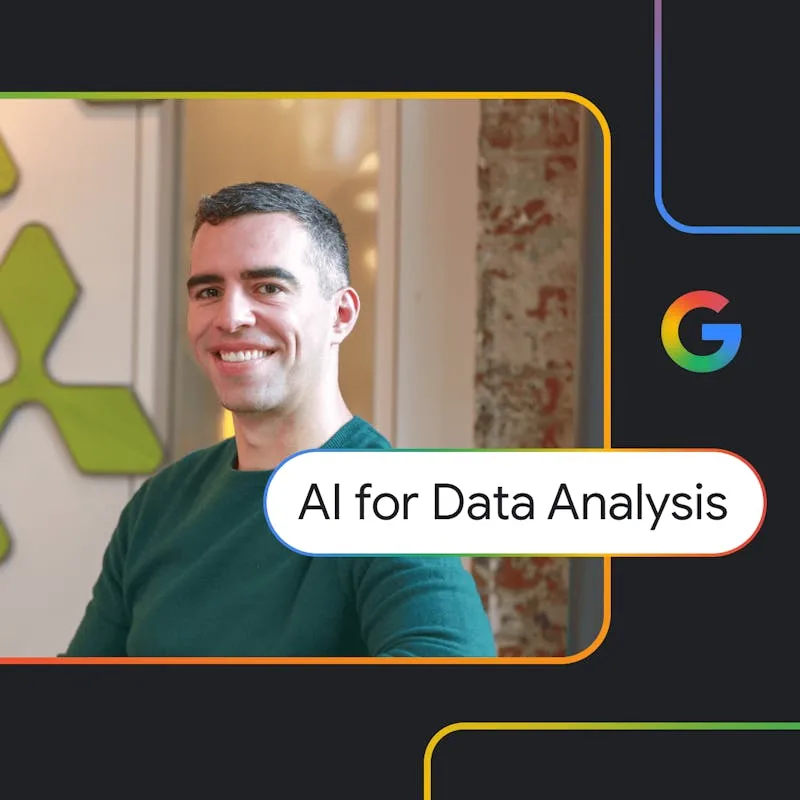
AI for Data Analysis
Are the answers you need buried in a dataset you can't decipher? In this course, you’ll learn to use AI as your analytical partner to transform unstructured data into clear, actionable insights. You’ll use Gemini to identify the right success metrics for any project and practice converting messy, raw data into structured tables. You'll use everyday language to generate powerful spreadsheet formulas and create compelling charts in Google Sheets—empowering you to make smarter, data-driven decisions. By the end of this course, you will create: • Success metrics you can stand by: Use Gemini to define exactly what to measure for your project so you can present your results with confidence. • A structured dataset: Clean and organize messy information into a structured Google Sheets table that is ready for immediate analysis. • Data visualizations and formulas: Use natural language to generate spreadsheet functions and create charts that visualize your findings to drive evidence-based decisions. • Business performance simulator: Use Gemini Canvas to transform static data into an interactive tool, so you can "test-drive" changes and visualize their ripple effects in real time.
Python for Applied Data Science & AI
Master Python programming for data science and AI applications with practical examples and projects. Learn essential libraries like NumPy, pandas, and scikit-learn for data manipulation and analysis. Perfect foundation for anyone entering the data science or AI field.

Integrate Generative AI Into Your Data Workflow
Designed for data professionals, this learning path provides a guide on leveraging BigQuery Machine Learning and Gemini models for advanced data analysis and predictive modeling. You will move beyond theory into practice, learning how to use AI for efficient code generation, troubleshooting, and workflow optimization directly within the Google Cloud console. By the end of this path, you will have applied these concepts in hands-on labs to build, evaluate, and deploy machine learning models that solve real-world business problems.
Analyze BigQuery Usage with Log Analytics
This is a self-paced lab that takes place in the Google Cloud console. Use Log Analytics for in-depth usage logs analysis through SQL querires from the Cloud Logging page.
Analyzing Billing Data with BigQuery
This is a self-paced lab that takes place in the Google Cloud console. In this lab you will create datasets and tables, import data from billing reports, and conduct a variety of queries on the data using BigQuery.
BigQuery Soccer Data Analysis
This is a self-paced lab that takes place in the Google Cloud console. Learn the fundamentals of writing and executing queries to query soccer data stored in BigQuery tables. In this lab you will learn more fundamentals of sports data science by writing and executing queries to query data stored in BigQuery tables. The emphasis of the lab is to illustrate how the database works and answer some interesting questions related to the following topics in soccer.
BigQuery Soccer Data Analytical Insight
This is a self-paced lab that takes place in the Google Cloud console. Learn how to create deeper analytical insights from soccer event data using BigQuery. BigQuery can be used to perform more sophisticated data analysis. In this lab, you will analyze soccer event data to achieve real insight from the dataset.
Data Science and Machine Learning with Python
By the end of this class, you will not only have a solid understanding of data science and analytics but also be able to quickly learn new libraries and tools.
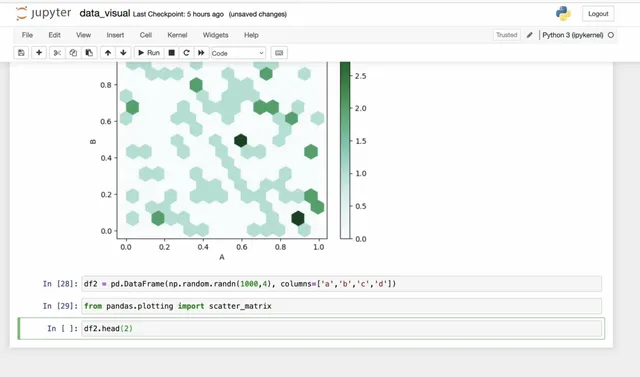
Pandas for Data Analysis: Master Data Handling in Python
This course covers everything from setting up your working environment with Anaconda and Jupyter Notebook to mastering the core features of Pandas.
Excel to Python: A Data Science Crash Course
Introduction: Do you do data science with Excel and then Python? And welcome to a Skillshare crash course where you will learn the fundamentals of Python for ...
Data Visualization with Matplotlib: From Basics to Advanced ...
In this course, you'll master data visualization using Matplotlib, one of the most powerful libraries in Python.
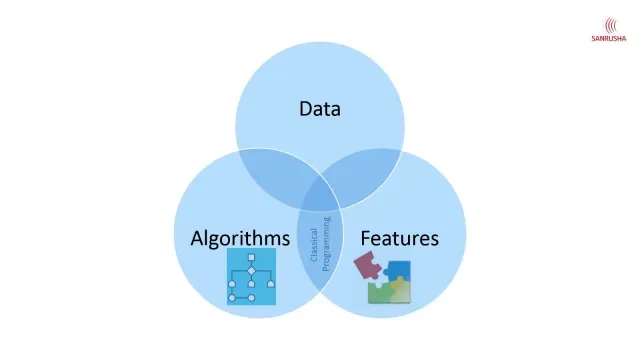
Machine Learning with Python and Scikit-learn for absolute beginners
This course covers how to build Machine Learning models from scratch using Python and Scikit-learn libraries. Course structure is captured below.
Python For Beginners: Master the Essential Basics of Python
By learning Python, you're preparing yourself for a future in: Data Science and Analytics: Process, analyze, and visualize data to make smarter decisions.
The No-Code Data Science Masterclass for Business Analysts ...
We will cover the expectations, steps, and vocabulary needed to make data-driven decisions. This class is tool-agnostic and can be applied in multiple contexts ...
+ 6 more courses available
Pro Tips for Learning Data Analysis
- #1Start with 'Data Manipulation with pandas' to build foundational skills in Data Analysis.
- #2Practice data visualization techniques to effectively communicate your findings.
- #3Engage with online communities or forums to enhance your learning experience.
- #4Utilize free courses to explore different aspects of Data Analysis before committing to paid options.
Why Learn Data Analysis?
- Learning Data Analysis can significantly enhance your employability in data-centric roles.
- Data Analysis skills are crucial for making informed business decisions and strategies.
- Professionals in marketing and finance benefit greatly from Data Analysis expertise.
- Understanding Data Analysis can lead to advancements in roles such as Data Scientist or Analyst.
AI Tools for Data Analysis
Apply your Data Analysis skills with these recommended tools: