
Learn SQL
16 expert-rated courses covering SQL. Compared by rating, price, difficulty, and job relevance so you can pick the right one.
The SkillsetCourse catalog indicates a robust selection of SQL courses with a total of 16 available options. These courses are offered on platforms such as IBM Skills Network and Coursera, with all courses awarding certificates. Additionally, there is one free option, making SQL accessible for learners interested in data analytics and related skills like Google Cloud and BigQuery.
Catalog analysis updated . Ratings are independent editorial scores. Read the rating methodology.
Key Facts About SQL
- 1SQL is the standard language for relational database management and data manipulation.
- 2It enables users to query, insert, update, and delete data efficiently.
- 3SQL skills are crucial for roles in data analysis, data science, and database management.
- 4Courses like 'Google Data Analytics Professional Certificate' include SQL training.
- 5Learning SQL can significantly enhance data-driven decision-making capabilities.
Available on
Top SQL Courses

BigQuery Fundamentals for Redshift Professionals
This course covers BigQuery fundamentals for professionals who are familiar with SQL-based cloud data warehouses in Redshift and want to begin working in BigQuery. Through interactive lecture content and hands-on labs, you learn how to provision resources, create and share data assets, ingest data, and optimize query performance in BigQuery. Drawing upon your knowledge of Redshift, you also learn about similarities and differences between Redshift and BigQuery to help you get started with data warehouses in BigQuery.

Build and Execute MySQL, PostgreSQL, and SQLServer to Data Catalog Connectors
This is a self-paced lab that takes place in the Google Cloud console. In this lab you will explore existing datasets with Data Catalog and mine the table and column metadata for insights.

Creating dynamic SQL derived tables with LookML and Liquid
This is a Google Cloud Self-Paced Lab. In this lab you will learn how to create and update SQL derived tables to generate dynamic values.
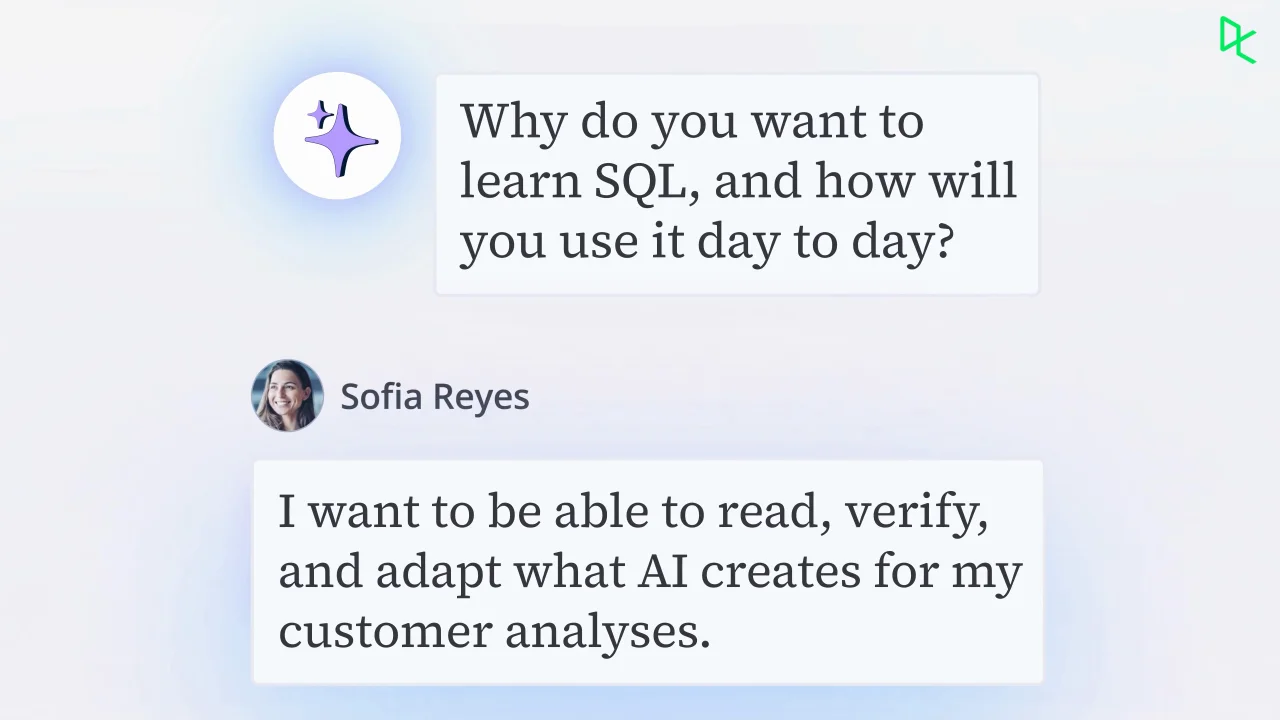
Introduction to SQL for Healthcare Data
Learn SQL fundamentals applied to healthcare and clinical data management. Query databases, filter records, and generate reports.
Data Analytics Professional Certificate
Professional certificate for end-to-end analytics with statistics, SQL, Python, visualization, and AI-assisted workflows.
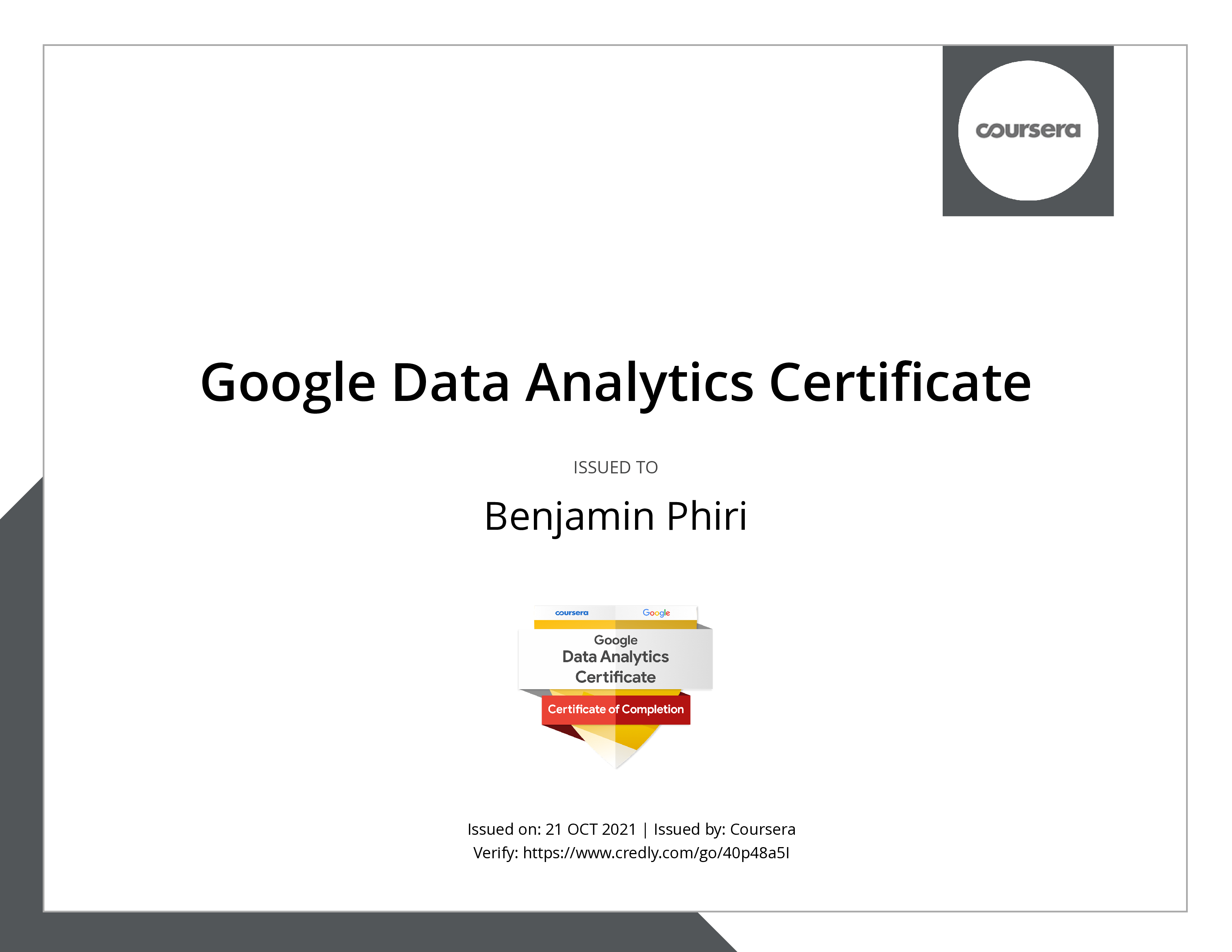
Google Data Analytics Professional Certificate
Prepare for a career in data analytics. Learn to clean, analyze, and visualize data using spreadsheets, SQL, R, and Tableau.
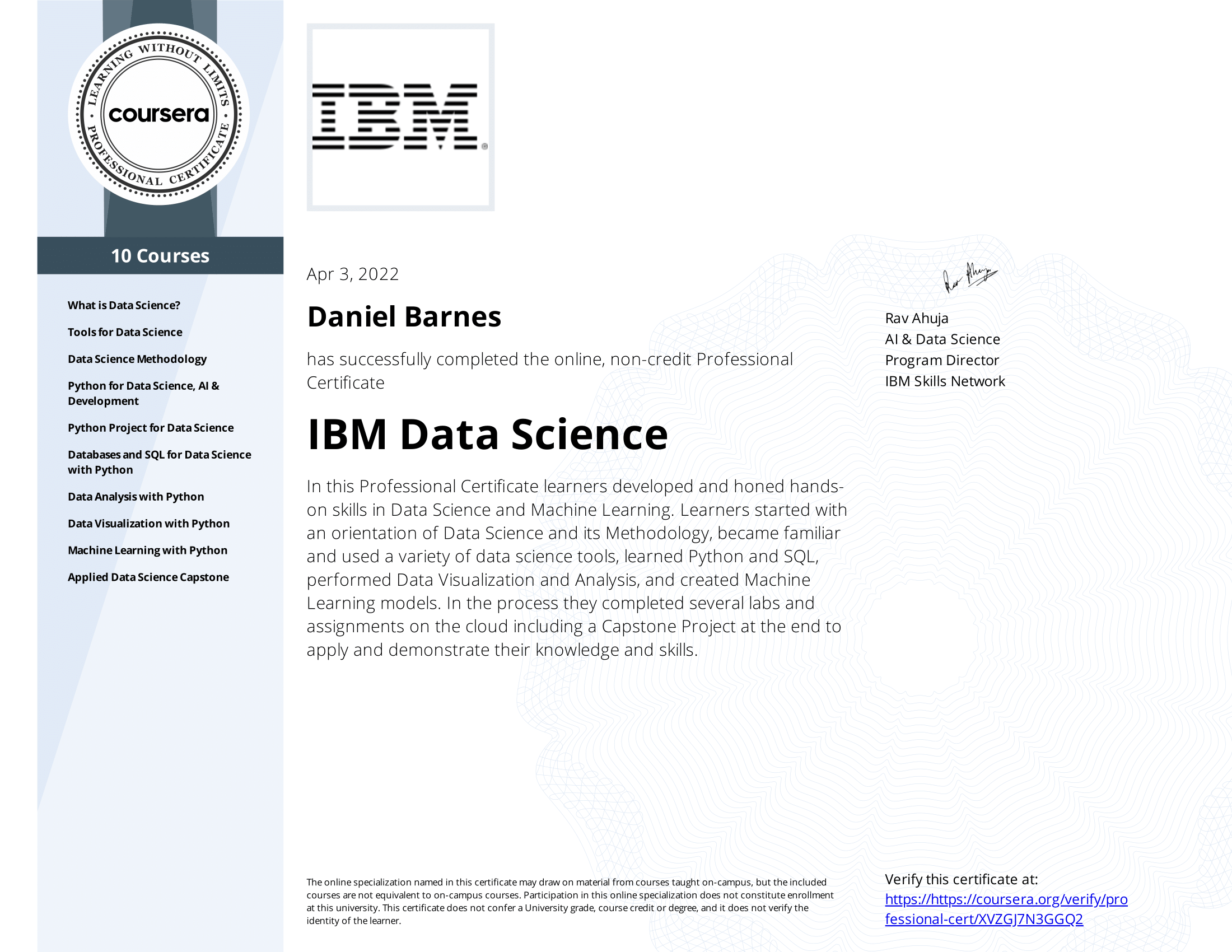
IBM Data Science Professional Certificate
Comprehensive data science program by IBM. Learn Python, SQL, data analysis, machine learning, and data visualization.

Analyze BigQuery Usage with Log Analytics
This is a self-paced lab that takes place in the Google Cloud console. Use Log Analytics for in-depth usage logs analysis through SQL querires from the Cloud Logging page.

Analyzing Billing Data with BigQuery
This is a self-paced lab that takes place in the Google Cloud console. In this lab you will create datasets and tables, import data from billing reports, and conduct a variety of queries on the data using BigQuery.

BigQuery Soccer Data Analysis
This is a self-paced lab that takes place in the Google Cloud console. Learn the fundamentals of writing and executing queries to query soccer data stored in BigQuery tables. In this lab you will learn more fundamentals of sports data science by writing and executing queries to query data stored in BigQuery tables. The emphasis of the lab is to illustrate how the database works and answer some interesting questions related to the following topics in soccer.

BigQuery Soccer Data Analytical Insight
This is a self-paced lab that takes place in the Google Cloud console. Learn how to create deeper analytical insights from soccer event data using BigQuery. BigQuery can be used to perform more sophisticated data analysis. In this lab, you will analyze soccer event data to achieve real insight from the dataset.
SQL for Data Science
Learn SQL programming for data analysis and manipulation in data science workflows. Master database queries, joins, aggregations, and data wrangling techniques for extracting insights from relational databases.

Analyze Data to Answer Questions
This is the fifth course in the Google Data Analytics Certificate. In this course, you’ll explore what it means to actually analyze your data. You’ll take what you’ve learned up to this point and apply it to make sense of the data you’ve collected. You’ll learn how to organize and format your data using spreadsheets and SQL to help you look at and think about your data in different ways. You’ll also find out how to perform complex calculations with your data to address business objectives. You’ll learn how to use formulas, functions, and SQL queries as you conduct your analysis. Current Google data analysts will continue to instruct and provide you with hands-on ways to accomplish common data analyst tasks with the best tools and resources. Learners who complete this certificate program will be equipped to apply for introductory-level jobs as data analysts. No previous experience is necessary. By the end of this course, learners will: - Learn how to organize data for analysis. - Understand the processes for formatting and adjusting data. - Explore how to aggregate data in spreadsheets and by using SQL. - Use formulas and functions in spreadsheets to make data calculations. - Learn how to complete calculations using SQL queries.
Data Engineering Project: SQL, Python, Airflow, Docker, CI/CD
Become a Data Engineer by learning APIs, SQL, Python, Docker, Airflow, CI/CD, Functional/Data Quality Tests and more.
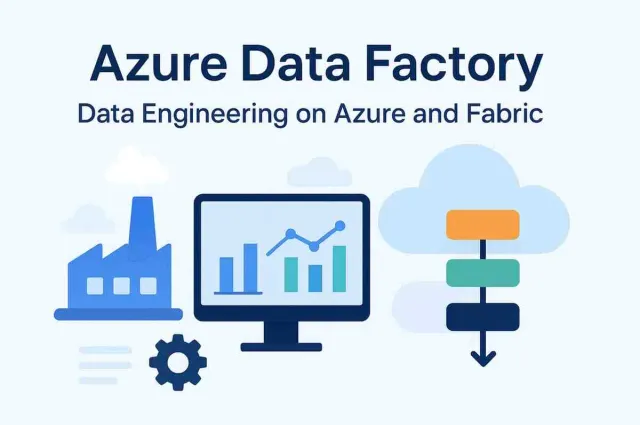
Azure Data Factory for Data Engineers
Real world project for Data Engineers using Azure Data Factory, SQL, Data Lake, Databricks, HDInsight, CI/CD.
Data Engineering for Beginners: Learn SQL, Python & Spark
Master SQL, Python, and Apache Spark (PySpark) with Hands-On Projects using Databricks on Google Cloud.
Pro Tips for Learning SQL
- #1Start with the 'Data Analytics Professional Certificate' to build a strong SQL foundation.
- #2Practice SQL queries using platforms like DataCamp to reinforce your learning.
- #3Engage in projects that require data analysis to apply your SQL skills in real-world scenarios.
- #4Explore related skills such as Python and Google Cloud to complement your SQL knowledge.
Why Learn SQL?
- Learning SQL opens career opportunities in data analytics, a field with growing demand for skilled professionals.
- SQL is foundational for roles in data science, enhancing your analytical skills and employability.
- Mastering SQL allows you to work effectively with databases, a key requirement in many tech roles.
- SQL proficiency can lead to better data management and reporting capabilities in various industries.