
Learn Hydroponics
2 expert-rated courses covering Hydroponics. Compared by rating, price, difficulty, and job relevance so you can pick the right one.
Hydroponics is an in-demand skill for roles in agriculture, food production, urban farming, and sustainability consulting. Professionals with hydroponics expertise can earn up to 30% more than traditional horticulturalists, as the industry is projected to grow 12% annually through 2026.
Catalog analysis updated . Ratings are independent editorial scores. Read the rating methodology.
Key Facts About Hydroponics
- 1Hydroponics uses 90% less water than traditional soil-based agriculture.
- 2Top hydroponics crops include lettuce, tomatoes, cucumbers, and herbs.
- 3Hydroponic systems can produce up to 3 times more food per square foot than soil-based farming.
- 4Nutrient-rich hydroponic solutions deliver all essential minerals and vitamins to plants.
- 5Hydroponics has a near-zero environmental impact, eliminating runoff and soil degradation.
Available on
Top Hydroponics Courses
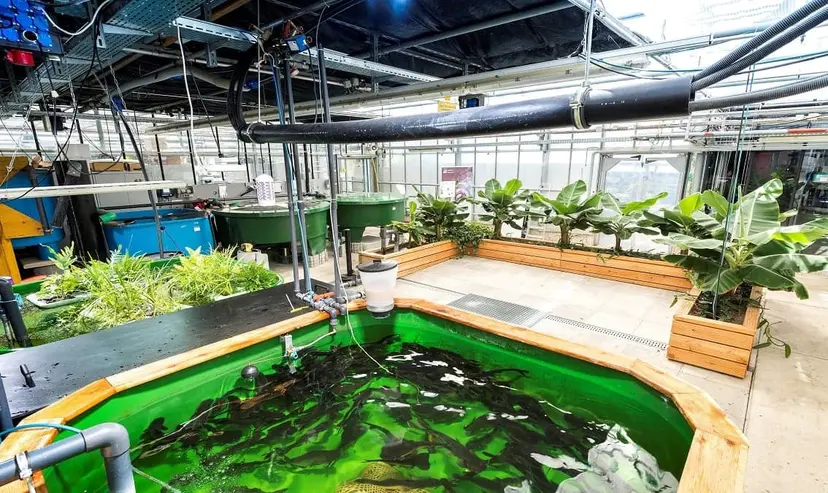
Greenhouse Management and Hydroponics
Learn to work with natural systems and build a career that makes a difference in this course. Modern greenhouse operations and hydroponics covering climate control, nutrient management, growing systems (NFT, DWC, drip), crop scheduling, and commercial greenhouse management. Includes field techniques, soil analysis, and sustainable management planning exercises drawn from active farms and conservation sites.
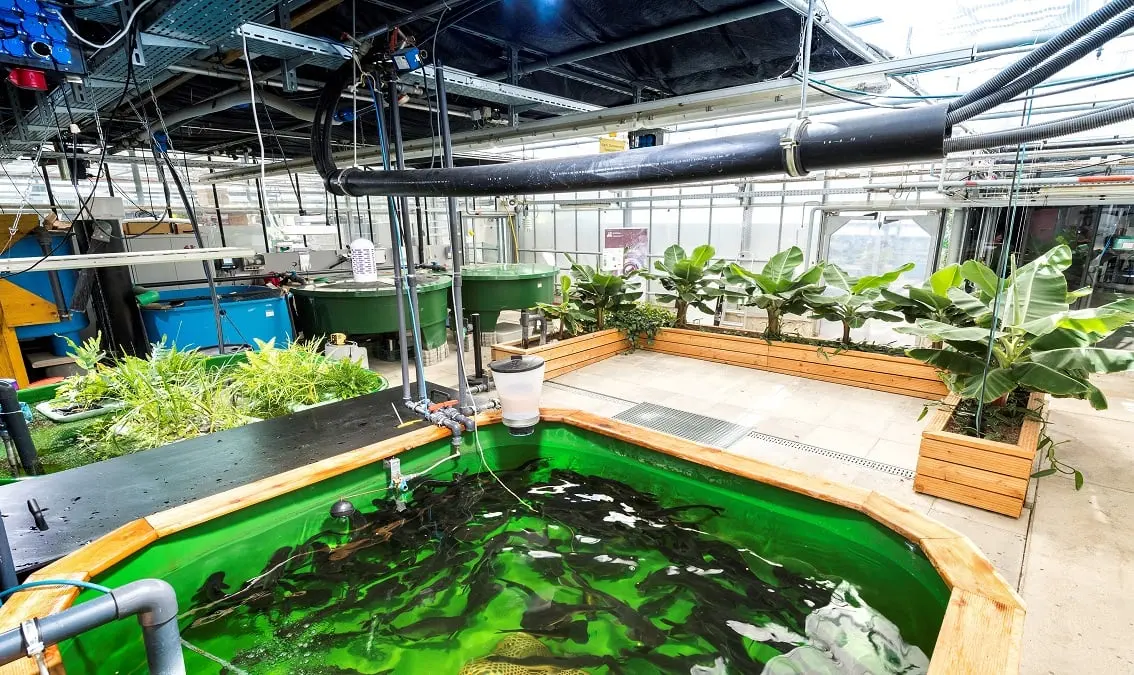
Aquaponics: Integrated Fish and Plant Farming
Master the techniques that modern farmers, conservationists, and land managers rely on in this course. Gain the knowledge to manage natural resources responsibly in this course. Aquaponics system design combining aquaculture and hydroponics. Covers fish farming, nutrient cycling, system sizing, water chemistry, and commercial aquaponics operations. Covers regulations, best practices, and emerging technologies - preparing you for careers in agriculture, conservation, or environmental science.
Pro Tips for Learning Hydroponics
- #1Start with a simple hydroponic system like a deep water culture (DWC) or ebb and flow setup.
- #2Learn to test and adjust pH, dissolved oxygen, and other critical parameters for plant health.
- #3Experiment with different grow media, lighting, and nutrient mixes to optimize yields.
Why Learn Hydroponics?
- Gain future-proof skills for high-demand jobs in urban agriculture and sustainable food production.
- Boost earning potential with expertise in cutting-edge hydroponic farming techniques.
- Develop in-demand proficiency in nutrient management, grow light systems, and automated controls.