
Learn Water Chemistry
2 expert-rated courses covering Water Chemistry. Compared by rating, price, difficulty, and job relevance so you can pick the right one.
Water Chemistry expertise is in high demand across industries like environmental engineering, wastewater treatment, and aquaculture. Professionals with this skill can earn 15-20% higher salaries and are more likely to be hired, as water quality regulations and sustainability initiatives drive rapid growth in this field. Complementary skills in data analysis, process optimization, and environmental science pair well with Water Chemistry knowledge.
Catalog analysis updated . Ratings are independent editorial scores. Read the rating methodology.
Key Facts About Water Chemistry
- 1Water Chemistry involves analyzing parameters like pH, dissolved oxygen, and mineral content to ensure water meets quality standards.
- 2Common water treatment processes include coagulation, disinfection, and filtration to remove contaminants and pathogens.
- 3Aquaculture facilities use Water Chemistry principles to optimize fish and plant growth by controlling nutrient levels and water conditions.
- 4Environmental scientists monitor Water Chemistry to track pollution, algal blooms, and other changes in aquatic ecosystems.
- 5Advanced Water Chemistry knowledge allows professionals to troubleshoot issues, improve efficiency, and develop new water treatment technologies.
Top Water Chemistry Courses

Pool and Spa Maintenance Professional
Master the hands-on skills that power America's infrastructure in this practical, project-driven course. Pool and spa maintenance covering water chemistry, equipment operation, pump and filter service, heater troubleshooting, and CPO certification preparation. Designed to prepare you for licensing exams and immediate employment - with the practical skills that set journeymen apart from apprentices.
Aquaponics: Integrated Fish and Plant Farming
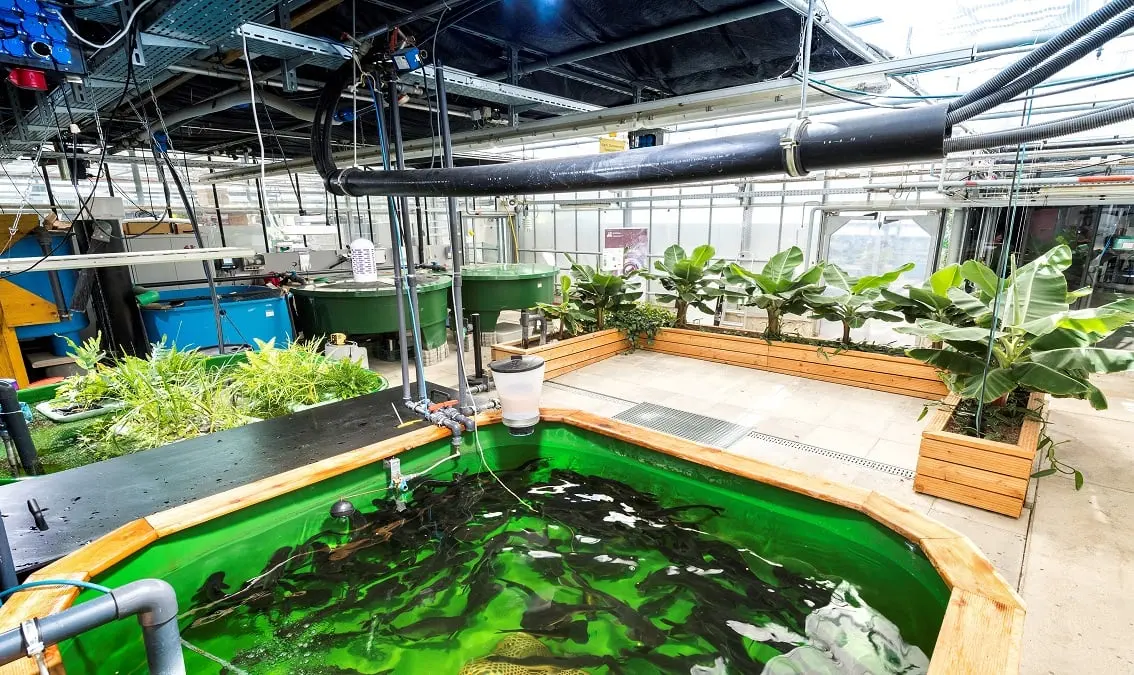
Master the techniques that modern farmers, conservationists, and land managers rely on in this course. Gain the knowledge to manage natural resources responsibly in this course. Aquaponics system design combining aquaculture and hydroponics. Covers fish farming, nutrient cycling, system sizing, water chemistry, and commercial aquaponics operations. Covers regulations, best practices, and emerging technologies - preparing you for careers in agriculture, conservation, or environmental science.
Pro Tips for Learning Water Chemistry
- #1Focus on mastering core Water Chemistry concepts like pH, hardness, and dissolved oxygen before exploring specialized applications
- #2Gain hands-on experience through internships, lab work, or projects that allow you to apply Water Chemistry principles
- #3Obtain industry-recognized certifications to demonstrate your expertise and enhance your career opportunities
- #4Stay up-to-date on the latest water treatment technologies, regulations, and sustainability best practices
Why Learn Water Chemistry?
- Gain in-demand skills for careers in water treatment, environmental management, and sustainable aquaculture
- Earn higher salaries and stand out in the job market as water quality regulations and sustainability initiatives drive rapid growth
- Develop expertise to help solve critical global challenges around clean water access and environmental protection
- Acquire a versatile skillset that can be applied across diverse industries like engineering, agriculture, and conservation