
All Skills
Skill
Learn Fish Farming
1 expert-rated courses covering Fish Farming. Compared by rating, price, difficulty, and job relevance so you can pick the right one.
Fish Farming skills are highly valuable for roles in commercial aquaculture, environmental conservation, food security, and agricultural technology. Global fish farming is a $274 billion industry expected to grow 5% annually through 2026. Key complementary skills include water chemistry, aquatic biology, and sustainable resource management.
Fish Farming is the controlled cultivation of aquatic organisms such as fish, crustaceans, molluscs, and aquatic plants. In 2026, as global population grows and wild fisheries decline, demand for sustainable, high-yield fish production will spike. SkillsetCourse.com offers 1 expertly-rated course to teach the technical, business, and environmental aspects of commercial aquaculture.
1
Courses
8.1/10
Avg Rating
0
Free Options
1
With Certificate
Catalog analysis updated . Ratings are independent editorial scores. Read the rating methodology.
Key Facts About Fish Farming
- 1Fish Farming is the fastest-growing sector of global food production, accounting for over 50% of all fish consumed worldwide.
- 2Modern aquaculture techniques can produce up to 15 times more fish per acre than traditional wild fishing.
- 3Major farmed fish species include tilapia, salmon, catfish, carp, and shrimp, which collectively make up over 70% of global aquaculture production.
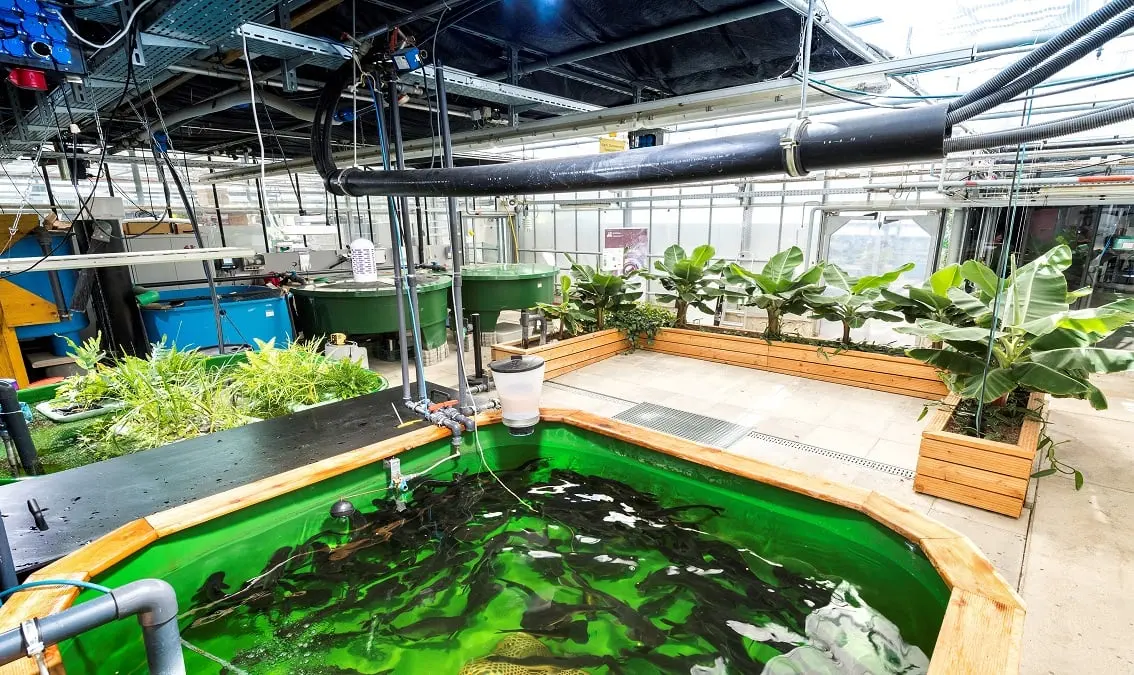
- 4Aquaponics - the integration of aquaculture and hydroponics - is a highly efficient, low-waste Fish Farming method gaining popularity.
- 5Precise water quality monitoring, feeding regimes, and disease prevention are critical skills for successful commercial fish farm operations.
Available on
Top Fish Farming Courses
Pro Tips for Learning Fish Farming
- #1Seek hands-on training at an aquaculture research station or fish farm to supplement online coursework.
- #2Master water quality testing and regulatory compliance to ensure fish health and environmental sustainability.
- #3Develop business acumen in areas like market analysis, supply chain logistics, and financial modeling.
- #4Build complementary skills in fields like marine biology, food science, and agricultural engineering.
Why Learn Fish Farming?
- Gain in-demand skills for a rapidly growing, high-impact industry addressing global food security and sustainability challenges.
- Qualify for technical roles in aquaculture production, fish hatcheries, and environmental conservation agencies.
- Develop expertise to start your own small-scale or commercial fish farm business.
- Learn systems-level thinking to integrate fish production with complementary agricultural operations like hydroponics.
Frequently Asked Questions
How to learn Fish Farming for free?▾
While SkillsetCourse.com does not currently offer free Fish Farming courses, many excellent introductory resources are available online from universities, government agencies, and industry associations at no cost.
Best Fish Farming courses for beginners?▾
The top-rated Fish Farming course on SkillsetCourse.com is "Aquaponics: Integrated Fish and Plant Farming" from Wageningen University, which covers essential techniques and technologies for small-scale and commercial aquaculture operations.
Is Fish Farming hard to learn?▾
Fish Farming requires a diverse skillset spanning aquatic biology, water chemistry, equipment maintenance, and business operations. However, with the right training and hands-on experience, the core technical competencies can be mastered within 6-12 months.
How long to learn Fish Farming?▾
The timeline to become proficient in Fish Farming depends on your prior experience, but a typical path involves 40-80 hours of coursework plus 6-12 months of on-site apprenticeship or internship to develop practical skills.
Fish Farming salary 2026?▾
According to industry forecasts, the average salary for an experienced Fish Farming specialist in the United States will reach $68,000 per year by 2026, a 12% increase from current levels, as demand outpaces supply for this critical food production skill.
What are the requirements to start a fish farm?▾
Key requirements to start a successful fish farm include access to a reliable water source, suitable land or facilities, specialized equipment, regulatory compliance, and technical expertise in water quality, fish biology, and farm operations. A comprehensive business plan is also essential to secure financing and ensure long-term viability.