
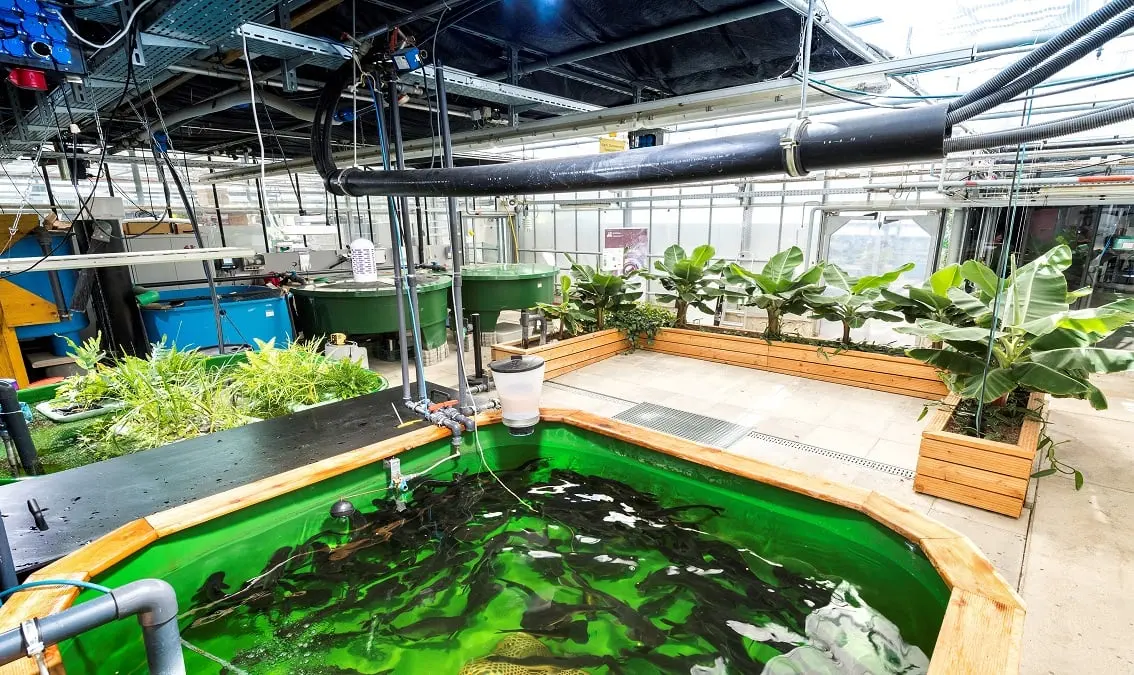
Aquaponics: Integrated Fish and Plant Farming
edX · Wageningen University · Updated
AI Tutor Rating
8.1/10
Duration
6 weeks, 4 hours/week
Classes
30
Master the techniques that modern farmers, conservationists, and land managers rely on in this course. Gain the knowledge to manage natural resources responsibly in this course. Aquaponics system design combining aquaculture and hydroponics. Covers fish farming, nutrient cycling, system sizing, water chemistry, and commercial aquaponics operations. Covers regulations, best practices, and emerging technologies - preparing you for careers in agriculture, conservation, or environmental science.
Aquaponics: Integrated Fish and Plant Farming on edX, developed by Wageningen University, is a six-week course that teaches learners how to design, build, and manage systems that combine aquaculture and hydroponics into a single closed-loop operation. The curriculum spans fish health, water chemistry, nutrient cycling, system sizing, and commercial-scale production. It also touches on greenhouse management, irrigation, and sustainable farming practices, making it relevant for aspiring farmers, conservationists, and environmental professionals who want practical, science-backed knowledge without needing prior agricultural experience.
What you'll learn in Aquaponics: Integrated Fish and Plant Farming
Our Review of Aquaponics: Integrated Fish and Plant Farming
Aquaponics: Integrated Fish and Plant Farming is structured across six weeks and 30 lectures, a pacing that allows Wageningen University to move learners from foundational concepts through to commercially oriented application without overwhelming beginners. The curriculum opens with core aquaponics principles before advancing into fish health management, water chemistry in closed-loop systems, and finally commercial scaling, which is a logical progression that mirrors real-world system development. The capstone-style chapter, "Putting It All Together," signals that the course is designed to leave learners with an integrated mental model rather than a collection of isolated facts.
The depth of coverage is notable for an introductory-to-intermediate offering. Learners work through water chemistry, nutrient cycling, and system sizing, topics that require analytical thinking rather than simple memorization. The inclusion of integrated pest management (IPM), greenhouse operations, and controlled-environment growing broadens the course beyond pure aquaponics, which adds versatility but also means no single topic receives exhaustive treatment. Learners who want to specialize deeply in, say, commercial aquaculture regulation will likely need supplementary resources after completing this course.
At $149 with a certificate included, Aquaponics: Integrated Fish and Plant Farming sits at a reasonable price point for a Wageningen University-backed credential on edX. Wageningen is widely recognized in agricultural and environmental science circles, so the institutional association carries genuine signal for a resume or LinkedIn profile. The certificate, combined with the commercial-scale outcomes listed, makes this course a credible first step for someone preparing to enter sustainable agriculture, environmental consulting, or agri-business roles, provided they follow through with hands-on practice after completing the coursework.
Pros and cons of Aquaponics: Integrated Fish and Plant Farming
Pros
- Developed by Wageningen University, a globally respected institution in agricultural and environmental science, lending the certificate real professional credibility.
- Covers the full aquaponics workflow from core concepts through commercial scaling, giving learners a complete operational picture rather than isolated theory.
- No prior farming or environmental experience required, making it accessible to career changers, hobbyists, and students entering the field for the first time.
- Includes water chemistry, nutrient cycling, and fish health management, providing the analytical depth needed to troubleshoot real closed-loop systems.
- Broadens beyond aquaponics into greenhouse management, hydroponics, and IPM, increasing the learner's versatility across multiple sustainable-farming contexts.
Things to consider
- At four hours per week across six weeks, total instructional time is limited, meaning hands-on or highly specialized topics such as commercial regulation and advanced aquaculture may receive only introductory treatment.
- The course spans multiple disciplines including landscape design, pruning, and irrigation alongside core aquaponics content, which may feel broad for learners seeking deep specialization in a single area.
- Practical, physical skill-building such as system construction and water testing requires real-world equipment that an online course format cannot fully replicate, so learners must seek hands-on practice independently.
Who should take Aquaponics: Integrated Fish and Plant Farming?
Aquaponics: Integrated Fish and Plant Farming is best suited for beginners and early-career professionals who want a structured, science-grounded introduction to integrated fish and plant farming. It fits aspiring sustainable farmers, environmental science students, and career changers exploring agri-business or conservation roles who need both conceptual understanding and a credible certificate to demonstrate foundational competency to employers or clients.
Course curriculum for Aquaponics: Integrated Fish and Plant Farming
Aquaponics: Integrated Fish and Plant Farming at a glance
| Provider | edX |
|---|---|
| Instructor | Wageningen University |
| Level | Intermediate |
| Time to complete | 6 weeks, 4 hours/week |
| Pricing | $149 |
| Certificate | Certificate |
| Prerequisites | No prior farming or environmental experience required. An interest in the outdoors and sustainable practices is helpful. |
Fit
Best for
Not ideal for
The bottom line on Aquaponics: Integrated Fish and Plant Farming
Aquaponics: Integrated Fish and Plant Farming on edX delivers a well-sequenced, accessible curriculum backed by Wageningen University's agricultural expertise. The $149 price includes a certificate that carries genuine institutional weight. Learners should treat it as a rigorous foundation rather than a complete practitioner program, pairing the coursework with hands-on system work to fully translate the water chemistry, fish health, and commercial-scaling knowledge into real-world capability.
Aquaponics: Integrated Fish and Plant Farming: frequently asked questions
What exactly does Aquaponics: Integrated Fish and Plant Farming on edX teach you?
The course teaches learners to design and build aquaponics systems that combine aquaculture and hydroponics, manage fish health and water chemistry in closed-loop environments, scale operations for commercial production, and apply sustainable farming practices including IPM and greenhouse management. It is developed by Wageningen University and delivered over six weeks across 30 lectures.
Do you need any farming or science background to take this course?
No prior farming or environmental experience is required for Aquaponics: Integrated Fish and Plant Farming. The course is designed to be accessible to complete beginners. An interest in the outdoors and sustainable practices is noted as helpful, but there are no formal academic or professional prerequisites listed for enrollment.
Is the $149 certificate from this edX course worth it for a career in sustainable agriculture?
At $149, the certificate carries meaningful value because it is issued through edX and backed by Wageningen University, a well-regarded institution in agricultural and environmental science. For someone entering sustainable agriculture, environmental consulting, or agri-business, the credential provides a credible, verifiable signal of foundational competency in aquaponics system design and commercial operations.
How does Aquaponics: Integrated Fish and Plant Farming compare to learning aquaponics through a local workshop or extension program?
A local workshop typically offers hands-on system-building experience that an online course cannot replicate. However, Aquaponics: Integrated Fish and Plant Farming provides structured, science-backed curriculum from Wageningen University covering water chemistry, nutrient cycling, and commercial scaling in a self-paced format, plus a verifiable certificate, advantages that informal workshops rarely offer. Ideally, learners would pursue both.
What is the best way to get the most out of Aquaponics: Integrated Fish and Plant Farming on edX?
Progress through the curriculum in sequence, since each chapter builds toward the commercial-scale and capstone content. Supplement the water chemistry and fish health modules with hands-on practice using a small home or community aquaponics system. After completing the course, apply the nutrient management and system-sizing frameworks to a real design project to reinforce and extend what the 30 lectures cover.