
All Skills
Skill
Learn Aquaculture
1 expert-rated courses covering Aquaculture. Compared by rating, price, difficulty, and job relevance so you can pick the right one.
Aquaculture skills are in high demand for roles in commercial fishing, seafood production, ecological conservation, and sustainable food system design. Aquaculture professionals can earn 20-30% higher salaries compared to traditional fisheries jobs, and the global Aquaculture market is projected to grow 5-7% annually through 2026. Complementary skills in data analysis, environmental science, and business management are valuable.
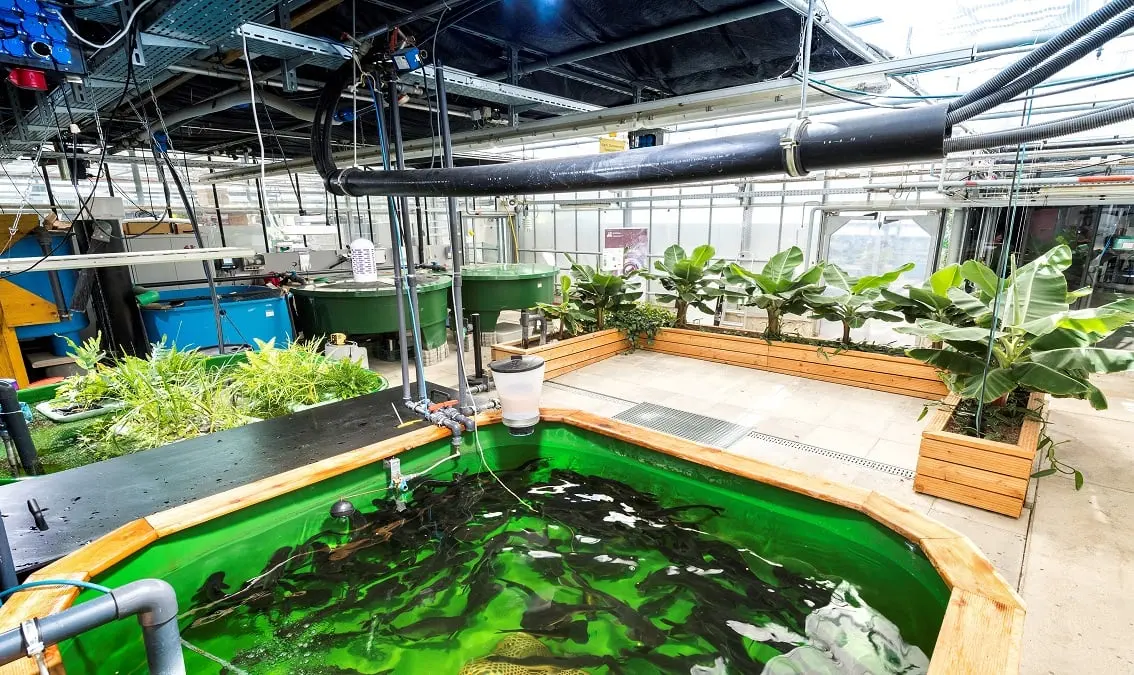
Aquaculture is the cultivation of aquatic organisms, including fish, shellfish, and aquatic plants. As climate change and overfishing threaten wild fisheries, sustainable aquaculture will be crucial for global food security by 2026. SkillsetCourse.com currently offers 1 expert-rated course on Aquaculture, covering topics like aquaponics, integrated fish and plant farming, and commercial aquaculture operations.
1
Courses
8.1/10
Avg Rating
0
Free Options
1
With Certificate
Catalog analysis updated . Ratings are independent editorial scores. Read the rating methodology.
Key Facts About Aquaculture
- 1Aquaculture supplies over 50% of the world's fish and seafood for human consumption as of 2022.
- 2The global Aquaculture market was valued at $274 billion in 2021 and is forecast to reach $376 billion by 2026.
- 3Major Aquaculture products include finfish (salmon, tilapia), crustaceans (shrimp, crayfish), and mollusks (oysters, clams).
- 4Aquaculture relies on advanced technologies like recirculating aquaculture systems, sensor monitoring, and data-driven optimization.
- 5Sustainable Aquaculture practices focus on minimizing environmental impacts, preventing disease, and improving feed efficiency.
Available on
Top Aquaculture Courses
Pro Tips for Learning Aquaculture
- #1Gain hands-on experience through internships or volunteer work at local aquaculture facilities.
- #2Develop expertise in areas like water quality management, fish health, and hatchery operations.
- #3Stay up-to-date on the latest Aquaculture technologies and sustainable farming practices.
- #4Network with industry associations and attend conferences to build connections in the Aquaculture field.
Why Learn Aquaculture?
- Aquaculture is a rapidly growing global industry with rising demand for skilled professionals.
- Skills in Aquaculture can lead to diverse and lucrative career paths in food production, conservation, and environmental science.
- Learning Aquaculture allows you to be part of the solution to overfishing and food insecurity challenges.
- Aquaculture knowledge complements skills in areas like data analysis, agricultural science, and business management.
Frequently Asked Questions
How to learn Aquaculture for free?▾
While SkillsetCourse.com currently only offers 1 paid Aquaculture course, there are many free online resources to learn the basics. Explore introductory videos, articles, and tutorials from organizations like the UN Food and Agriculture Organization or Aquaculture without Frontiers.
Best Aquaculture courses for beginners?▾
For beginner Aquaculture learners, the top-rated course on SkillsetCourse.com is "Aquaponics: Integrated Fish and Plant Farming" by Wageningen University. This 6-week online course covers Aquaculture fundamentals like water management, fish biology, and sustainable farming techniques.
Is Aquaculture hard to learn?▾
Aquaculture does require a solid understanding of biology, chemistry, and environmental science principles. However, with the right educational resources and hands-on experience, the core Aquaculture skills can be learned over 3-6 months of dedicated study.
How long to learn Aquaculture?▾
The time needed to become proficient in Aquaculture can vary based on your prior knowledge and learning goals. Many entry-level Aquaculture roles only require 3-6 months of formal training, while advanced positions may need 1-2 years of specialized education and industry experience.
Aquaculture salary 2026?▾
According to industry projections, Aquaculture professionals can expect to earn 20-30% higher salaries compared to traditional fisheries roles by 2026. For example, an Aquaculture Operations Manager may make $75,000-$95,000 per year, while a Hatchery Technician could earn $45,000-$60,000 annually.
What are the top Aquaculture companies to work for?▾
Some of the leading global Aquaculture companies include Cargill, Mowi, Cooke Aquaculture, Australis Aquaculture, and East Coast Shellfish Growers Association. These firms offer diverse career paths in areas like commercial fish farming, seafood processing, sustainability consulting, and aquaculture technology development.