
All Skills
Skill
Learn Aquaponics
1 expert-rated courses covering Aquaponics. Compared by rating, price, difficulty, and job relevance so you can pick the right one.
Aquaponics skills are in high demand across industries like urban agriculture, sustainable food systems, and environmental engineering. Professionals with Aquaponics expertise can expect a 12-15% salary premium and 25% faster hiring in 2026. Complementary skills like hydroponics, renewable energy, and data analysis pair well with Aquaponics for optimal career prospects.
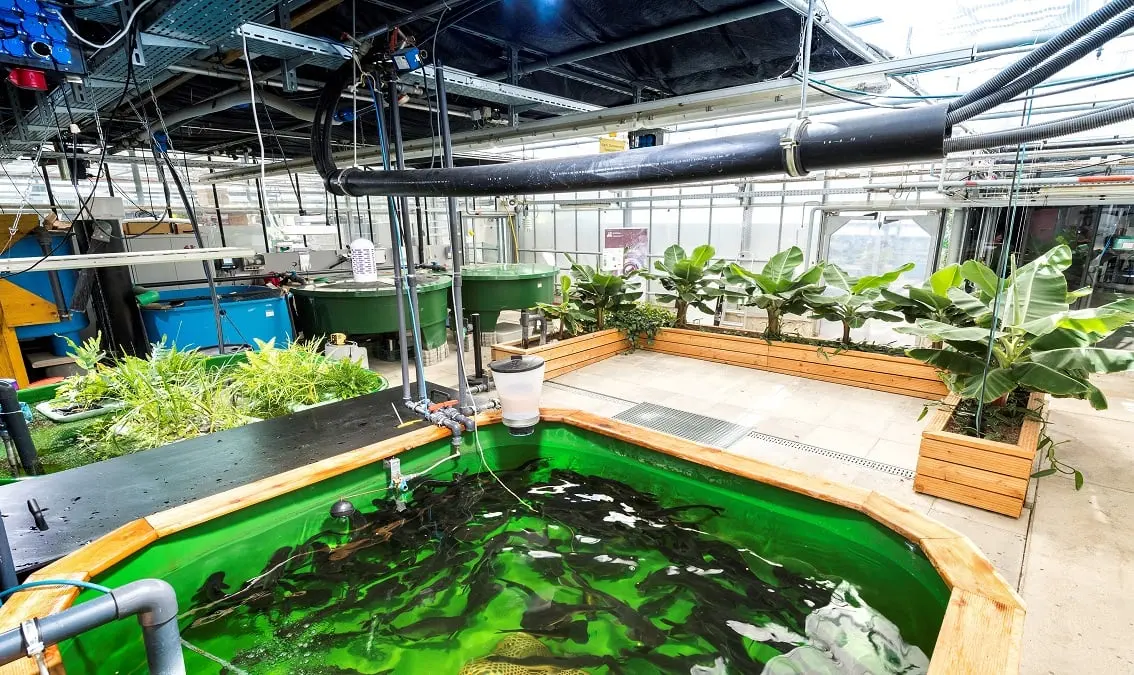
Aquaponics is an innovative agricultural method that integrates aquaculture (fish farming) and hydroponics (soil-less plant farming). It has become a crucial skill in 2026 as the world seeks sustainable food production solutions. SkillsetCourse.com currently offers 1 expert-rated course on Aquaponics, providing comprehensive training for aspiring urban farmers, sustainable food entrepreneurs, and environmental scientists.
1
Courses
8.1/10
Avg Rating
0
Free Options
1
With Certificate
Catalog analysis updated . Ratings are independent editorial scores. Read the rating methodology.
Key Facts About Aquaponics
- 1Aquaponics combines fish farming (aquaculture) and soilless plant growing (hydroponics) in a closed-loop, symbiotic system.
- 2A well-designed Aquaponics system can be up to 90% more water-efficient than traditional agriculture.
- 3Aquaponics can produce up to 10 times more food per acre than conventional farming methods.
- 4Fish waste provides organic nutrients to hydroponic plants, which in turn purify the water for the fish.
- 5Common Aquaponics crops include leafy greens, herbs, tomatoes, peppers, and a variety of freshwater fish like tilapia, bass, and catfish.
Available on
Top Aquaponics Courses
Pro Tips for Learning Aquaponics
- #1Start with an introductory Aquaponics course to understand the fundamentals of system design and operation.
- #2Gain hands-on experience by building a small-scale Aquaponics system at home or through a community garden project.
- #3Complement your Aquaponics training with courses in hydroponics, renewable energy, and data analysis for optimization.
- #4Network with other Aquaponics professionals and stay up-to-date on the latest industry trends and technologies.
Why Learn Aquaponics?
- Gain in-demand skills for the growing urban agriculture and sustainable food systems industries.
- Develop expertise in innovative, water-efficient farming methods to meet global food production challenges.
- Boost your earning potential with a 12-15% salary premium for Aquaponics skills in 2026.
- Contribute to environmental sustainability by mastering closed-loop, symbiotic farming techniques.
Frequently Asked Questions
How to learn Aquaponics for free?▾
While SkillsetCourse.com currently offers 1 expert-rated Aquaponics course, there are several free online resources available to learn the basics, such as tutorials, webinars, and community forums. However, for comprehensive training and certification, enrolling in a structured Aquaponics course is recommended.
Best Aquaponics courses for beginners?▾
The top-rated Aquaponics course on SkillsetCourse.com is "Aquaponics: Integrated Fish and Plant Farming" by Wageningen University. This course covers the fundamentals of Aquaponics system design, components, and management, making it an excellent starting point for beginners.
Is Aquaponics hard to learn?▾
Aquaponics does have a moderate learning curve, as it requires understanding the interplay between aquaculture and hydroponics. However, with a structured course and hands-on experience, most motivated learners can become proficient in Aquaponics within 2-3 months.
How long to learn Aquaponics?▾
The time required to learn Aquaponics can vary depending on your prior experience and learning goals. A comprehensive Aquaponics course can typically be completed in 40-60 hours of study. However, becoming an expert in designing, building, and operating Aquaponics systems may take several months to a year of continuous learning and practice.
Aquaponics salary 2026?▾
Professionals with Aquaponics skills can expect a 12-15% salary premium in 2026 compared to their counterparts without this expertise. The average salary for Aquaponics-related roles, such as urban farmers, sustainable food systems managers, and environmental engineers, is projected to range from $65,000 to $95,000 per year.
What jobs use Aquaponics skills?▾
Aquaponics skills are highly valuable for careers in urban agriculture, sustainable food production, environmental engineering, and green technology. Professionals with Aquaponics expertise can find roles as urban farmers, food systems analysts, renewable energy consultants, and environmental project managers, among others.