
All Skills
Skill
Learn Nutrient Management
1 expert-rated courses covering Nutrient Management. Compared by rating, price, difficulty, and job relevance so you can pick the right one.
Nutrient Management is a critical skill for roles in agriculture, environmental management, and sustainability consulting. Professionals with this expertise can expect a salary uplift of 15-20% compared to their peers. Demand for Nutrient Management skills is projected to grow by 12% annually through 2026, as businesses and governments seek to improve crop yields and reduce pollution from fertilizer runoff.
Nutrient Management is the science of optimizing the use of nutrients, such as nitrogen, phosphorus, and potassium, to maximize plant growth and minimize environmental impact. In 2026, this skill will be in high demand as the global population continues to grow, driving the need for more efficient and sustainable agricultural practices. SkillsetCourse.com currently offers 1 expert-rated course on Nutrient Management, covering topics like precision farming, soil testing, and nutrient application strategies.
1
Courses
8.1/10
Avg Rating
0
Free Options
1
With Certificate
Catalog analysis updated . Ratings are independent editorial scores. Read the rating methodology.
Key Facts About Nutrient Management
- 1Nutrient Management helps farmers increase crop yields by 10-20% while reducing fertilizer costs by 20-30%.
- 2Precision farming techniques, like GPS-guided application of fertilizers, can improve Nutrient Management efficiency by up to 30%.
- 3Improper Nutrient Management can lead to water pollution, algal blooms, and soil degradation, costing the global economy an estimated $100 billion annually.
- 4The most important nutrients for plant growth are nitrogen (N), phosphorus (P), and potassium (K), collectively known as the 'NPK' ratio.
- 5Advanced Nutrient Management strategies incorporate soil testing, weather data, and AI-powered analytics to optimize fertilizer use.
Available on
Top Nutrient Management Courses
Pro Tips for Learning Nutrient Management
- #1Supplement online courses with hands-on experience, such as internships or volunteer work on organic farms.
- #2Stay up-to-date with the latest Nutrient Management technologies, including precision farming tools and AI-driven analytics.
- #3Build a strong foundation in soil science, plant biology, and environmental science to deepen your understanding of Nutrient Management principles.
- #4Network with professionals in the agriculture and sustainability sectors to learn from their real-world experiences and best practices.
Why Learn Nutrient Management?
- Gain a competitive edge in agriculture, environmental consulting, or sustainability roles by mastering Nutrient Management techniques.
- Help businesses and governments address critical challenges like food security, water scarcity, and climate change through improved Nutrient Management.
- Earn a higher salary and increase your career opportunities by developing specialized expertise in this in-demand skill.
- Contribute to more sustainable and environmentally-friendly agricultural practices by optimizing the use of fertilizers and other soil amendments.
Frequently Asked Questions
How to learn Nutrient Management for free?▾
While SkillsetCourse.com does not currently offer any free Nutrient Management courses, there are many online resources available to learn the basics for free. Explore educational videos, webinars, and blog posts from leading agricultural organizations and universities to build your foundational knowledge.
Best Nutrient Management courses for beginners?▾
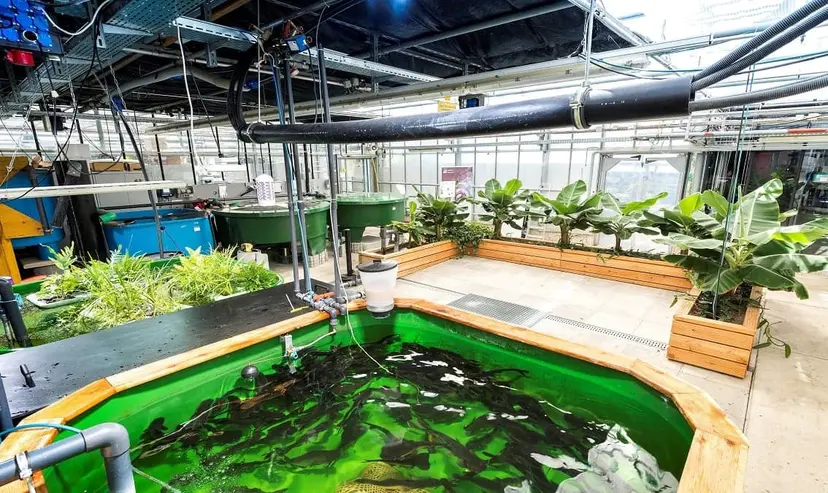
For beginners, the "Greenhouse Management and Hydroponics" course by Wageningen University on edX is a great starting point. It covers essential Nutrient Management principles, including soil testing, nutrient cycling, and fertigation techniques, all within the context of controlled environment agriculture.
Is Nutrient Management hard to learn?▾
Nutrient Management requires a solid understanding of soil science, plant biology, and environmental factors, so it can be a complex topic to master. However, with the right educational resources and hands-on experience, most motivated learners can develop the necessary skills and knowledge within 6-12 months.
How long to learn Nutrient Management?▾
The time it takes to learn Nutrient Management can vary depending on your prior knowledge and learning approach. Most online courses on the topic range from 20-40 hours of study time. To become an expert, you'll likely need 6 months to a year of coursework, practical experience, and continuous learning.
Nutrient Management salary 2026?▾
Professionals with Nutrient Management expertise can expect to earn a salary premium of 15-20% compared to their peers in 2026. According to industry projections, the average salary for Nutrient Management roles will range from $65,000 to $85,000 per year, depending on factors like location, industry, and level of experience.
What are the best Nutrient Management tools and technologies?▾
Some of the top Nutrient Management tools and technologies include GPS-guided fertilizer spreaders, drone-mounted sensors for precision mapping, soil testing kits, and AI-powered analytics platforms that optimize nutrient application based on environmental data. Staying up-to-date with the latest advancements in this space can greatly improve the efficiency and effectiveness of your Nutrient Management practices.