
Learn Control Systems
9 expert-rated courses covering Control Systems. Compared by rating, price, difficulty, and job relevance so you can pick the right one.
The SkillsetCourse catalog offers a comprehensive exploration of Control Systems through 10 courses available on platforms like Udemy and Coursera. All courses provide certificates upon completion, with two free options available. The related skills of simulation, self-driving technology, and odometry enhance the learning experience and applicability of Control Systems in various engineering fields.
Catalog analysis updated . Ratings are independent editorial scores. Read the rating methodology.
Key Facts About Control Systems
- 1Control Systems is essential for designing automated and robotic systems.
- 2SkillsetCourse offers 10 courses focused on Control Systems.
- 3All courses in the catalog provide certificates upon completion.
- 4Two free courses are available for learners interested in Control Systems.
- 5Related skills include simulation, ROS 2, and autonomous vehicles.
Top Control Systems Courses
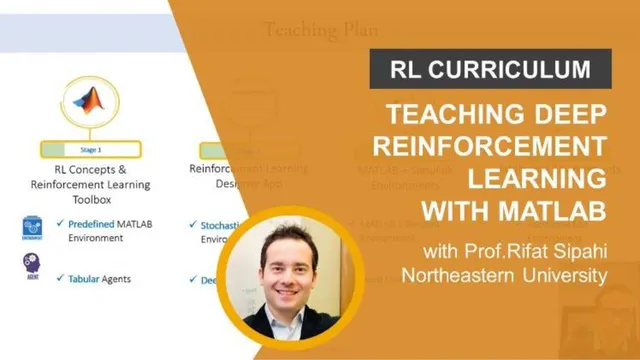
Reinforcement Learning (MathWorks)
Learn reinforcement learning for engineering applications including control systems, simulation, and deep RL with MATLAB.
Modern Robotics, Course 1: Foundations of Robot Motion
Explore the mathematics and algorithms behind modern robotic systems including kinematics, dynamics, and motion planning. This comprehensive course provides theoretical foundations and practical applications for designing and controlling sophisticated robots.
Advanced Programming With Ladder, FBD, Structured Text
Master advanced PLC programming techniques using Ladder Logic, Function Block Diagram, and Structured Text languages. This course provides in-depth knowledge of industrial automation programming paradigms and best practices for complex control systems.
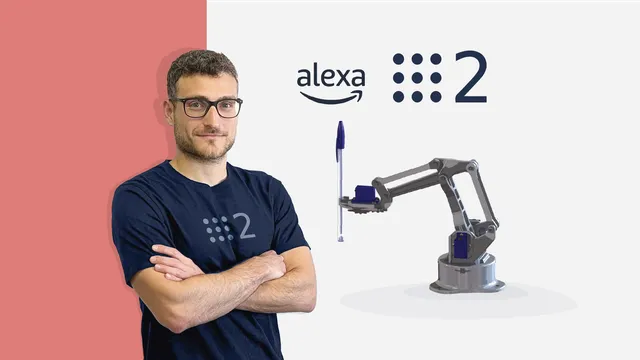
Self Driving and ROS 2 - Odometry & Control
Create a ROS2 Self-Driving robot with Python and C++. Master Odometry, Control and Sensor Fusion using Kalman Filters.
Self-Driving Cars Specialization
Comprehensive specialization from University of Toronto covering autonomous vehicle perception, planning, control, and safety systems.
Introduction to Self-Driving Cars
Learn the fundamentals of self-driving car technology including control systems, safety assurance, and software architecture.
Autonomous Vehicle Engineering
Learn autonomous vehicle engineering from Università di Napoli covering simulation, computer vision, control systems, and big data.
Mastering ROS 2 for Robotics Programming Specialization
A comprehensive specialization covering ROS 2 fundamentals and advanced robotics programming techniques. Learn to develop, simulate, and deploy robotic applications using the Robot Operating System 2 framework.
Autonomous Aerospace Systems
Learn autonomous systems for aerospace including drones, UAVs, control systems, computer vision, and safety assurance.
Pro Tips for Learning Control Systems
- #1Start with 'Introduction to Self-Driving Cars' to build foundational knowledge in Control Systems.
- #2Practice simulation techniques to reinforce your understanding of Control Systems concepts.
- #3Engage with hands-on projects to apply Control Systems theories in real-world scenarios.
- #4Explore related skills like ROS 2 to enhance your expertise in Control Systems.
Why Learn Control Systems?
- Learning Control Systems can enhance career opportunities in robotics and automation engineering.
- Control Systems knowledge is crucial for roles in self-driving technology and aerospace systems.
- Mastering Control Systems can lead to roles in innovative fields like autonomous vehicles.
- Control Systems expertise is increasingly sought after in industries focused on automation.