
Learn Trauma Care
2 expert-rated courses covering Trauma Care. Compared by rating, price, difficulty, and job relevance so you can pick the right one.
Trauma Care skills are essential for roles in emergency medicine, firefighting, law enforcement, and disaster relief organizations. Trauma nurses, EMTs, and paramedics earn 15-20% higher salaries on average. Demand for trauma responders is projected to grow 12% annually through 2026 as populations become more vulnerable to natural and man-made crises.
Catalog analysis updated . Ratings are independent editorial scores. Read the rating methodology.
Key Facts About Trauma Care
- 1Trauma Care covers the assessment, stabilization, and transportation of patients with severe injuries like bleeding, fractures, spinal cord trauma, and organ damage.
- 2The leading causes of traumatic injuries are motor vehicle accidents (38%), falls (20%), violence (10%), and sports/recreation (9%).
- 3The survival rate for major trauma patients treated at verified trauma centers is 25% higher than at non-trauma hospitals.
- 4Common Trauma Care interventions include hemorrhage control, airway management, fluid resuscitation, and splinting of fractures.
- 5Trauma Care knowledge and skills are applicable across diverse emergency medical settings, from battlefield combat to disaster relief zones.
Top Trauma Care Courses
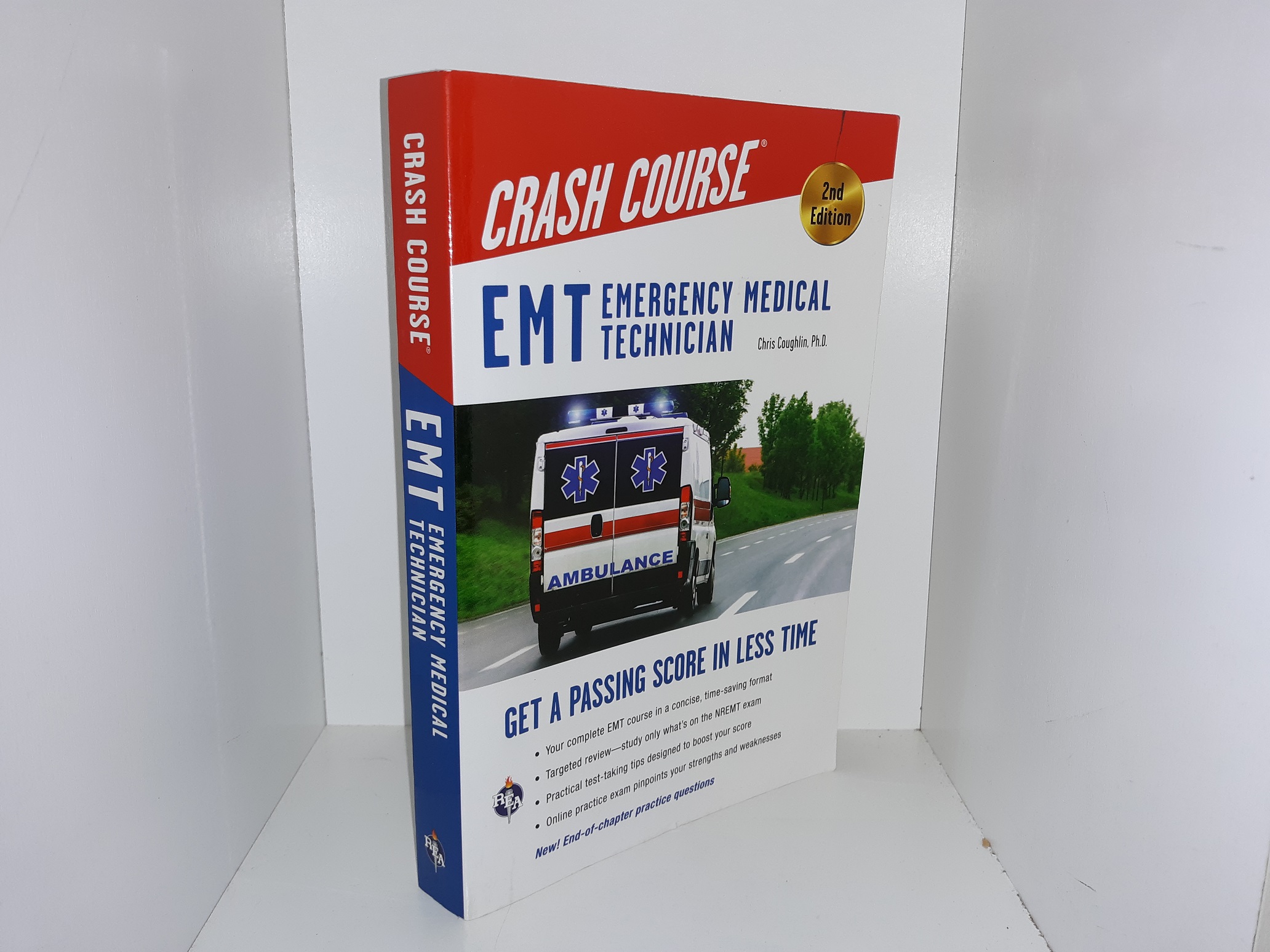
Emergency Medical Technician (EMT) Foundations
Develop essential healthcare competencies in this rigorous yet accessible course. Foundation course for aspiring EMTs covering emergency assessment, airway management, trauma care, and patient stabilization techniques. Aligns with NREMT guidelines. Covers current industry standards, regulatory requirements, and best practices - giving you the edge employers look for in new hires.
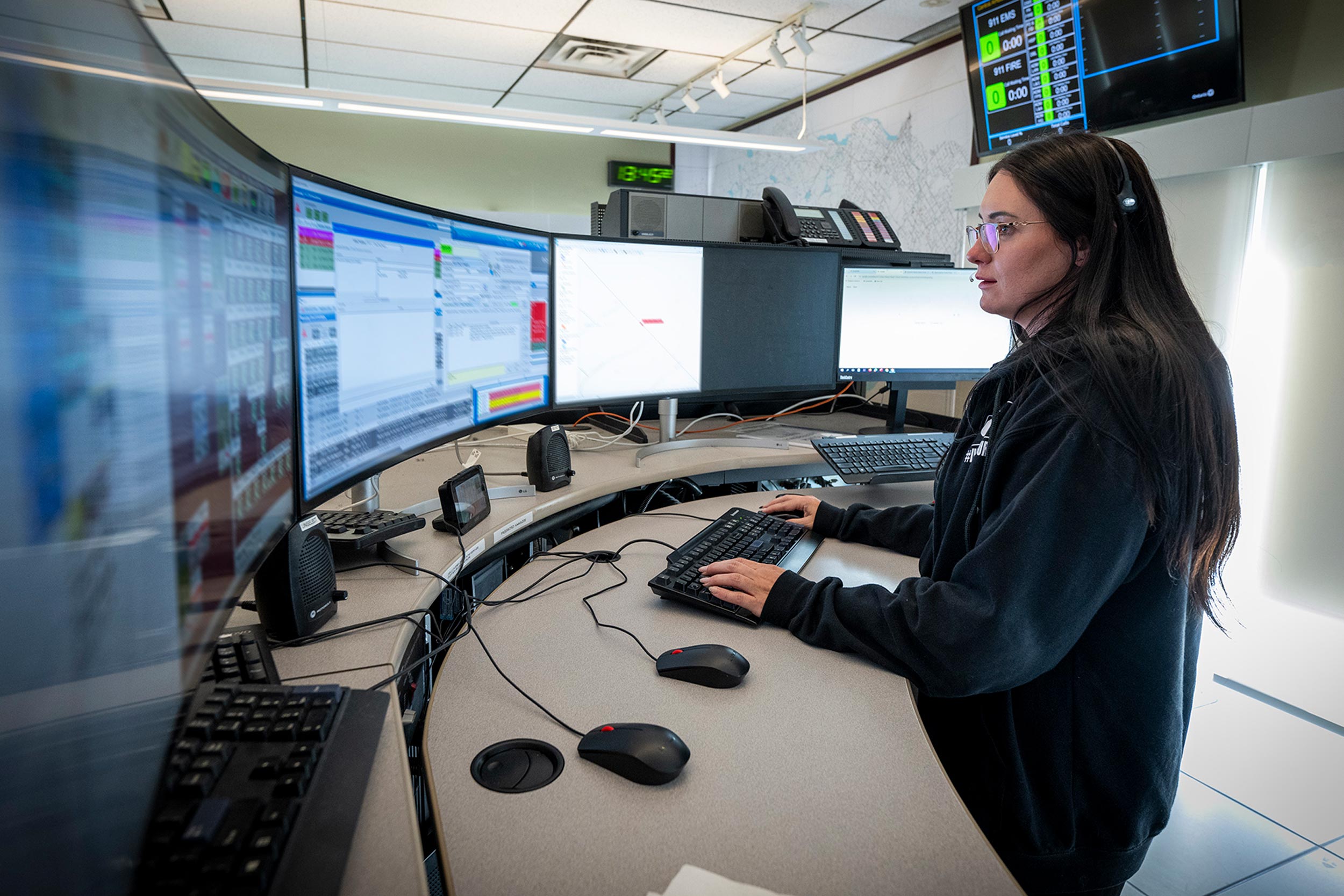
Emergency Dispatch and 911 Operations
Build the foundation for a rewarding career in public safety through this rigorous course. Emergency dispatch training covering call-taking protocols, CAD systems, priority dispatch, radio communications, and stress management for 911 telecommunicators. Includes realistic scenario training, protocol drills, and certification preparation designed by active-duty professionals.
Pro Tips for Learning Trauma Care
- #1Supplement online Trauma Care courses with hands-on training in simulated emergency scenarios.
- #2Earn certifications like EMT-Basic, PHTLS, or ATLS to demonstrate specialized trauma expertise.
- #3Shadow experienced emergency responders to gain practical, on-the-job insights.
- #4Stay up-to-date on the latest trauma treatment protocols and technologies.
Why Learn Trauma Care?
- Gain critical skills to save lives during medical emergencies and natural disasters.
- Qualify for high-demand, well-paid roles as an EMT, paramedic, or trauma nurse.
- Build a versatile skillset applicable to a wide range of emergency response jobs.
- Develop the composure and decision-making abilities to perform effectively under pressure.