
All Skills
Skill
Learn Radio Communications
1 expert-rated courses covering Radio Communications. Compared by rating, price, difficulty, and job relevance so you can pick the right one.
Radio communications skills are in high demand across industries like public safety, transportation, and defense, with an estimated 10% growth in job openings by 2026. Professionals skilled in radio technologies can command a salary premium of up to $15,000 and benefit from the synergy with complementary skills like data analysis, project management, and technical troubleshooting.
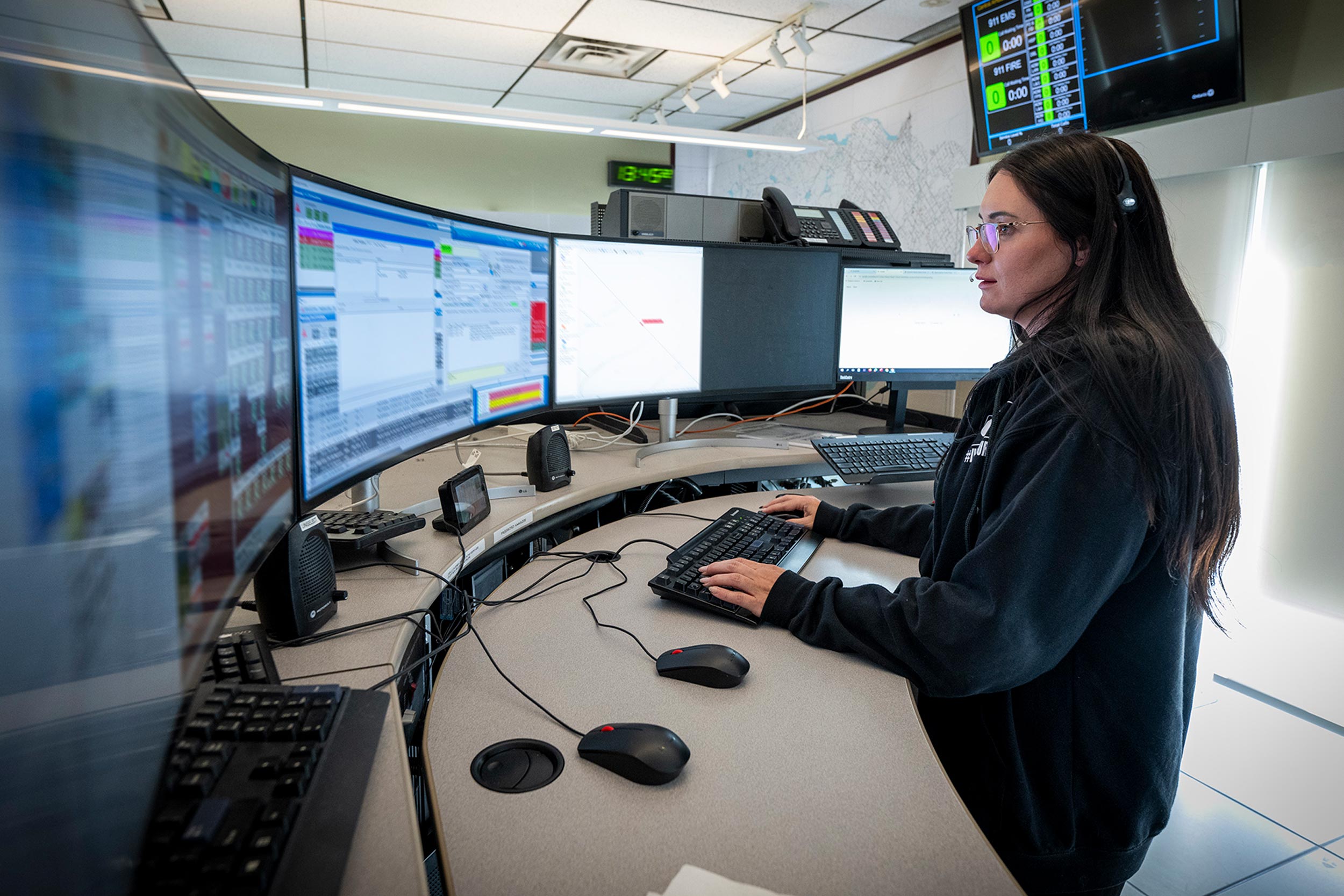
Radio communications is the transmission and reception of information via radio waves, a critical technology powering modern telecommunications, emergency services, and military operations. With 1 expert-curated course available on SkillsetCourse.com, learners can master the fundamentals of radio wave propagation, antenna design, and digital signal processing to support applications like emergency dispatch, aviation, and industrial automation.
1
Courses
8.5/10
Avg Rating
0
Free Options
1
With Certificate
Catalog analysis updated . Ratings are independent editorial scores. Read the rating methodology.
Key Facts About Radio Communications
- 1Radio communications rely on the generation, transmission, and reception of electromagnetic waves in the radio frequency (RF) spectrum, typically between 3 kHz to 300 GHz.
- 2Key radio communication system components include transmitters, receivers, antennas, modulators, demodulators, and signal processors.
- 3Emergency dispatch, air traffic control, and industrial automation are major applications of radio communications technology.
- 4Radio communications require licensing and regulation by government agencies to manage spectrum allocation and prevent interference.
- 5Emerging trends in radio communications include software-defined radio, 5G/6G cellular networks, and the Internet of Things (IoT) sensor networks.
Available on
Top Radio Communications Courses
Pro Tips for Learning Radio Communications
- #1Supplement online courses with hands-on projects using software-defined radio kits to apply concepts in a practical setting.
- #2Seek out internships or entry-level roles at telecommunications companies to gain real-world experience in radio system design and troubleshooting.
- #3Stay current on FCC regulations and industry standards to ensure compliance and ethical radio spectrum usage.
- #4Build complementary skills in data analysis, project management, and technical documentation to enhance your value as a radio communications professional.
Why Learn Radio Communications?
- Develop in-demand technical skills to support critical communication infrastructure and public safety applications.
- Gain a competitive advantage for roles in telecommunications, transportation, or defense industries.
- Unlock new career paths in fields like emergency dispatch, air traffic control, or industrial automation.
- Contribute to the ongoing evolution of wireless technologies powering the digital transformation.
AI Tools for Radio Communications
Apply your Radio Communications skills with these recommended tools:
Frequently Asked Questions
How to learn Radio Communications for free?▾
While there are no completely free courses on SkillsetCourse.com for Radio Communications, many online platforms like Coursera offer audit or financial aid options to access course materials at no cost. Learners can also explore free resources like FCC tutorials, industry association webinars, and software-defined radio communities to supplement their education.
Best Radio Communications courses for beginners?▾
For learners new to Radio Communications, the "Emergency Dispatch and 911 Operations" course by the National Emergency Number Association on Coursera provides a solid foundation in radio system fundamentals, emergency response protocols, and dispatch center operations. This course is rated 9/10 by SkillsetCourse experts and awards a certificate upon completion.
Is Radio Communications hard to learn?▾
While Radio Communications does involve technical concepts in electromagnetics, signal processing, and wireless system design, the subject matter is well-documented and accessible to motivated learners. With structured coursework, hands-on practice, and industry mentorship, most individuals can develop proficiency in radio communications within 3-6 months of focused study.
How long to learn Radio Communications?▾
The time required to learn Radio Communications can vary based on prior knowledge, learning goals, and available resources. Most online courses range from 20-40 hours of instructional content, which can be completed part-time over 2-4 months. Gaining practical experience and industry certifications may take an additional 6-12 months for a comprehensive skill set.
Radio Communications salary 2026?▾
According to industry projections, the average salary for radio communications professionals is expected to reach $75,000 by 2026, a 10% increase from current levels. This growth is driven by the increasing demand for skilled radio technicians, system architects, and project managers across industries like public safety, transportation, and defense.
What are the benefits of learning Radio Communications?▾
Learning Radio Communications can open up a wide range of career opportunities in fields like emergency dispatch, air traffic control, industrial automation, and military communications. Radio communication skills are in high demand, commanding competitive salaries and enabling professionals to contribute to the development of critical communication infrastructure powering modern society.