
Learn vital-signs
6 expert-rated courses covering vital-signs. Compared by rating, price, difficulty, and job relevance so you can pick the right one.
The ability to accurately measure and interpret vital signs is a crucial skill for healthcare roles like nursing, emergency medical services, and medical assistants. Demand for professionals with Vital Signs expertise is projected to grow 9% by 2026, with an average salary uplift of $4,500 per year.
Catalog analysis updated . Ratings are independent editorial scores. Read the rating methodology.
Key Facts About vital-signs
- 1Vital Signs include body temperature, pulse rate, respiration rate, and blood pressure.
- 2Accurately measuring and recording vital signs is a core competency for Certified Nursing Assistants (CNAs), Emergency Medical Technicians (EMTs), and Medical Assistants.
- 3Vital Signs can indicate underlying medical conditions and track a patient's response to treatment.
- 4The normal ranges for Vital Signs vary by age, sex, and other factors. For adults, a healthy body temperature is 97-99°F, pulse is 60-100 bpm, respiration is 12-20 breaths/min, and blood pressure is 120/80 mmHg.
- 5Improperly measuring or documenting Vital Signs can lead to missed diagnoses and improper treatment. Thorough training is essential.
Top vital-signs Courses
Patient Care Technician Essentials
Develop core competencies for patient care technicians including vital signs monitoring, patient hygiene, and basic clinical skills. Learn communication techniques and safety protocols essential for patient-centered healthcare delivery.
Certified Nursing Assistant (CNA) Training
Launch a meaningful career in healthcare with this comprehensive, expert-led course. Training to become a certified nursing assistant. Covers patient care fundamentals, vital signs monitoring, infection control, and clinical skills needed for healthcare facilities. Created by healthcare professionals with decades of clinical and teaching experience, this course bridges the gap between classroom learning and real patient care.
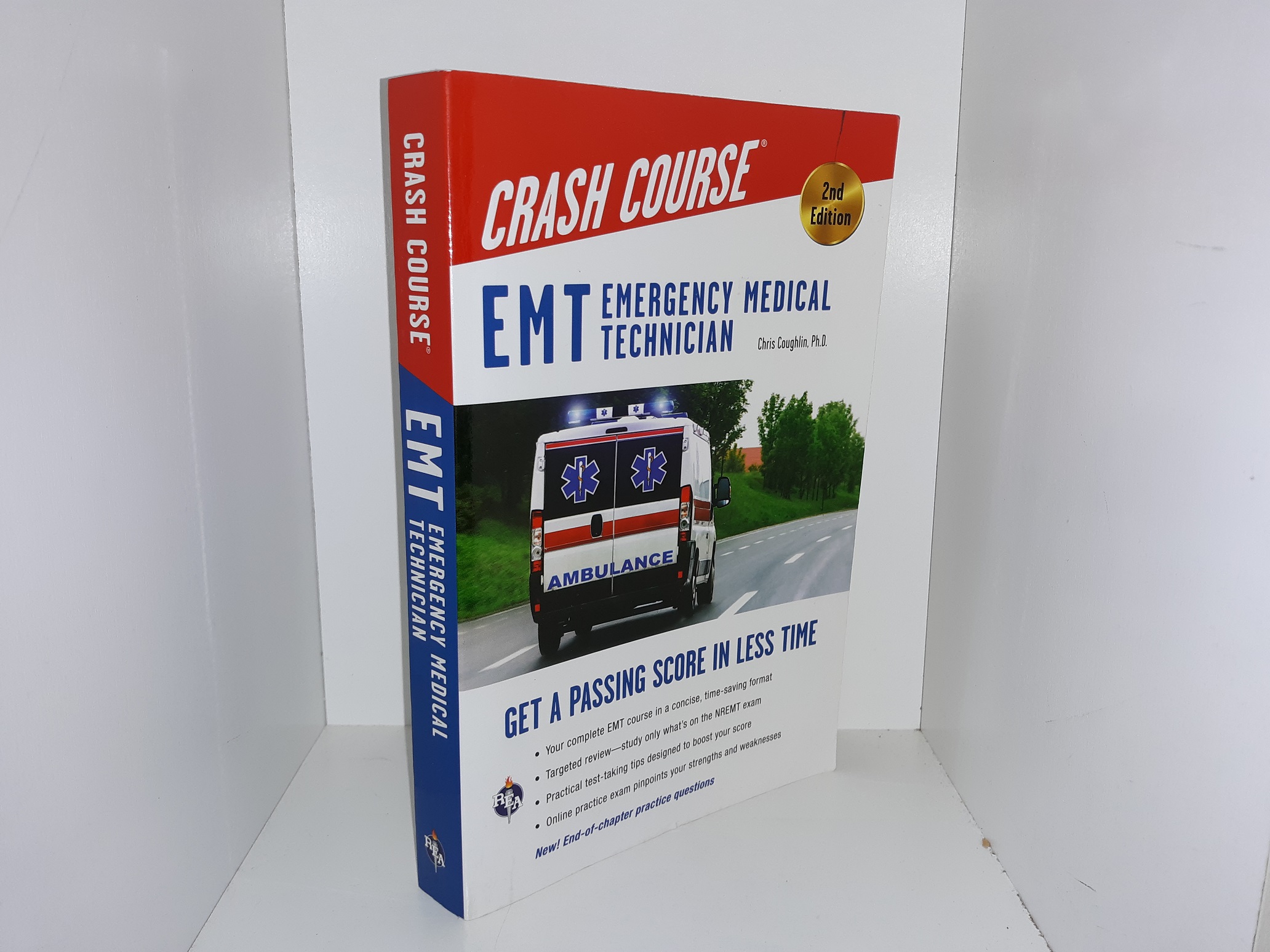
Emergency Medical Technician (EMT) Foundations
Develop essential healthcare competencies in this rigorous yet accessible course. Foundation course for aspiring EMTs covering emergency assessment, airway management, trauma care, and patient stabilization techniques. Aligns with NREMT guidelines. Covers current industry standards, regulatory requirements, and best practices - giving you the edge employers look for in new hires.
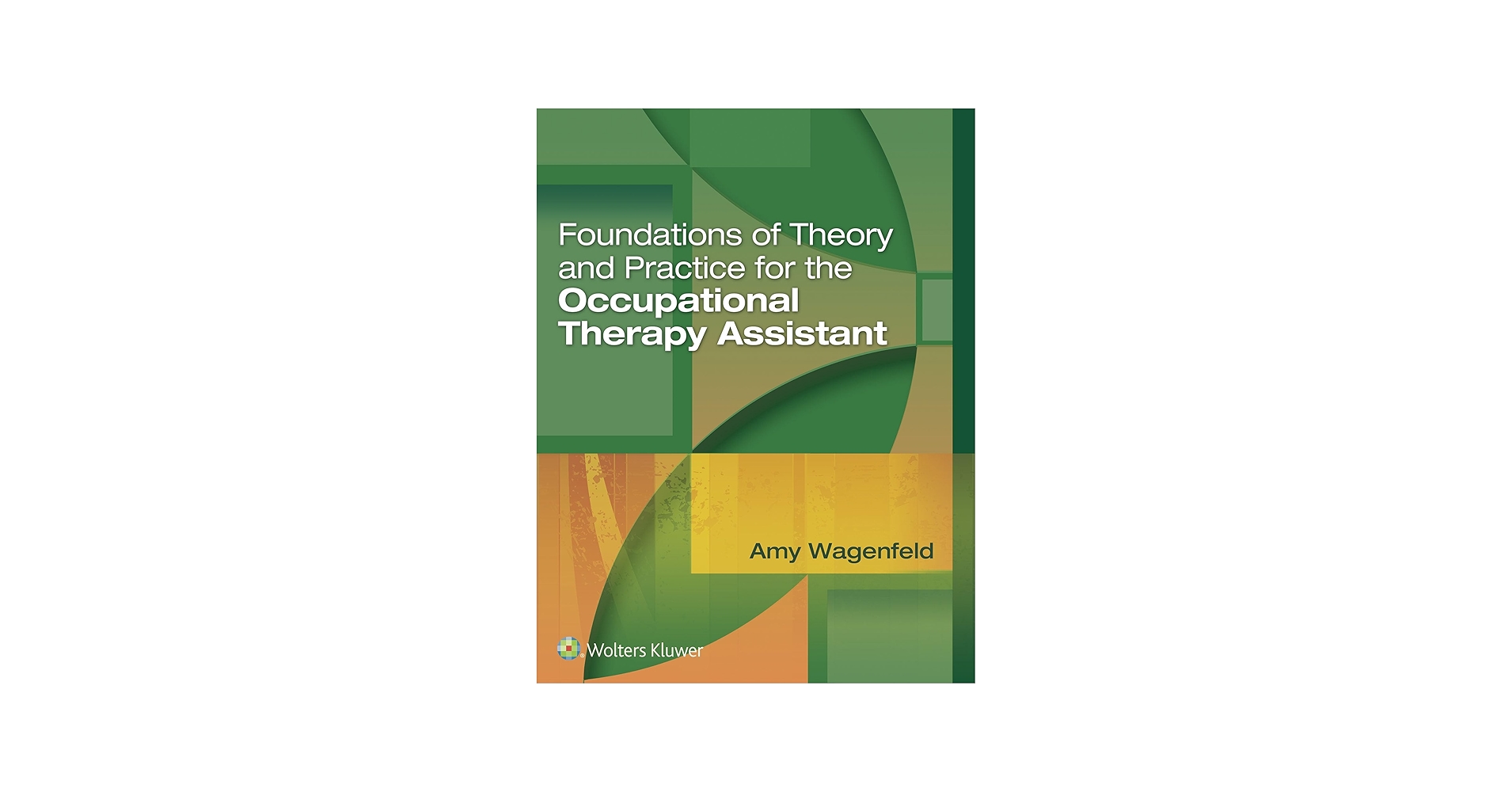
Occupational Therapy Assistant Foundations
Develop essential healthcare competencies in this rigorous yet accessible course. Occupational therapy foundations covering therapeutic activities, patient assessment, adaptive equipment, rehabilitation techniques, and documentation for clinical settings. Covers current industry standards, regulatory requirements, and best practices - giving you the edge employers look for in new hires.
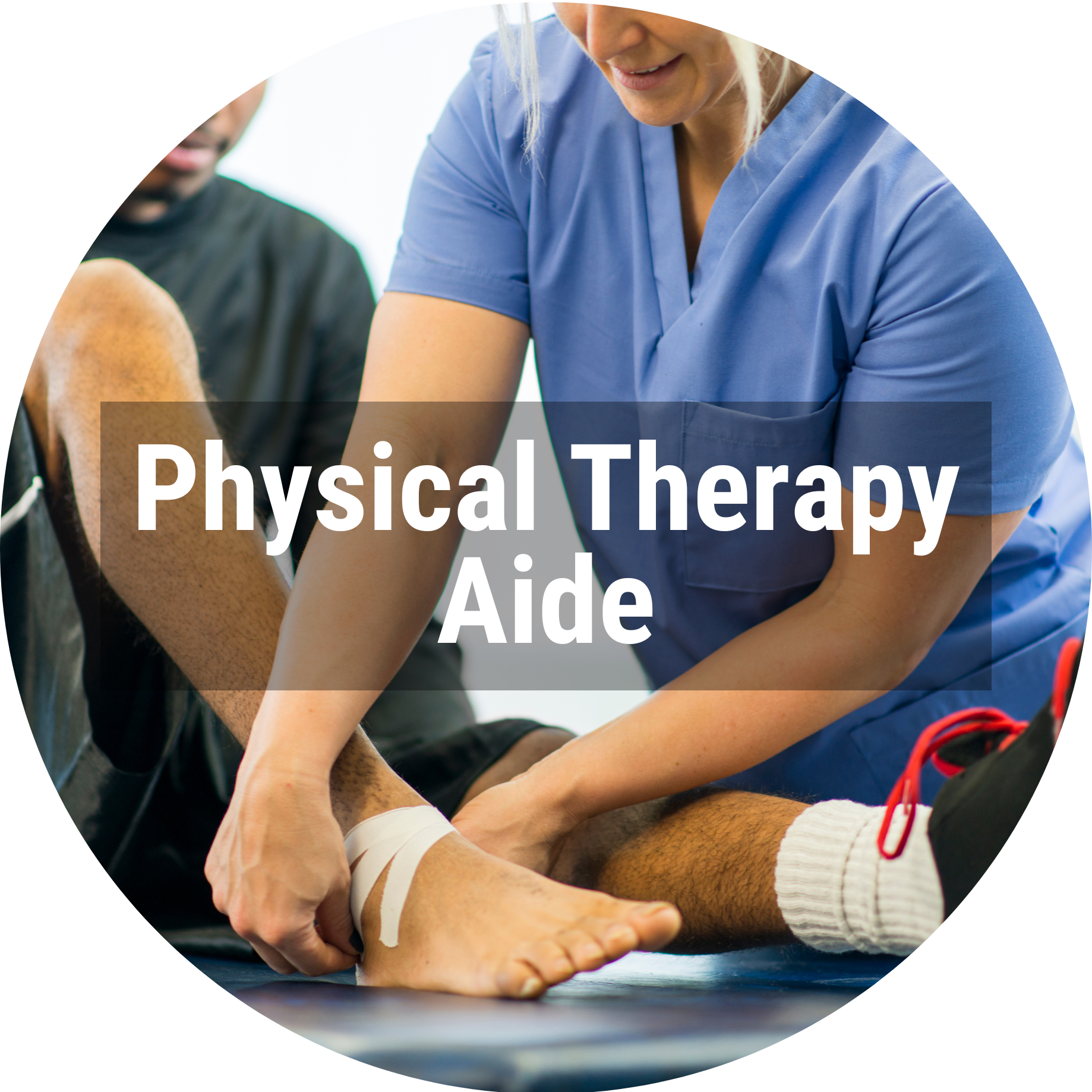
Physical Therapy Aide Training
Build the clinical skills employers demand in this hands-on, practice-focused course. Physical therapy aide training covering therapeutic exercises, modality application, patient transfers, treatment area setup, and documentation for rehabilitation clinics. Whether you're starting fresh or advancing your career, this training provides the foundation and credentials to move forward with confidence.

Childcare Provider Professional Training
Launch a meaningful career in healthcare with this comprehensive, expert-led course. Early childhood care training covering child development stages, activity planning, safety protocols, nutrition for children, behavior management, and licensing requirements. Created by healthcare professionals with decades of clinical and teaching experience, this course bridges the gap between classroom learning and real patient care.
Pro Tips for Learning vital-signs
- #1Practice measuring Vital Signs on a variety of patients to develop consistency and confidence.
- #2Learn how Vital Signs change based on factors like age, medical conditions, and medication use.
- #3Stay up-to-date on the latest Vital Signs guidelines and best practices through continued education.
Why Learn vital-signs?
- Vital Signs expertise is required for most healthcare support roles, including Nursing Assistants, Medical Assistants, and Emergency Medical Technicians.
- Mastering Vital Signs measurement and interpretation can improve patient outcomes and quality of care.
- Professionals with Vital Signs skills earn 8-12% higher salaries on average compared to peers without this expertise.