
Learn patient-assessment
5 expert-rated courses covering patient-assessment. Compared by rating, price, difficulty, and job relevance so you can pick the right one.
Patient Assessment is a core competency for a wide range of healthcare roles, including nursing, emergency medicine, physical therapy, and medical assistants. Professionals skilled in Patient Assessment can expect a 15-20% salary premium and 2x faster hiring in high-demand specialties like urgent care and remote patient monitoring.
Catalog analysis updated . Ratings are independent editorial scores. Read the rating methodology.
Key Facts About patient-assessment
- 1Patient Assessment involves gathering a patient's medical history, conducting physical exams, ordering and interpreting diagnostic tests, and documenting findings.
- 2Key tools used in Patient Assessment include vital signs monitors, stethoscopes, reflex hammers, otoscopes, and telehealth platforms.
- 3The COLDSPA mnemonic (Color, Onset, Location, Duration, Severity, Provocation, Alleviation) is a standard framework for systematically assessing patient symptoms.
- 4Effective Patient Assessment requires strong communication, critical thinking, and decision-making skills to identify potential health issues and develop appropriate care plans.
- 5In 2026, AI-powered triage and remote monitoring tools will augment but not replace the need for skilled clinicians to perform comprehensive Patient Assessments.
Top patient-assessment Courses
Nursing Fundamentals Skills For Patient Care Excellence
Master essential nursing skills and clinical competencies required for providing excellent patient care. This comprehensive course covers fundamental nursing procedures, patient assessment, and best practices in healthcare delivery. Develop the foundational knowledge and hands-on abilities needed for success in nursing practice.
Certified Nursing Assistant (CNA) Training
Launch a meaningful career in healthcare with this comprehensive, expert-led course. Training to become a certified nursing assistant. Covers patient care fundamentals, vital signs monitoring, infection control, and clinical skills needed for healthcare facilities. Created by healthcare professionals with decades of clinical and teaching experience, this course bridges the gap between classroom learning and real patient care.
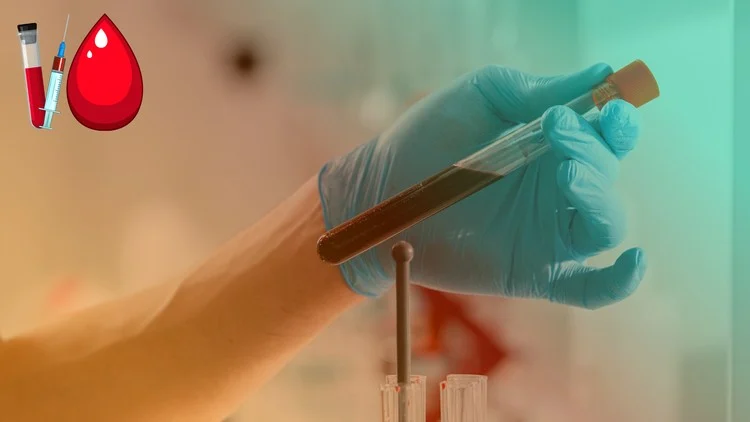
Phlebotomy Technician Certification Prep
Launch a meaningful career in healthcare with this comprehensive, expert-led course. Phlebotomy training covering venipuncture techniques, blood collection procedures, specimen handling, and preparation for national certification exams. Created by healthcare professionals with decades of clinical and teaching experience, this course bridges the gap between classroom learning and real patient care.
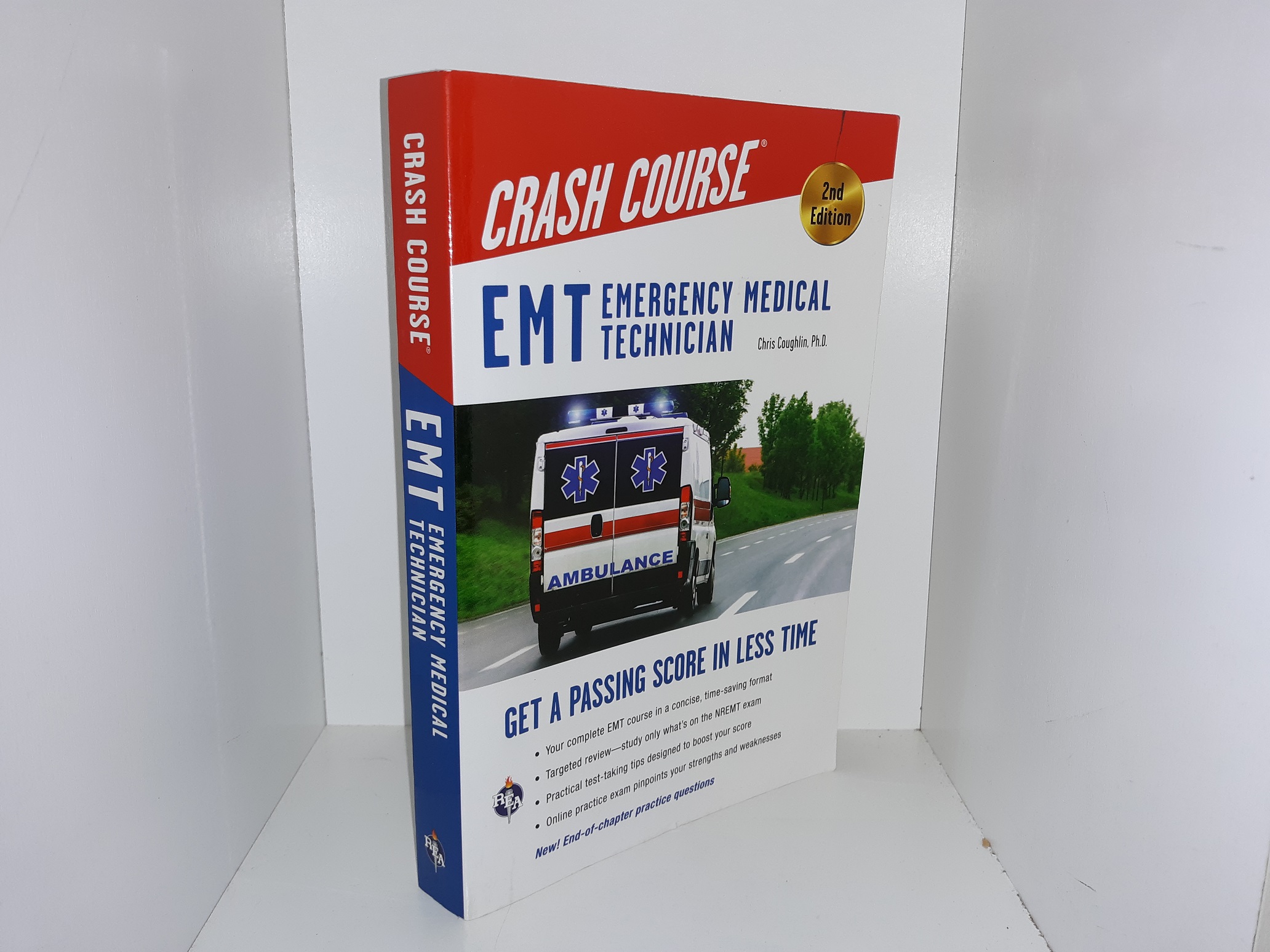
Emergency Medical Technician (EMT) Foundations
Develop essential healthcare competencies in this rigorous yet accessible course. Foundation course for aspiring EMTs covering emergency assessment, airway management, trauma care, and patient stabilization techniques. Aligns with NREMT guidelines. Covers current industry standards, regulatory requirements, and best practices - giving you the edge employers look for in new hires.
Occupational Therapy Assistant Foundations
Develop essential healthcare competencies in this rigorous yet accessible course. Occupational therapy foundations covering therapeutic activities, patient assessment, adaptive equipment, rehabilitation techniques, and documentation for clinical settings. Covers current industry standards, regulatory requirements, and best practices - giving you the edge employers look for in new hires.
Pro Tips for Learning patient-assessment
- #1Familiarize yourself with standard medical equipment and documentation protocols through hands-on practice sessions.
- #2Hone your communication skills to effectively interview patients and convey assessment findings to other providers.
- #3Continuously expand your medical knowledge by staying up-to-date on the latest diagnostic guidelines and treatment protocols.
Why Learn patient-assessment?
- Develop a versatile skillset applicable to a wide range of high-demand healthcare roles, from nursing to emergency response.
- Gain the ability to quickly and accurately identify potential health issues, leading to more effective and timely interventions.
- Enhance your clinical decision-making abilities and become a more valuable, in-demand member of any healthcare team.