
Learn phlebotomy
3 expert-rated courses covering phlebotomy. Compared by rating, price, difficulty, and job relevance so you can pick the right one.
Phlebotomists work in hospitals, clinics, blood banks, and diagnostic laboratories. The average phlebotomist salary is $37,000 per year, and the job outlook is projected to grow 22% by 2026 as the aging population requires more medical testing. This makes phlebotomy an excellent career path for those seeking stable, well-paying healthcare roles.
Catalog analysis updated . Ratings are independent editorial scores. Read the rating methodology.
Key Facts About phlebotomy
- 1Phlebotomists collect blood samples from patients using specialized equipment like vacutainers, butterfly needles, and tourniquets.
- 2Proper phlebotomy technique is critical to ensure patient comfort and prevent complications like bruising, hematoma, or nerve damage.
- 3Phlebotomists must be trained in infection control, specimen handling, and quality assurance to meet regulatory standards.
- 4Common phlebotomy skills include venipuncture, finger/heel sticks, arterial blood draws, and blood culture collection.
- 5Certification programs teach phlebotomy skills and award industry-recognized credentials like the Certified Phlebotomy Technician (CPT) certification.
Top phlebotomy Courses
Pediatric Geriatric Phlebotomy and Cardiology Assisting
Master specialized phlebotomy and cardiac assisting techniques for vulnerable populations including pediatric and geriatric patients. Learn age-specific considerations, safety protocols, and patient communication strategies.
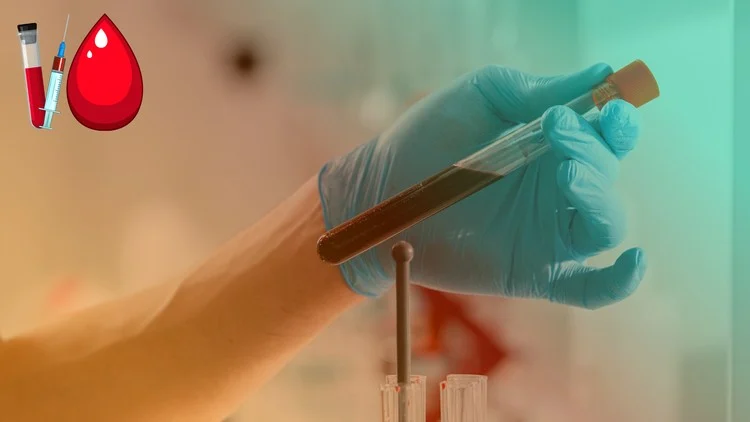
Phlebotomy Technician Certification Prep
Launch a meaningful career in healthcare with this comprehensive, expert-led course. Phlebotomy training covering venipuncture techniques, blood collection procedures, specimen handling, and preparation for national certification exams. Created by healthcare professionals with decades of clinical and teaching experience, this course bridges the gap between classroom learning and real patient care.
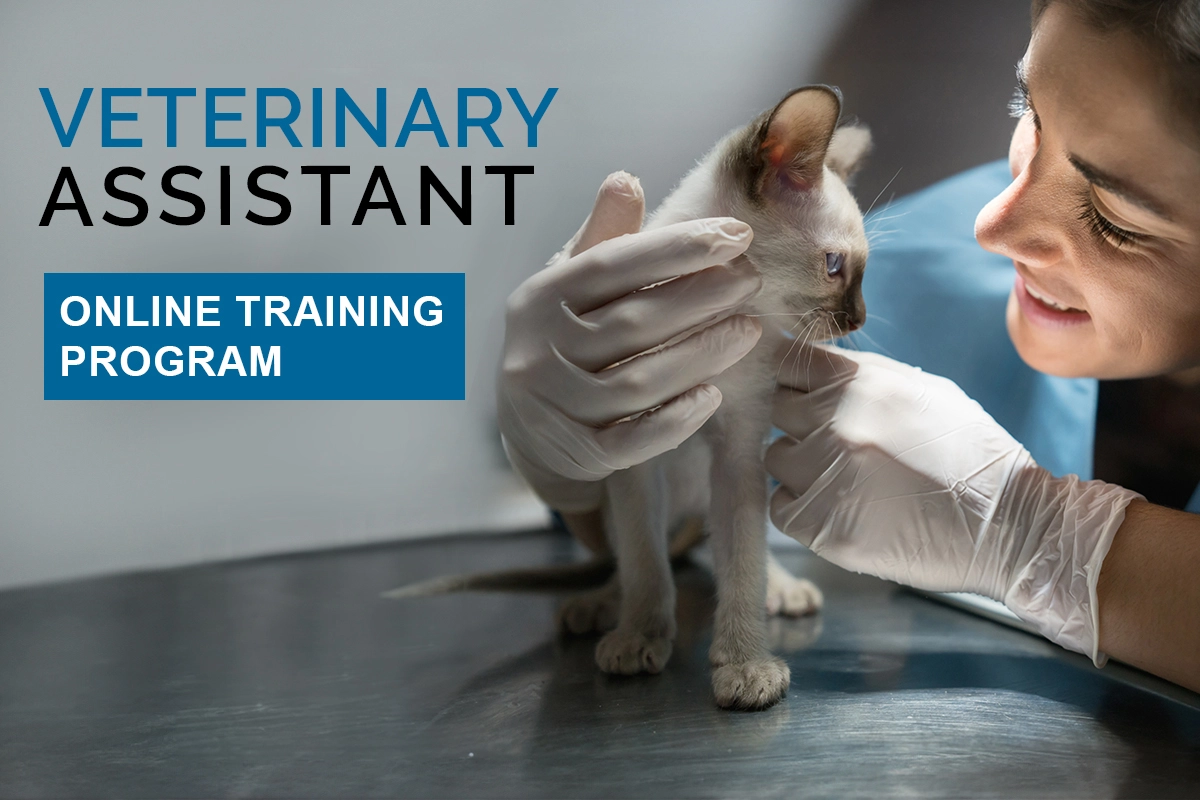
Veterinary Assistant Complete Training
Prepare for professional certification with this evidence-based course. Veterinary assistant training covering animal handling, clinical procedures, surgical preparation, laboratory skills, and emergency animal care. Features hands-on lab activities, patient interaction scenarios, and certification prep materials that mirror actual workplace demands.
Pro Tips for Learning phlebotomy
- #1Seek out phlebotomy training programs that provide hands-on practice drawing blood from artificial arms or live patients.
- #2Earn your Certified Phlebotomy Technician (CPT) credential to demonstrate your skills and stand out to employers.
- #3Consider specializing in areas like pediatric, geriatric, or donor center phlebotomy to expand your job prospects.
Why Learn phlebotomy?
- Phlebotomy is a stable, well-paying career with strong job growth projected through 2026.
- Phlebotomy skills are in high demand across healthcare settings like hospitals, clinics, blood banks, and laboratories.
- Phlebotomy training opens the door to further healthcare certifications and career advancement opportunities.