
All Skills
Skill
Learn Blood Collection
1 expert-rated courses covering Blood Collection. Compared by rating, price, difficulty, and job relevance so you can pick the right one.
Blood Collection skills are in high demand across healthcare settings, including hospitals, clinics, laboratories, and blood banks. Phlebotomists with this expertise can expect a median salary of $36,320 per year in the US, with the field projected to grow 22% by 2026. Complementary skills like patient care, attention to detail, and dexterity are highly valued in this role.
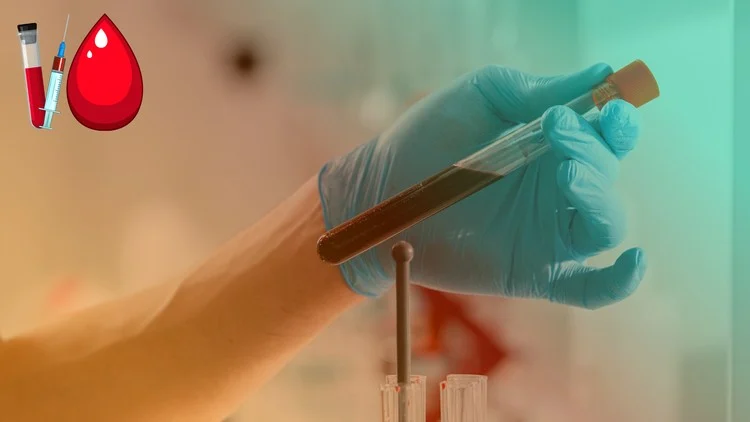
Blood Collection is the process of extracting blood samples from a patient for diagnostic or treatment purposes. In 2026, this skill will remain crucial for healthcare professionals, as blood tests are essential for monitoring patient health, detecting diseases, and guiding medical interventions. SkillsetCourse.com currently offers 1 expert-rated course on Blood Collection, covering topics like phlebotomy, specimen collection, and sample handling.
1
Courses
8.6/10
Avg Rating
0
Free Options
1
With Certificate
Catalog analysis updated . Ratings are independent editorial scores. Read the rating methodology.
Key Facts About Blood Collection
- 1Blood Collection involves extracting blood samples from patients using sterile needles and syringes.
- 2Proper Blood Collection technique is critical to ensure sample integrity and minimize patient discomfort.
- 3Common Blood Collection methods include venipuncture, fingerstick, and arterial blood gas sampling.
- 4Blood Collection professionals must follow strict safety protocols to prevent infection and protect themselves.
- 5Accurate record-keeping and sample labeling are essential parts of the Blood Collection workflow.
Available on
Top Blood Collection Courses
Pro Tips for Learning Blood Collection
- #1Enroll in a comprehensive Blood Collection course that covers both theoretical knowledge and hands-on training.
- #2Seek out opportunities for supervised clinical experience to build confidence and perfect your technique.
- #3Stay up-to-date with industry guidelines and regulations around safe blood handling and sample processing.
- #4Develop strong communication and customer service skills to effectively interact with patients.
Why Learn Blood Collection?
- Acquire an in-demand healthcare skill with strong employment prospects and earning potential.
- Develop expertise in a critical diagnostic procedure that supports patient care and medical decision-making.
- Gain hands-on experience handling medical equipment and interacting with patients in a clinical setting.
- Complement your clinical knowledge and healthcare training with practical technical skills.
Frequently Asked Questions
How to learn Blood Collection for free?▾
While SkillsetCourse.com does not currently offer any free Blood Collection courses, many community colleges and vocational schools provide affordable phlebotomy training programs. These may include both classroom instruction and supervised clinical practice to help you develop the necessary skills and knowledge.
Best Blood Collection courses for beginners?▾
The top-rated "Phlebotomy Technician Certification Prep" course on SkillsetCourse.com is an excellent option for beginners, providing comprehensive coverage of Blood Collection techniques, equipment, safety protocols, and certification exam preparation.
Is Blood Collection hard to learn?▾
With proper training and hands-on practice, Blood Collection is a learnable skill for most individuals. However, it does require dexterity, attention to detail, and the ability to work with patients in a clinical setting. Beginners may find venipuncture and other advanced techniques challenging at first, but can improve with time and experience.
How long to learn Blood Collection?▾
The duration to learn Blood Collection can vary depending on the training program, but most phlebotomy certification courses range from 4 to 8 weeks of full-time study. This typically includes both classroom instruction and clinical rotations to develop the necessary practical skills.
Blood Collection salary 2026?▾
According to industry projections, the median salary for Phlebotomists in the United States is expected to be $36,320 per year by 2026, with the field growing 22% over the same period due to increasing demand for healthcare services and diagnostic testing.
What are the common Blood Collection techniques?▾
The most common Blood Collection techniques include venipuncture (drawing blood from a vein), fingerstick (collecting a small sample from the fingertip), and arterial blood gas sampling (collecting blood directly from an artery). Phlebotomists must be proficient in multiple collection methods to meet the needs of different patient populations and clinical settings.