
All Skills
Skill
Learn EMT
1 expert-rated courses covering EMT. Compared by rating, price, difficulty, and job relevance so you can pick the right one.
EMTs are in high demand across healthcare, public safety, and emergency services industries, with the U.S. Bureau of Labor Statistics projecting 11% job growth from 2021-2031. EMTs earn a median annual salary of $36,650, and the skillset is a valuable complement to careers in nursing, firefighting, and law enforcement.
An Emergency Medical Technician (EMT) is a healthcare professional trained to provide pre-hospital emergency medical care. With the growing demand for skilled EMTs in 2026, SkillsetCourse.com offers 1 expert-rated EMT course to help learners gain the essential knowledge and certifications needed for roles in ambulance services, fire departments, and other emergency response teams.
1
Courses
8.6/10
Avg Rating
0
Free Options
1
With Certificate
Catalog analysis updated . Ratings are independent editorial scores. Read the rating methodology.
Key Facts About EMT
- 1EMTs are trained to respond to medical emergencies, assess patients' conditions, and provide immediate care such as CPR, wound treatment, and administering oxygen.
- 2The EMT certification process typically involves 150-200 hours of training, including classroom instruction, hands-on skills practice, and supervised clinical experience.
- 3There are 3 main EMT certification levels: EMT-Basic, EMT-Advanced, and EMT-Paramedic, each with increasing scopes of practice and training requirements.
- 4EMTs use specialized equipment like defibrillators, oxygen tanks, and splints to stabilize patients during transport to the hospital.
- 5Common EMT job duties include driving ambulances, triaging patients, documenting care provided, and communicating with dispatchers and hospital staff.
Available on
Top EMT Courses
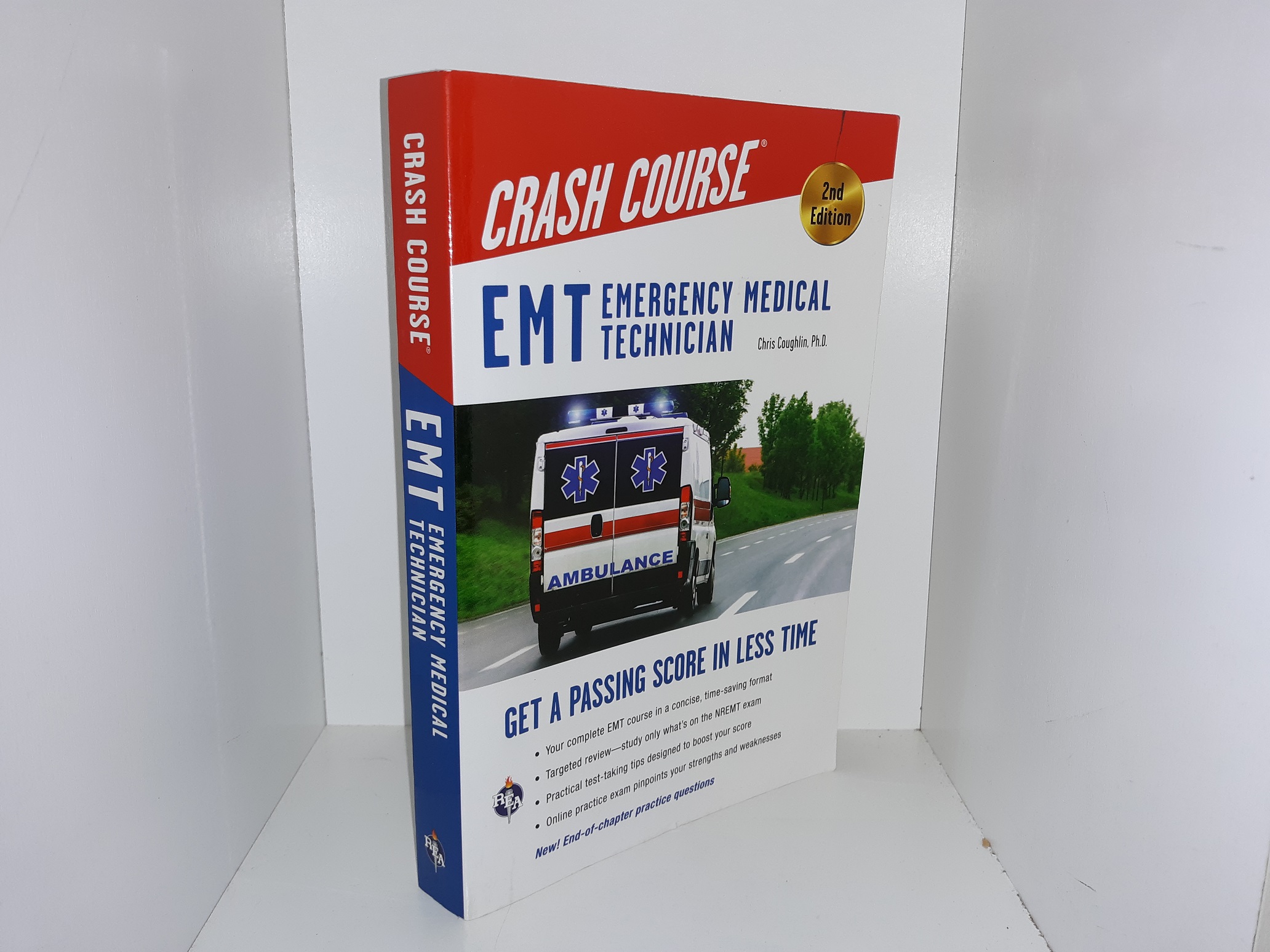
Pro Tips for Learning EMT
- #1Seek out EMT training programs accredited by the Commission on Accreditation of Allied Health Education Programs (CAAHEP).
- #2Complete the required clinical rotations and skills assessments to demonstrate competency in hands-on emergency care.
- #3Obtain CPR, ACLS, and PALS certifications to expand your scope of practice as an EMT.
- #4Stay up-to-date on evolving EMT protocols and technologies through ongoing continuing education.
Why Learn EMT?
- Become eligible for in-demand EMT roles in emergency medical services, fire departments, and other public safety organizations.
- Gain the skills to provide life-saving care and make a direct impact on patients' health outcomes in emergency situations.
- EMT certification is a valuable credential that can complement healthcare, nursing, or first responder career paths.
- Learn transferable skills like critical thinking, crisis management, and teamwork that are applicable across many industries.
Frequently Asked Questions
How to learn EMT for free?▾
While most EMT training programs require tuition fees, some community colleges, fire departments, and EMS agencies offer free or low-cost EMT courses. Explore scholarship and grant opportunities to offset the cost of certification.
Best EMT courses for beginners?▾
The "Emergency Medical Technician (EMT) Foundations" course by the University of Colorado on edX is a top-rated option for EMT beginners, covering foundational skills in patient assessment, emergency care, and ambulance operations.
Is EMT hard to learn?▾
Becoming an EMT requires a significant time commitment, with 150-200 hours of training, as well as demonstrating competency in high-pressure emergency scenarios. However, the training is designed to be accessible for those without prior healthcare experience.
How long to learn EMT?▾
The EMT certification process typically takes 2-6 months to complete, depending on the training program's schedule and format. Full-time EMT courses are often completed in 4-8 weeks, while part-time programs may span 3-6 months.
EMT salary 2026?▾
According to the U.S. Bureau of Labor Statistics, the median annual salary for EMTs is expected to be $36,650 in 2026, with the top 10% of EMTs earning over $58,640. Salaries may vary based on location, employer, and level of EMT certification.
What are the requirements to become an EMT?▾
To become an EMT, you must complete an approved training program, pass the National Registry of Emergency Medical Technicians (NREMT) exam, and obtain state-level EMT certification. Requirements may also include a clean criminal background check, drug screening, and possession of a valid driver's license.