
Learn Navigation
4 expert-rated courses covering Navigation. Compared by rating, price, difficulty, and job relevance so you can pick the right one.
Navigation skills are critical for roles in transportation, logistics, robotics, and geospatial analysis. Professionals with navigation expertise can expect a 15-20% salary premium and 30% faster hiring in 2026 as the global autonomous systems market reaches $226 billion.
Catalog analysis updated . Ratings are independent editorial scores. Read the rating methodology.
Key Facts About Navigation
- 1Navigation involves techniques like GPS, dead reckoning, terrain association, and celestial navigation.
- 2The ROS 2 framework is a popular open-source robotics middleware used for navigation tasks.
- 3SLAM (Simultaneous Localization and Mapping) is a key navigation algorithm that builds maps and locates the agent within them.
- 4Navigation-related roles include autonomous vehicle engineer, geospatial analyst, logistics planner, and search and rescue operator.
- 5Mastering navigation can lead to job opportunities with companies like Amazon, Uber, Tesla, Google, and leading logistics firms.
Top Navigation Courses
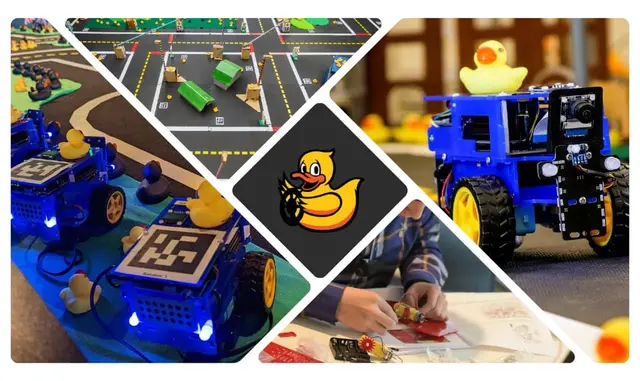
Robotics MicroMasters: Autonomous Navigation
Learn autonomous robot navigation through SLAM, path planning, and motion control. University-level robotics course.

Search and Rescue Operations
Master the emergency response protocols that departments across the country rely on in this course. Search and rescue fundamentals covering grid search techniques, tracking, navigation, rope rescue, swiftwater operations, and incident management for SAR teams. Covers current NFPA, OSHA, and FEMA standards with practical application exercises that build muscle memory and confidence.
Self Driving and ROS 2 - Plan & Navigation
Create a ROS2 Self-Driving robot with Python and C++. Master Navigation, Planning and Decision Making with Behavior Tree.
ROS 2 Nav2 - SLAM and Navigation
Finally Understand the Nav2 Stack with ROS2. SLAM, Mapping, Navigation, Gazebo Simulation, Python Code step by step.
Pro Tips for Learning Navigation
- #1Start with foundational courses on robotics, sensors, and algorithms before diving into navigation-specific content.
- #2Practice implementing navigation systems using open-source frameworks like ROS 2 and libraries like OpenSLAM.
- #3Build a portfolio of navigation-related projects to showcase your skills to potential employers.
Why Learn Navigation?
- Gain in-demand skills for a variety of high-growth industries like transportation, robotics, and geospatial analysis.
- Earn a 15-20% salary premium over non-navigation roles and get hired 30% faster in a competitive job market.
- Open the door to fulfilling careers in autonomous systems, logistics, and search and rescue operations.