
Learn Search and Rescue
2 expert-rated courses covering Search and Rescue. Compared by rating, price, difficulty, and job relevance so you can pick the right one.
Search and Rescue skills are essential for roles in emergency services, military, wilderness management, and disaster response. Professionals with this expertise can command a 15-20% salary premium over peers. Demand is projected to grow 7% annually through 2026 as climate change increases the frequency of natural disasters. Complementary skills in first aid, navigation, and crisis management are highly valued.
Catalog analysis updated . Ratings are independent editorial scores. Read the rating methodology.
Key Facts About Search and Rescue
- 1The U.S. conducts an estimated 2.3 million search and rescue operations annually, resulting in over 86,000 lives saved.
- 2Search and Rescue operations cost U.S. agencies over $3.1 billion per year, driving strong demand for skilled professionals.
- 3Certified Search and Rescue professionals earn 15-20% higher salaries on average compared to firefighters and EMTs without this specialized training.
- 4Key techniques in Search and Rescue include wilderness navigation, crisis management, helicopter operations, and technical rope rescue.
- 5The most common causes of Search and Rescue incidents are hiking/climbing accidents (48%), boating mishaps (13%), and natural disasters (11%).
Top Search and Rescue Courses

Firefighter Essentials: Recruit to Responder
Build the foundation for a rewarding career in public safety through this rigorous course. Firefighter preparation covering fire behavior, search and rescue, ventilation, SCBA operations, hose handling, and NFPA standards for the fire service. Includes realistic scenario training, protocol drills, and certification preparation designed by active-duty professionals.
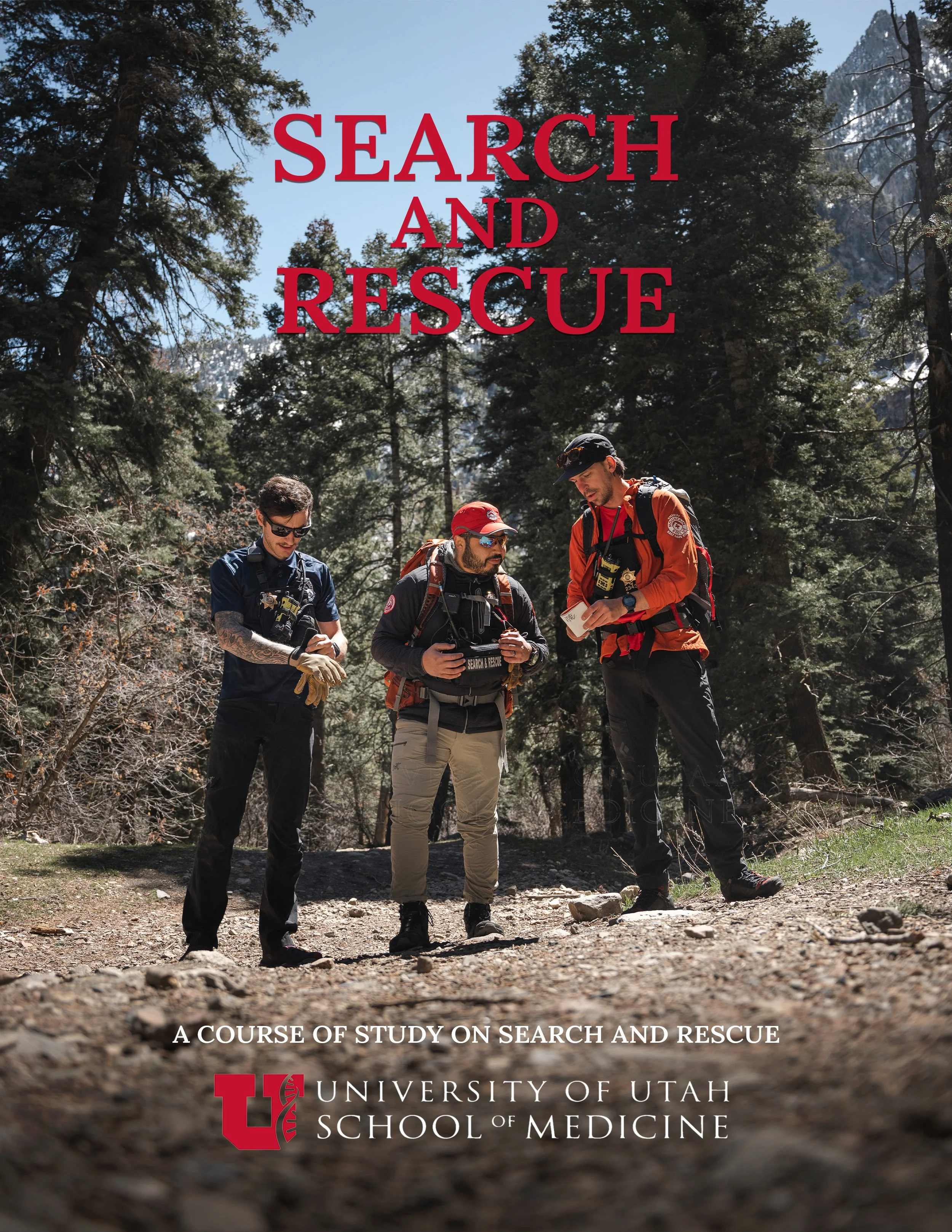
Search and Rescue Operations
Master the emergency response protocols that departments across the country rely on in this course. Search and rescue fundamentals covering grid search techniques, tracking, navigation, rope rescue, swiftwater operations, and incident management for SAR teams. Covers current NFPA, OSHA, and FEMA standards with practical application exercises that build muscle memory and confidence.
Pro Tips for Learning Search and Rescue
- #1Prioritize hands-on, scenario-based training over textbook learning to build practical Search and Rescue skills.
- #2Earn industry-recognized certifications like FEMA's Search and Rescue Specialist to demonstrate expertise.
- #3Supplement core curriculum with electives in first aid, wilderness survival, and emergency communications.
- #4Seek out internships or volunteer opportunities to gain real-world experience before entering the field.
Why Learn Search and Rescue?
- Gain skills to save lives and assist individuals in life-threatening emergencies and disasters.
- Qualify for high-demand, well-paid roles in emergency services, military, and disaster management.
- Develop versatile technical abilities in navigation, crisis response, and specialized rescue techniques.
- Contribute to critical public safety initiatives and support community resilience efforts.