
Learn Sensor Fusion
4 expert-rated courses covering Sensor Fusion. Compared by rating, price, difficulty, and job relevance so you can pick the right one.
Sensor Fusion is a core competency for roles in robotics, autonomous vehicles, and advanced manufacturing. Professionals with this skill can expect a 20-30% salary premium over their peers, as the global Sensor Fusion market is projected to grow at a CAGR of 21% through 2026.
Catalog analysis updated . Ratings are independent editorial scores. Read the rating methodology.
Key Facts About Sensor Fusion
- 1Sensor Fusion integrates data from cameras, LiDAR, radar, GPS, and other sensors to create a comprehensive 3D model of a vehicle's surroundings.
- 2Key Sensor Fusion algorithms include Kalman Filters, Extended Kalman Filters, and Particle Filters to fuse noisy, asynchronous sensor data.
- 3Popular open-source Sensor Fusion frameworks include ROS (Robot Operating System), Apollo, and Autoware - used by leading self-driving companies.
- 4Sensor Fusion requires strong skills in linear algebra, probability/statistics, and control theory to handle sensor errors, occlusions, and system dynamics.
- 5Effective Sensor Fusion can improve autonomous vehicle perception accuracy by 30-50% compared to using individual sensors alone.
Top Sensor Fusion Courses
Sensor Integration with NVIDIA DRIVE
Learn sensor integration for autonomous vehicles using NVIDIA DRIVE. Cover camera, lidar, and radar fusion for self-driving systems.
Self Driving and ROS 2 - Odometry & Control
Create a ROS2 Self-Driving robot with Python and C++. Master Odometry, Control and Sensor Fusion using Kalman Filters.
Self-Driving Cars Specialization - Sensor Fusion
State estimation and localization for self-driving cars from University of Toronto covering Kalman filters, LiDAR, and sensor fusion techniques.
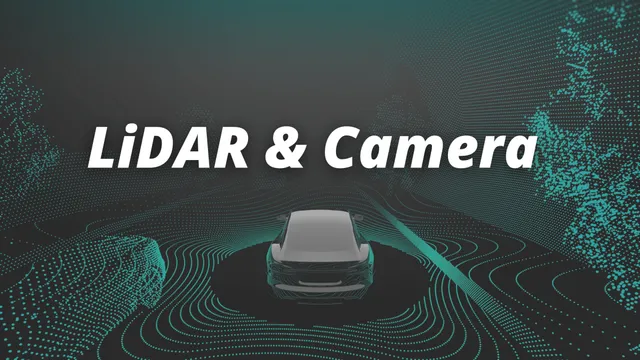
Sensor Fusion: LiDAR, Camera and Radar for Self-Driving
Master multi-sensor fusion for autonomous vehicles: combine LiDAR point clouds, camera images, and radar data for robust perception.
Pro Tips for Learning Sensor Fusion
- #1Start with learning the core Sensor Fusion algorithms like Kalman Filters and Particle Filters from online courses and textbooks.
- #2Practice fusing data from different sensor modalities like camera, LiDAR, and radar using open-source frameworks like ROS.
- #3Build end-to-end projects that integrate Sensor Fusion with motion planning, control, and decision-making to get a holistic understanding.
Why Learn Sensor Fusion?
- Sensor Fusion is a foundational skill for building autonomous robots, drones, and self-driving cars - one of the fastest-growing fields in 2026.
- Learning Sensor Fusion teaches you to build robust perception systems that can handle sensor noise, occlusions, and dynamic environments.
- Mastering Sensor Fusion can open up high-paying roles in industries like automotive, aerospace, and advanced manufacturing.