
Learn life-coaching
3 expert-rated courses covering life-coaching. Compared by rating, price, difficulty, and job relevance so you can pick the right one.
Life Coaches are sought-after across industries, from corporate HR and wellness programs to independent practices and personal development platforms. The average salary for a Life Coach in the United States is $57,000, with top earners making over $85,000 annually. This skill is in high demand as more people prioritize mental health, work-life balance, and personal fulfillment.
Catalog analysis updated . Ratings are independent editorial scores. Read the rating methodology.
Key Facts About life-coaching
- 1Life Coaching involves a collaborative process where a trained professional helps clients identify goals, overcome obstacles, and make sustainable changes.
- 2The International Coaching Federation (ICF) is the global governing body for the coaching profession, with over 35,000 members in more than 140 countries.
- 3Effective Life Coaches utilize a range of techniques, including active listening, powerful questioning, and accountability-based action planning.
- 4According to the 2021 ICF Global Consumer Awareness Study, 33% of adults globally have worked with a coach, and 86% of people who have experienced coaching report that it was a worthwhile investment.
- 5While Life Coaching is not a licensed profession in most regions, many programs offer certifications recognized by industry associations like the ICF, NBHWC, and CCE.
Top life-coaching Courses
Life Coach Certification
Develop comprehensive life coaching skills and obtain professional certification to guide clients through personal transformation. Learn coaching methodologies, client assessment, and goal-setting strategies for career success.

Sports Nutrition & Supplement Science
Launch a rewarding career helping people look and feel their best with this professional-grade course. Evidence-based sports nutrition covering macronutrient timing, supplementation protocols, body composition management, hydration strategies, and competition nutrition planning. Created by licensed professionals with thriving careers, sharing the tips and strategies they wish they'd learned sooner.
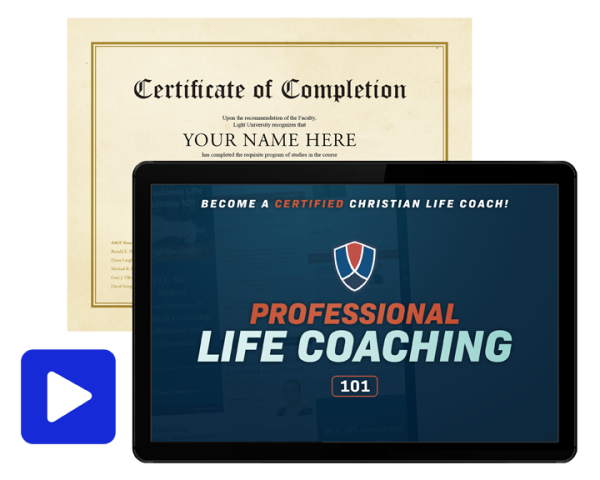
Life Coaching Professional Certification
Develop the artistry and technical precision that set top professionals apart in this course. ICF-aligned life coaching training covering coaching frameworks, active listening, powerful questioning, goal setting, accountability systems, and building a coaching practice. Includes hands-on technique practice, client consultation training, and portfolio development that prepares you for your first day on the job.
Pro Tips for Learning life-coaching
- #1Seek out a program that provides supervised coaching practice and feedback to build practical expertise.
- #2Invest in continuing education to stay up-to-date on the latest coaching frameworks, tools, and industry best practices.
- #3Build a strong professional network by joining coaching associations and participating in peer-to-peer learning communities.
Why Learn life-coaching?
- Develop in-demand coaching skills to help others achieve their personal and professional goals.
- Gain the ability to start your own successful Life Coaching practice or integrate coaching into your current career.
- Enhance your own self-awareness, goal-setting, and personal growth as you learn to apply coaching techniques to your own life.