
All Skills
Skill
Learn ICF
1 expert-rated courses covering ICF. Compared by rating, price, difficulty, and job relevance so you can pick the right one.
ICF-certified coaches are highly sought after in fields like management consulting, human resources, and executive coaching, where the average salary uplift can reach 20-30% compared to non-certified peers. Demand for ICF-credentialed coaches is projected to grow 18% by 2026 as organizations invest more in talent development and leadership training.
The International Coach Federation (ICF) is the leading global organization dedicated to advancing the coaching profession. As coaching becomes increasingly essential for career growth and personal development in 2026, SkillsetCourse.com offers 1 expert-rated ICF course to help learners develop this in-demand skill. ICF certification is valued by organizations across industries, from corporate leadership development to life coaching and beyond.
1
Courses
8.1/10
Avg Rating
0
Free Options
1
With Certificate
Catalog analysis updated . Ratings are independent editorial scores. Read the rating methodology.
Key Facts About ICF
- 1The ICF offers 3 levels of coaching certification: Associate, Professional, and Master Certified Coach.
- 2ICF-accredited coach training programs must meet rigorous standards for curriculum, instruction, and student outcomes.
- 3Over 40,000 coaches in 145 countries are currently ICF credentialed.
- 4The ICF Code of Ethics ensures high integrity and professionalism among its certified coaches.
- 5ICF coach certification requires a minimum of 60-125 hours of coach-specific training, depending on the credential level.
Available on
Top ICF Courses
Pro Tips for Learning ICF
- #1Start your ICF journey with the Associate Certified Coach (ACC) credential, which has lower training hour requirements.
- #2Seek out an ICF-accredited coach training program to ensure your education meets global coaching standards.
- #3Actively build your coaching practice through supervised coaching hours and feedback from mentor coaches.
- #4Regularly attend ICF chapter meetings and conferences to network with other credentialed coaches.
Why Learn ICF?
- Earn a globally-recognized coaching credential to differentiate yourself in the job market.
- Develop essential coaching skills like active listening, powerful questioning, and goal-setting.
- Access a worldwide network of ICF-credentialed coaches for mentorship and collaboration.
- Gain the confidence and competence to guide clients toward meaningful, lasting change.
Frequently Asked Questions
How to learn ICF for free?▾
While the full ICF certification process does require paid coach-specific training, there are many free resources available to learn the core coaching competencies. Start with the ICF's Code of Ethics, explore their online knowledge library, and join local ICF chapter events to gain exposure to the coaching mindset and methodology.
Best ICF courses for beginners?▾
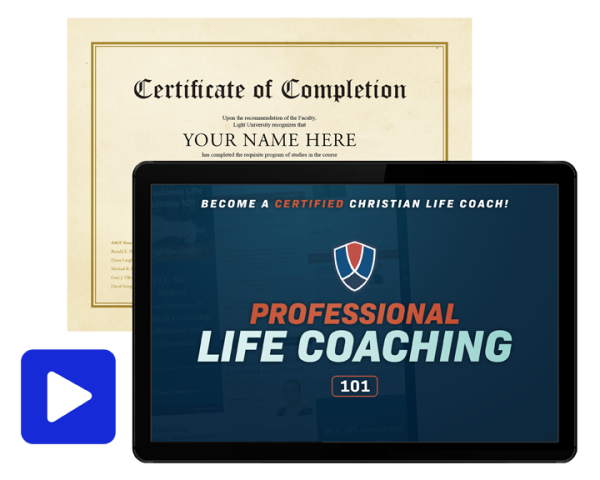
SkillsetCourse.com currently offers 1 highly-rated ICF course: 'Life Coaching Professional Certification' by the University of California, Davis. This 40-hour program covers the essential ICF coaching competencies and prepares learners for the ACC credential exam.
Is ICF hard to learn?▾
The ICF coaching framework is research-based and evidence-informed, so it does require a significant investment of time and effort to master. However, the core skills like active listening, powerful questioning, and goal-setting can be learned incrementally through practice and feedback from experienced coaches.
How long to learn ICF?▾
The time needed to earn an ICF credential depends on the level you're pursuing. The Associate Certified Coach (ACC) credential requires a minimum of 60 hours of coach-specific training, while the Professional Certified Coach (PCC) requires 125 hours. Many aspiring coaches complete their initial training in 3-6 months, then accumulate the necessary coaching experience over 6-12 months to become credentialed.
ICF salary 2026?▾
According to industry projections, the average salary for ICF-credentialed coaches in 2026 is expected to be $80,000-$120,000 per year, representing a 20-30% premium over non-certified peers. Factors like coaching specialty, years of experience, and geographic location can also impact earning potential for ICF coaches.
What are the benefits of ICF certification?▾
The key benefits of earning an ICF coaching credential include global recognition, adherence to rigorous ethical standards, access to a worldwide network of certified coaches, and a competitive edge in the job market. ICF-credentialed coaches also report higher client satisfaction, greater career opportunities, and the ability to command higher fees compared to non-certified peers.