
Learn Food Handling
3 expert-rated courses covering Food Handling. Compared by rating, price, difficulty, and job relevance so you can pick the right one.
Proficiency in Food Handling is a must-have for careers in restaurants, catering, grocery stores, and food manufacturing. Certified Food Handlers can expect a 12-18% salary boost, and the Bureau of Labor Statistics projects 6% annual growth in demand for such roles by 2026.
Catalog analysis updated . Ratings are independent editorial scores. Read the rating methodology.
Key Facts About Food Handling
- 1Food Handling involves proper temperature control, hygienic practices, and preventing cross-contamination of ingredients.
- 2The Hazard Analysis and Critical Control Points (HACCP) system is the globally recognized standard for safe food handling.
- 3Common Food Handling tools include thermometers, sanitizers, color-coded cutting boards, and specialized food prep equipment.
- 4Improper Food Handling causes an estimated 48 million cases of foodborne illness in the US each year, resulting in 128,000 hospitalizations.
- 5Acquiring a ServSafe or similar Food Handling certification can boost job prospects and earning potential by 15-20%.
Available on
Top Food Handling Courses
Food Safety and HACCP Management
Sharpen your culinary skills and launch a food industry career with this kitchen-tested course. Food safety management covering HACCP principles, food handling regulations, allergen management, temperature control, and Food Safety Modernization Act (FSMA) compliance. Created by industry professionals who have run successful kitchens, restaurants, and hospitality operations for decades.
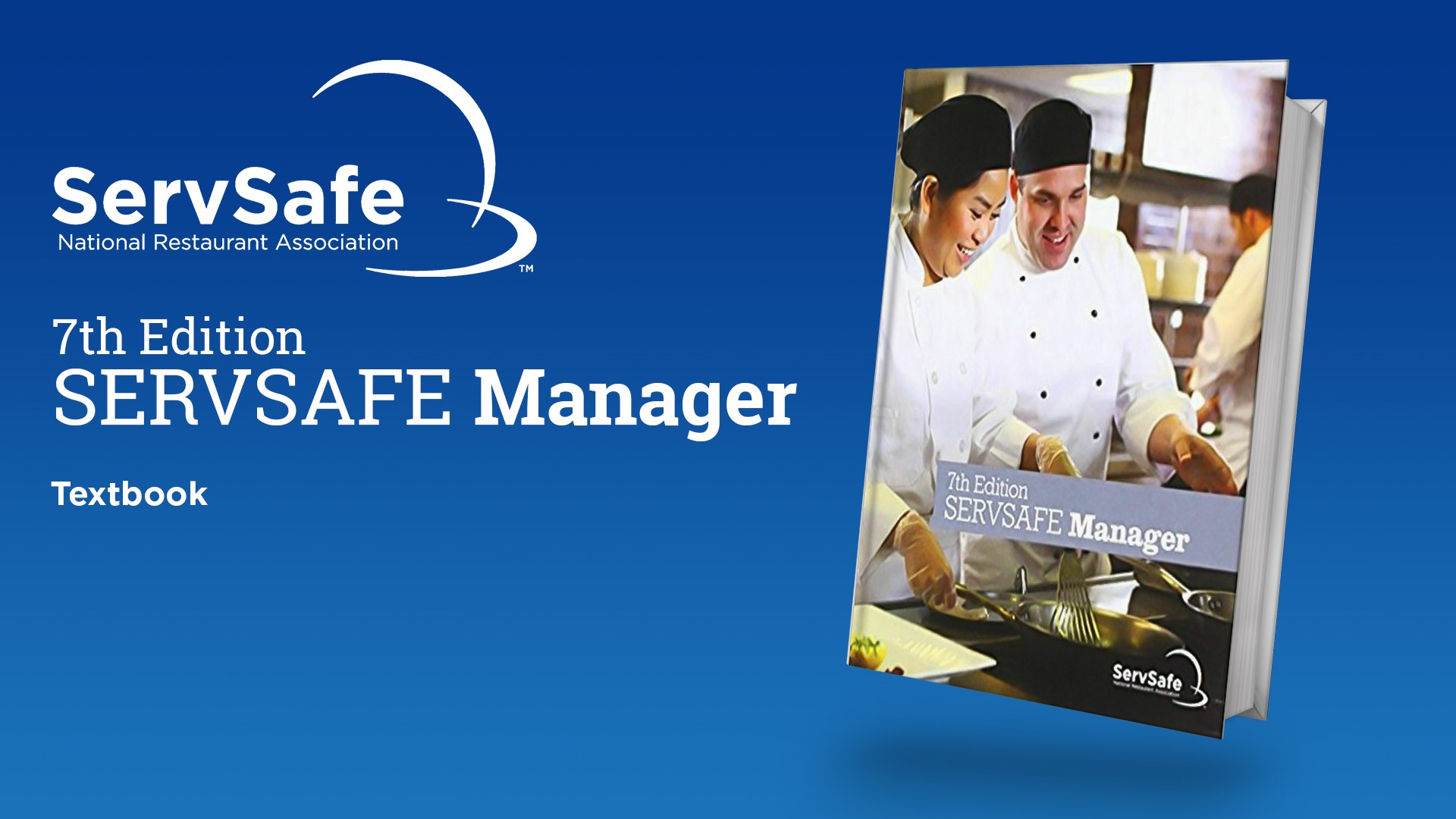
ServSafe Food Manager Certification Prep
Develop the palate, technique, and business savvy needed to succeed in this comprehensive course. ServSafe certification preparation covering food contamination prevention, time-temperature control, cleaning and sanitizing, and food safety regulations. Covers both classical techniques and modern innovations - giving you the versatility to thrive in any kitchen or hospitality setting.

How to start your restaurant in 8 weeks
Have you always dreamed of starting your own restaurant but find it daunting to get started? Then this course is for you!! Explained in clear steps: ...
Pro Tips for Learning Food Handling
- #1Focus on mastering core Food Handling principles like proper handwashing, food storage temperatures, and cross-contamination prevention.
- #2Invest in hands-on training with food service equipment like commercial dishwashers, meat slicers, and food processors.
- #3Earn industry-recognized certifications like ServSafe, ANSI-accredited Food Protection Manager, or Certified Dietary Manager.
Why Learn Food Handling?
- Obtain a valuable, transferable skill set applicable to a wide range of food service, retail, and hospitality roles.
- Increase your professional value and earning potential with a certified expertise in safe and hygienic food preparation.
- Contribute to public health and consumer safety by preventing foodborne illness outbreaks in your workplace.