
Learn FDA Regulations
3 expert-rated courses covering FDA Regulations. Compared by rating, price, difficulty, and job relevance so you can pick the right one.
Professionals in quality assurance, regulatory affairs, and operations roles in the food, drug, and medical device industries must demonstrate deep expertise in FDA Regulations to ensure compliance and mitigate risks. Jobs requiring this skill command 15-25% higher salaries, and demand is projected to grow 12-18% annually through 2026 as regulations continue to evolve.
Catalog analysis updated . Ratings are independent editorial scores. Read the rating methodology.
Key Facts About FDA Regulations
- 1The FDA regulates over $2.6 trillion worth of consumer products, about 25 cents of every dollar spent by Americans.
- 2There are over 3,000 pages of FDA regulations across the Code of Federal Regulations (CFR) governing food, drugs, cosmetics, and more.
- 3Violating FDA regulations can result in fines up to $1 million per violation and potential criminal prosecution for company executives.
- 4The FDA conducts over 160,000 inspections of regulated facilities each year to ensure compliance with regulations.
- 5The FDA Modernization Act of 1997 significantly reformed the agency's regulatory processes to accelerate reviews and approvals.
Top FDA Regulations Courses
Food Safety and HACCP Management
Sharpen your culinary skills and launch a food industry career with this kitchen-tested course. Food safety management covering HACCP principles, food handling regulations, allergen management, temperature control, and Food Safety Modernization Act (FSMA) compliance. Created by industry professionals who have run successful kitchens, restaurants, and hospitality operations for decades.
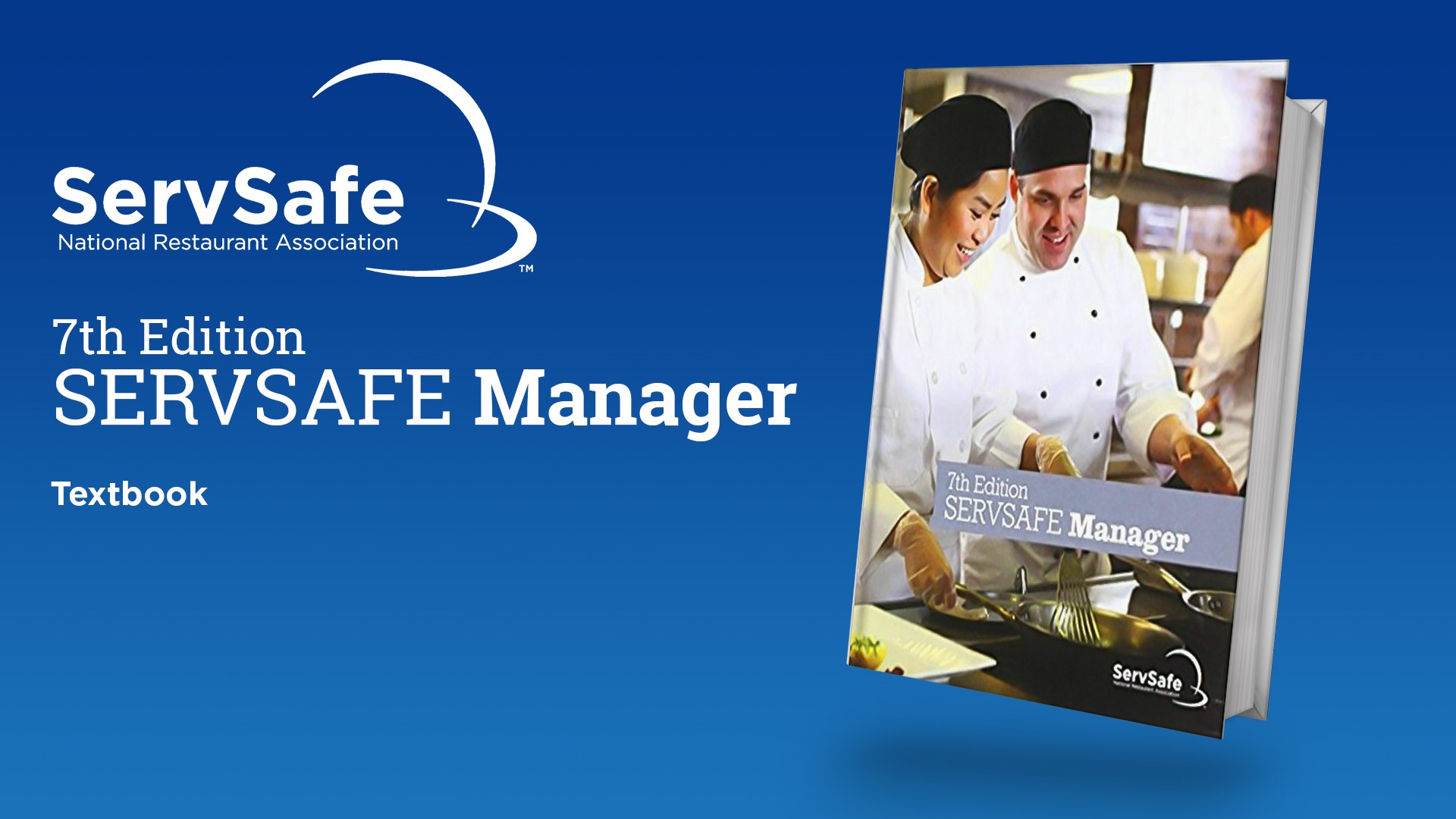
ServSafe Food Manager Certification Prep
Develop the palate, technique, and business savvy needed to succeed in this comprehensive course. ServSafe certification preparation covering food contamination prevention, time-temperature control, cleaning and sanitizing, and food safety regulations. Covers both classical techniques and modern innovations - giving you the versatility to thrive in any kitchen or hospitality setting.
Lean Six Sigma Green Belt Certification
Sharpen your culinary skills and launch a food industry career with this kitchen-tested course. Lean Six Sigma Green Belt preparation covering DMAIC methodology, statistical process control, root cause analysis, value stream mapping, and process improvement. Created by industry professionals who have run successful kitchens, restaurants, and hospitality operations for decades.
Pro Tips for Learning FDA Regulations
- #1Start by mastering the core FDA regulations for your specific industry - food, drug, or medical device.
- #2Supplement online courses with hands-on experience through internships or entry-level roles at regulated companies.
- #3Keep up with regulatory changes by subscribing to FDA newsletters and industry publications.
- #4Earn professional certifications like the RQAP-GLP to demonstrate specialized FDA Regulations expertise.
Why Learn FDA Regulations?
- Gain in-demand expertise to work in quality, regulatory, or operations roles at food, drug, and medical device companies.
- Earn 15-25% higher salaries compared to industry peers without FDA Regulations knowledge.
- Qualify for promotions and career advancement opportunities in compliance-critical functions.
- Contribute to safeguarding public health and safety by ensuring products meet rigorous FDA standards.