
Learn VR
5 expert-rated courses covering VR. Compared by rating, price, difficulty, and job relevance so you can pick the right one.
VR skills are highly sought-after in a wide range of industries, from gaming and entertainment to healthcare, e-commerce, and architectural design. The average salary for VR developers is projected to increase by 25% by 2026 as the global VR market reaches $82.1 billion.
Catalog analysis updated . Ratings are independent editorial scores. Read the rating methodology.
Key Facts About VR
- 1VR is powered by specialized headsets that track head and eye movements to render a realistic 3D environment.
- 2Unity and Unreal Engine are the leading game engines used to build immersive VR experiences across PC, mobile, and console platforms.
- 3WebXR is an emerging standard that enables the creation of VR/AR content directly within web browsers, increasing accessibility.
- 4Haptic feedback, such as vibrations and force feedback, enhances the realism of VR interactions.
- 5The COVID-19 pandemic accelerated the adoption of VR for remote collaboration, virtual events, and training purposes.
Top VR Courses
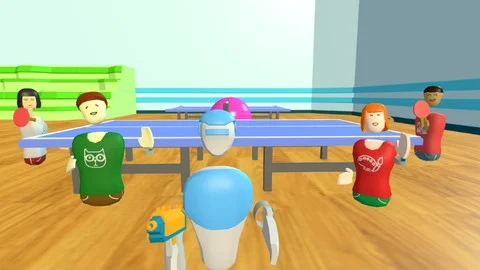
Multiplayer Virtual Reality (VR) Development With Unity
Learn the basics of Multiplayer Virtual Reality by building a fully functional project from scratch using Unity and networking.
Learn to Create WebXR, VR and AR, Experiences Using Three.JS
Harness the WebXR API and Three.JS to bring immersive VR and AR experiences to the browser, including Oculus Quest support.

Virtual Reality Specialization
Comprehensive VR specialization from University of London covering 3D interaction design, VR development, and user experience for immersive environments.
Introduction to AR/VR/MR/XR: Technologies, Applications & Issues
Explore augmented, virtual, mixed the extended reality technologies, their applications across industries, and key design considerations from University of Michigan.
Extended Reality (XR) - Building AR | VR | MR Projects
Build your own projects on VR, AR and MR apps with 3D game development covering the full extended reality spectrum.
Pro Tips for Learning VR
- #1Start with basic Unity or Unreal Engine tutorials to understand 3D game development fundamentals.
- #2Experiment with free VR development tools like A-Frame and WebXR to build browser-based VR experiences.
- #3Invest in a quality VR headset, such as the Oculus Quest 2 or HTC Vive, to test your creations in a true VR environment.
Why Learn VR?
- Gain in-demand skills to build cutting-edge VR applications and experiences across gaming, enterprise, and consumer markets.
- Become a part of the rapidly growing VR industry, which is expected to reach $82.1 billion in global market value by 2026.
- Enjoy the creative freedom and technical challenge of designing intuitive, immersive virtual environments.