
Learn Virtual Reality
2 expert-rated courses covering Virtual Reality. Compared by rating, price, difficulty, and job relevance so you can pick the right one.
Virtual Reality skills are in high demand across gaming, entertainment, architecture, engineering, and medical fields. According to Payscale, the average VR Developer salary in the US is $88,000, with the job market projected to grow 31% by 2026. Complementary skills like 3D modeling, game design, and computer vision can further boost VR career prospects.
Catalog analysis updated . Ratings are independent editorial scores. Read the rating methodology.
Key Facts About Virtual Reality
- 1The global Virtual Reality market was valued at $15.8 billion in 2020 and is expected to reach $69.6 billion by 2026, growing at a CAGR of 28%.
- 2Leading VR headset manufacturers include Meta (Oculus), HTC, Valve, Sony, and Microsoft.
- 3Common Virtual Reality applications include gaming, entertainment, training, visualization, and remote collaboration.
- 4Key Virtual Reality technologies include head-mounted displays (HMDs), motion tracking, spatial audio, and haptic feedback.
- 5To create VR experiences, developers typically use game engines like Unity and Unreal, as well as 3D modeling software like Blender and Maya.
Top Virtual Reality Courses
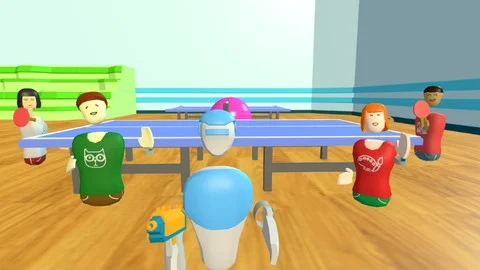
Multiplayer Virtual Reality (VR) Development With Unity
Learn the basics of Multiplayer Virtual Reality by building a fully functional project from scratch using Unity and networking.
Virtual Reality Specialization
Comprehensive VR specialization from University of London covering 3D interaction design, VR development, and user experience for immersive environments.
Pro Tips for Learning Virtual Reality
- #1Start by learning 3D modeling, game development, and Unity/Unreal Engine skills
- #2Experiment with affordable VR headsets like Oculus Quest 2 or HTC Vive
- #3Build a portfolio of VR projects to showcase your skills to employers
- #4Stay up-to-date on the latest VR hardware, software, and industry trends
Why Learn Virtual Reality?
- Develop in-demand skills for the rapidly growing Virtual Reality industry
- Build innovative VR applications for entertainment, training, or visualization
- Increase earning potential as a VR Developer or Designer
- Gain a competitive edge in fields like gaming, architecture, and engineering