
All Skills
Skill
Learn Radar
1 expert-rated courses covering Radar. Compared by rating, price, difficulty, and job relevance so you can pick the right one.
Radar skills are in high demand across industries like transportation, aerospace, defense, and manufacturing. Professionals with Radar expertise can expect a salary premium of 15-25% over general engineering roles. Radar skills are also complementary to Machine Learning, Computer Vision, and Sensor Fusion, making graduates highly sought-after.
Radar is a technology that uses radio waves to detect and track objects, measure distances, and create images. As autonomous vehicles, smart cities, and Industry 4.0 continue to advance, radar's role in powering these innovations will be essential in 2026. SkillsetCourse.com currently offers 1 expert-rated course on Radar, covering applications like self-driving cars, robotics, and aerospace.
1
Courses
8.2/10
Avg Rating
0
Free Options
1
With Certificate
Catalog analysis updated . Ratings are independent editorial scores. Read the rating methodology.
Key Facts About Radar
- 1Radar stands for 'Radio Detection and Ranging', using radio waves to sense the environment.
- 2Common radar applications include self-driving cars, drones, weather forecasting, air traffic control, and security surveillance.
- 3Radar systems can measure speed, distance, and direction of moving objects with high accuracy and reliability.
- 4Modern radar leverages digital signal processing and machine learning to enhance target detection and classification.
- 5Global radar market is projected to grow from $33.1 billion in 2021 to $45.5 billion by 2026, a CAGR of 6.6%.
Available on
Top Radar Courses
Pro Tips for Learning Radar
- #1Start with a foundational course covering radar principles, signal processing, and common use cases.
- #2Practice hands-on projects integrating radar sensors with microcontrollers or SBCs like Raspberry Pi or Arduino.
- #3Learn complementary skills like machine learning, computer vision, and sensor fusion to unlock advanced radar applications.
- #4Stay up-to-date with the latest radar research, technologies, and industry trends through online communities and publications.
Why Learn Radar?
- Develop a highly valuable, future-proof skill set for autonomous systems, robotics, and smart infrastructure.
- Gain a competitive edge in industries like transportation, aerospace, and manufacturing that rely heavily on radar technology.
- Become an expert in sensor fusion, combining radar data with camera, LiDAR, and other inputs for advanced perception.
- Contribute to the development of next-gen technologies that will transform our cities, transportation, and the way we live.
Frequently Asked Questions
How to learn Radar for free?▾
While SkillsetCourse.com does not currently offer any free Radar courses, there are many free online resources to get started. Watch introductory Radar videos on YouTube, read technical white papers, and explore open-source radar projects on platforms like GitHub.
Best Radar courses for beginners?▾
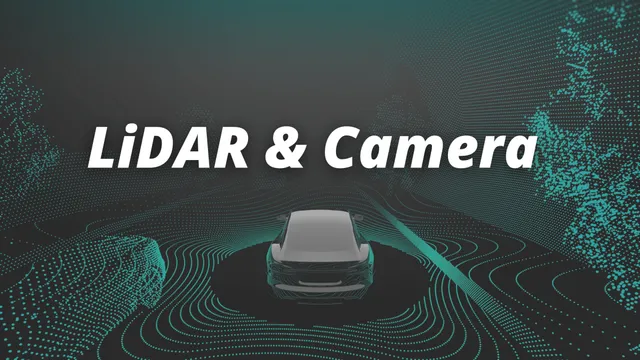
For beginners, the top-rated "Sensor Fusion: LiDAR, Camera and Radar for Self-Driving" course on Udemy by Dr. Andreas Haja provides a comprehensive introduction to Radar principles, applications, and integration with other sensor modalities.
Is Radar hard to learn?▾
Radar requires a solid understanding of electromagnetic theory, signal processing, and applied mathematics. However, with the right foundational knowledge and hands-on practice, Radar can be learned by motivated students from diverse technical backgrounds.
How long to learn Radar?▾
The time to become proficient in Radar can vary significantly based on your prior experience and learning goals. A beginner can gain a solid understanding of Radar fundamentals through a 20-30 hour online course. Mastering advanced radar signal processing and sensor fusion may take several months to a year of dedicated study and project work.
Radar salary 2026?▾
Radar skills are expected to be in high demand in 2026, with professionals commanding a 15-25% premium over general engineering roles. According to industry projections, the average Radar engineer salary could range from $85,000 to $120,000 per year, depending on experience, location, and industry.
What skills pair well with Radar?▾
To fully leverage Radar's capabilities, complementary skills in areas like Machine Learning, Computer Vision, Signal Processing, and Sensor Fusion are highly valuable. Professionals skilled in integrating Radar with other perception sensors like cameras and LiDAR will be in high demand for autonomous systems, smart cities, and Industry 4.0 applications.