
Learn emergency-care
2 expert-rated courses covering emergency-care. Compared by rating, price, difficulty, and job relevance so you can pick the right one.
Emergency care skills are highly valued across healthcare, public safety, and disaster response industries. Emergency medical technicians (EMTs) and paramedics can earn 15-20% higher salaries compared to other healthcare roles. Demand for emergency care specialists is projected to grow 11% by 2026 as the frequency and severity of medical emergencies increases globally.
Catalog analysis updated . Ratings are independent editorial scores. Read the rating methodology.
Key Facts About emergency-care
- 1The two primary types of emergency care are basic life support (BLS) and advanced life support (ALS).
- 2Key emergency care skills include CPR, wound treatment, oxygen therapy, patient assessment, and emergency vehicle operation.
- 3Effective emergency care can reduce mortality rates for critical conditions like heart attacks, strokes, and major trauma by over 30%.
- 4Common emergency care settings include ambulances, hospital emergency departments, and mobile medical units deployed to disaster sites.
- 5Emergency care providers must undergo extensive training, certification, and ongoing continuing education to maintain their skills.
Top emergency-care Courses
Advanced Clinical Decisions Emergency Care Training
Develop advanced clinical decision-making skills for emergency and critical care environments. Master rapid assessment, triage protocols, and evidence-based interventions for acute medical and trauma situations.
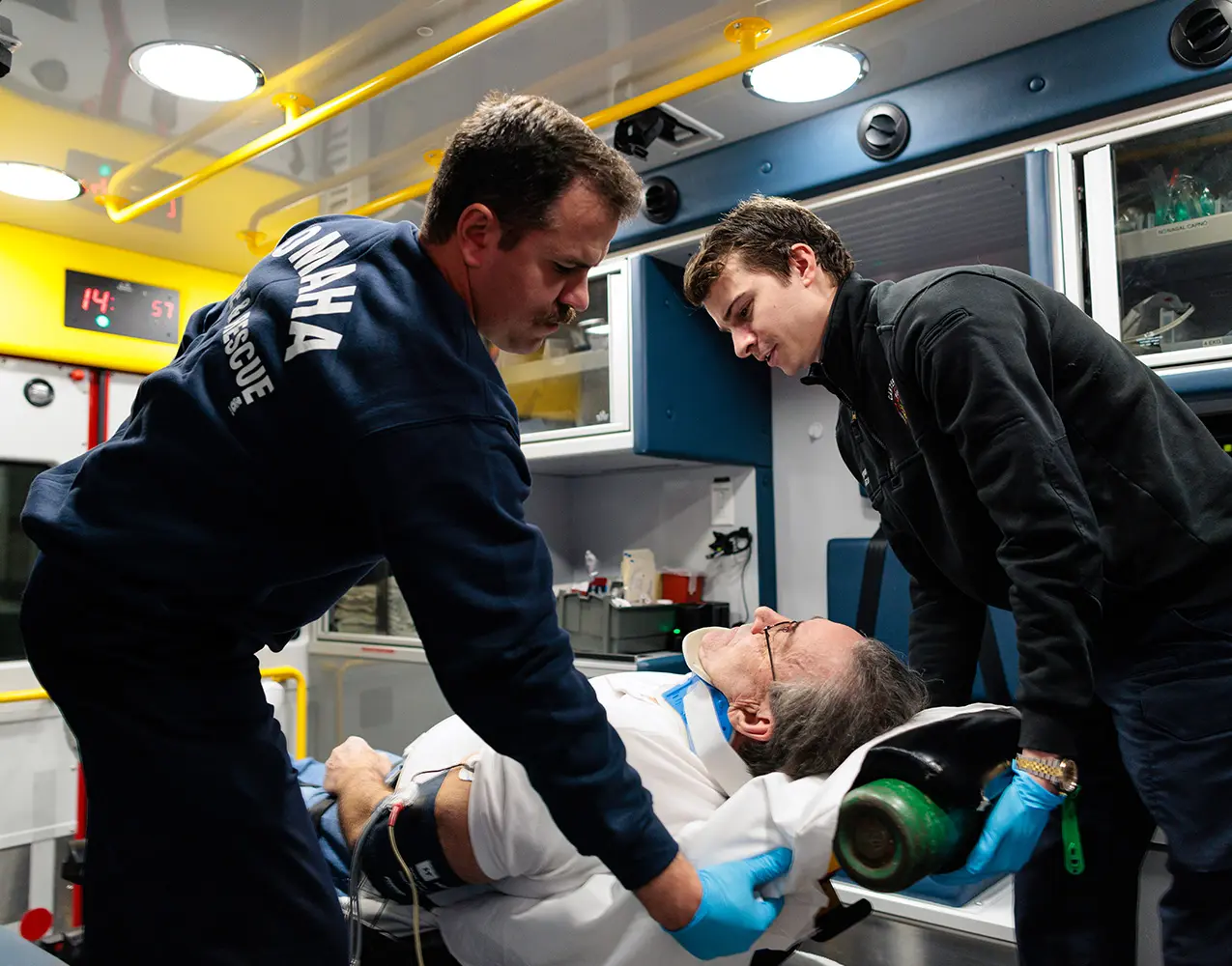
Paramedic Science & Advanced Emergency Care
Gain the specialized training that first responders need to perform under pressure in this course. Advanced paramedic training covering cardiac emergencies, pharmacology, trauma assessment, airway management, and pre-hospital clinical decision-making. Features incident command system training, communication protocols, and leadership exercises that mirror real emergency operations.
Pro Tips for Learning emergency-care
- #1Seek hands-on clinical training with real-world simulation exercises to build practical emergency care skills.
- #2Obtain key certifications like EMT-Basic, EMT-Paramedic, or ACLS to demonstrate your qualifications.
- #3Stay up-to-date on the latest emergency care protocols, equipment, and best practices through continuing education.
- #4Develop strong communication, teamwork, and crisis management abilities to excel in emergency response roles.
Why Learn emergency-care?
- Gain in-demand skills to work as an emergency medical technician, paramedic, or first responder.
- Develop the ability to save lives and provide critical care during medical emergencies and disasters.
- Enhance your medical knowledge and clinical decision-making abilities across healthcare roles.
- Qualify for higher-earning, specialized roles within the rapidly growing emergency services industry.