
Learn Trauma
2 expert-rated courses covering Trauma. Compared by rating, price, difficulty, and job relevance so you can pick the right one.
Trauma skills are in high demand across healthcare, law enforcement, and social services roles. Trauma-informed professionals can earn 15-25% higher salaries compared to generalists. Demand for trauma expertise is growing 12-17% annually as communities continue to grapple with violence, natural disasters, and other crises. Pairing trauma skills with counseling, crisis management, or public policy can further enhance career prospects.
Catalog analysis updated . Ratings are independent editorial scores. Read the rating methodology.
Key Facts About Trauma
- 1Trauma can lead to physical injuries, PTSD, anxiety, and other mental health issues.
- 2The global trauma care market is projected to reach $49.5 billion by 2026, growing 8.4% annually.
- 3Trauma-informed care principles include safety, trustworthiness, choice, collaboration, and empowerment.
- 4Psychological first aid is a core trauma response framework focused on calming, connecting, and supporting survivors.
- 5Trauma-focused cognitive behavioral therapy is a leading evidence-based treatment for PTSD in children and adults.
Top Trauma Courses
Psychological First Aid
Gain practical, patient-centered training through this industry-aligned course. Johns Hopkins course on providing evidence-based psychological first aid to people affected by disasters and traumatic events. Used by FEMA and Red Cross responders. You'll work through real-world case studies, clinical simulations, and assessment-ready practice modules designed to build confidence from day one.
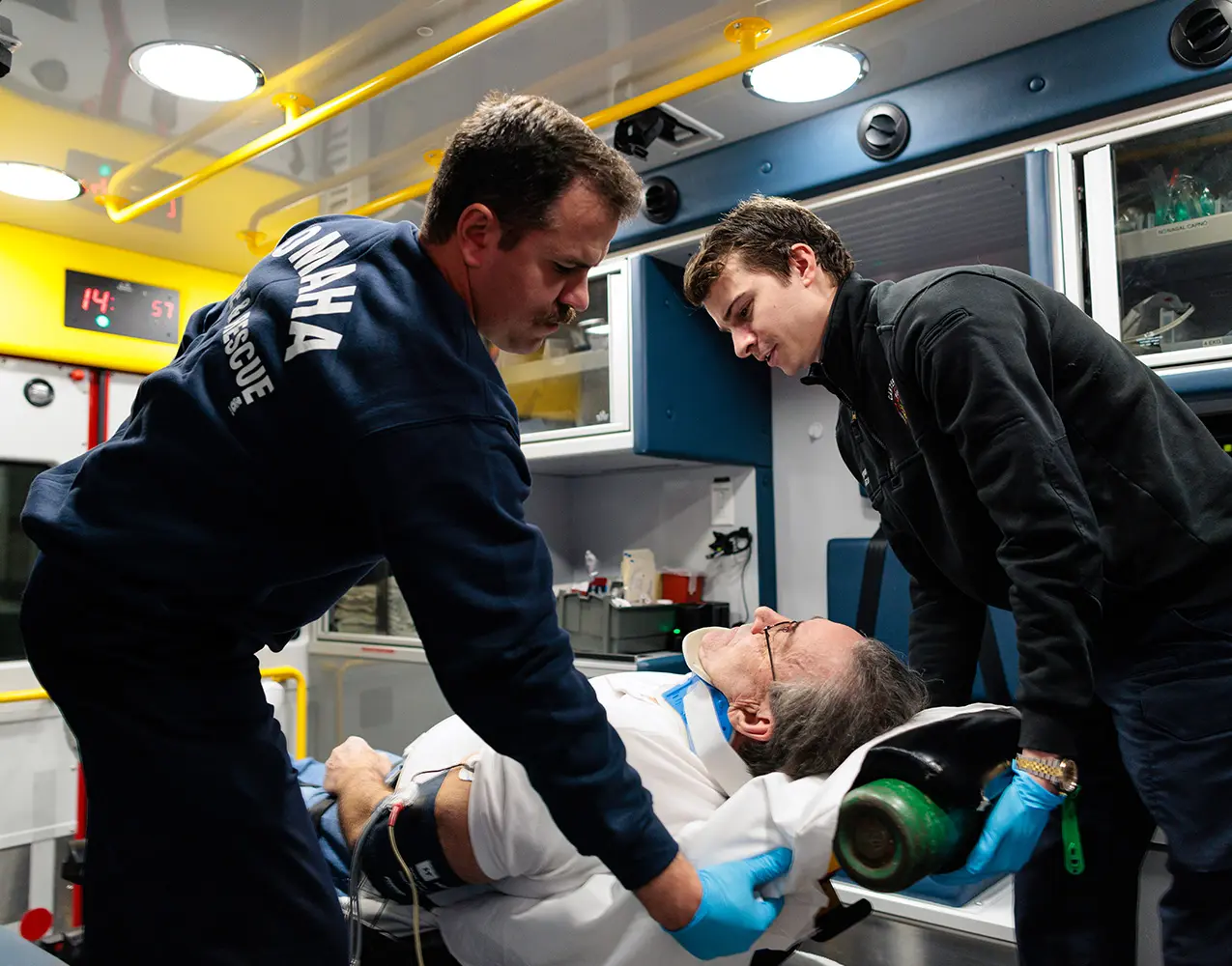
Paramedic Science & Advanced Emergency Care
Gain the specialized training that first responders need to perform under pressure in this course. Advanced paramedic training covering cardiac emergencies, pharmacology, trauma assessment, airway management, and pre-hospital clinical decision-making. Features incident command system training, communication protocols, and leadership exercises that mirror real emergency operations.
Pro Tips for Learning Trauma
- #1Start with foundational trauma courses to grasp core concepts, then pursue specialized certifications.
- #2Supplement online learning with hands-on training through internships or volunteering.
- #3Seek out mentorship from experienced trauma-informed professionals in your field.
- #4Stay up-to-date on the latest research, techniques, and best practices in trauma-informed care.
Why Learn Trauma?
- Develop critical skills for responding to crises and supporting trauma survivors in healthcare, public safety, and social work.
- Increase your earning potential by 15-25% in roles requiring trauma expertise.
- Gain in-demand knowledge to work in fast-growing fields like emergency management and victim services.
- Build a versatile skillset applicable across diverse industries and career paths.