
Learn Ecology
3 expert-rated courses covering Ecology. Compared by rating, price, difficulty, and job relevance so you can pick the right one.
Ecologists are in high demand across industries like environmental protection, natural resource management, urban planning, and more. Ecology skills can boost salaries by $10,000-$20,000 annually, and the field is projected to grow 8% faster than the overall job market through 2026. Complementary skills like data analysis, GIS mapping, and project management pair well with Ecology expertise.
Catalog analysis updated . Ratings are independent editorial scores. Read the rating methodology.
Key Facts About Ecology
- 1Ecology focuses on how living organisms interact with each other and their physical environment.
- 2The 3 main levels of ecological study are organism, population, and ecosystem.
- 3Key ecological concepts include biodiversity, sustainability, adaptation, and the carbon cycle.
- 4Ecologists use tools like field sampling, computer modeling, and satellite imagery to collect data.
- 5Careers in Ecology span conservation, environmental consulting, urban planning, and more.
Available on
Top Ecology Courses
Wildlife Conservation and Ecology
Gain the practical knowledge to manage natural resources responsibly in this field-ready course. Wildlife conservation science covering habitat management, population ecology, conservation genetics, human-wildlife conflict, and protected area management strategies. Features real-world case studies from working farms, conservation projects, and environmental agencies across multiple ecosystems.
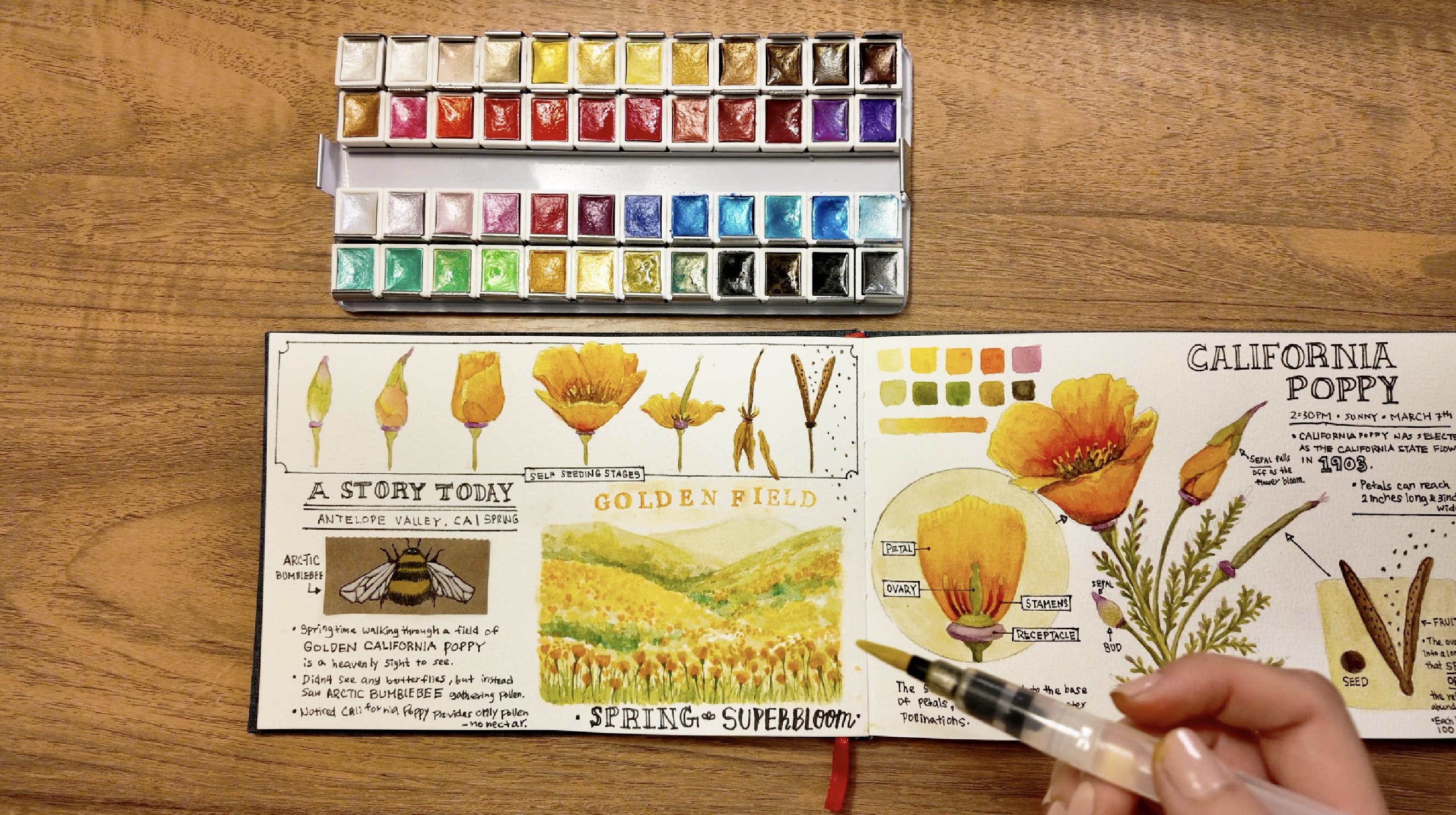
Nature Journaling: Drawing from Observation Using Watercolors
Welcome nature lovers! Join me as we step outdoors to create nature journals filled with beautiful watercolor illustrations. By drawing and sketching nature ...

Nature Journal: Drawing Ideas for Summer
In this class, we'll take our sketchbook out into nature and sketch the summer. I will share lots of different ideas for drawing in your sketchbook now that ...
Pro Tips for Learning Ecology
- #1Supplement coursework with hands-on field experience through internships or volunteer work.
- #2Master GIS software and data visualization techniques to effectively communicate ecological insights.
- #3Build programming skills in Python or R to automate data analysis and modeling workflows.
- #4Stay up-to-date on the latest research by following leading Ecology journals and experts.
Why Learn Ecology?
- Develop in-demand expertise to protect threatened habitats and endangered species.
- Learn to analyze complex environmental systems and make data-driven decisions.
- Gain skills applicable to growing fields like renewable energy, waste management, and climate change mitigation.
- Become an expert in sustainability principles to drive positive environmental impact.