
Learn Conservation
2 expert-rated courses covering Conservation. Compared by rating, price, difficulty, and job relevance so you can pick the right one.
Conservation skills are highly sought after in industries like environmental consulting, wildlife management, national parks, NGOs, and government agencies. Conservation professionals earn 15-25% higher salaries than average, and employment is projected to grow 8-12% per year through 2026 as sustainability becomes a top priority. Strong skills in data analysis, GIS, and field research are valuable complements.
Catalog analysis updated . Ratings are independent editorial scores. Read the rating methodology.
Key Facts About Conservation
- 1Conservation encompasses protecting threatened/endangered species, restoring habitats, and implementing sustainable land/resource management practices.
- 2There are over 8 million known species on Earth, with millions more yet to be discovered - conservation efforts aim to prevent further biodiversity loss.
- 3Global investment in conservation and environmental protection reached $124 billion in 2021, a 6.5% increase over 2020.
- 4Protected areas like national parks and wildlife refuges cover over 15% of the world's land and 7% of the oceans.
- 5The 'Rewilding' conservation movement seeks to restore natural ecosystems by reintroducing native species and removing invasive ones.
Available on
Top Conservation Courses
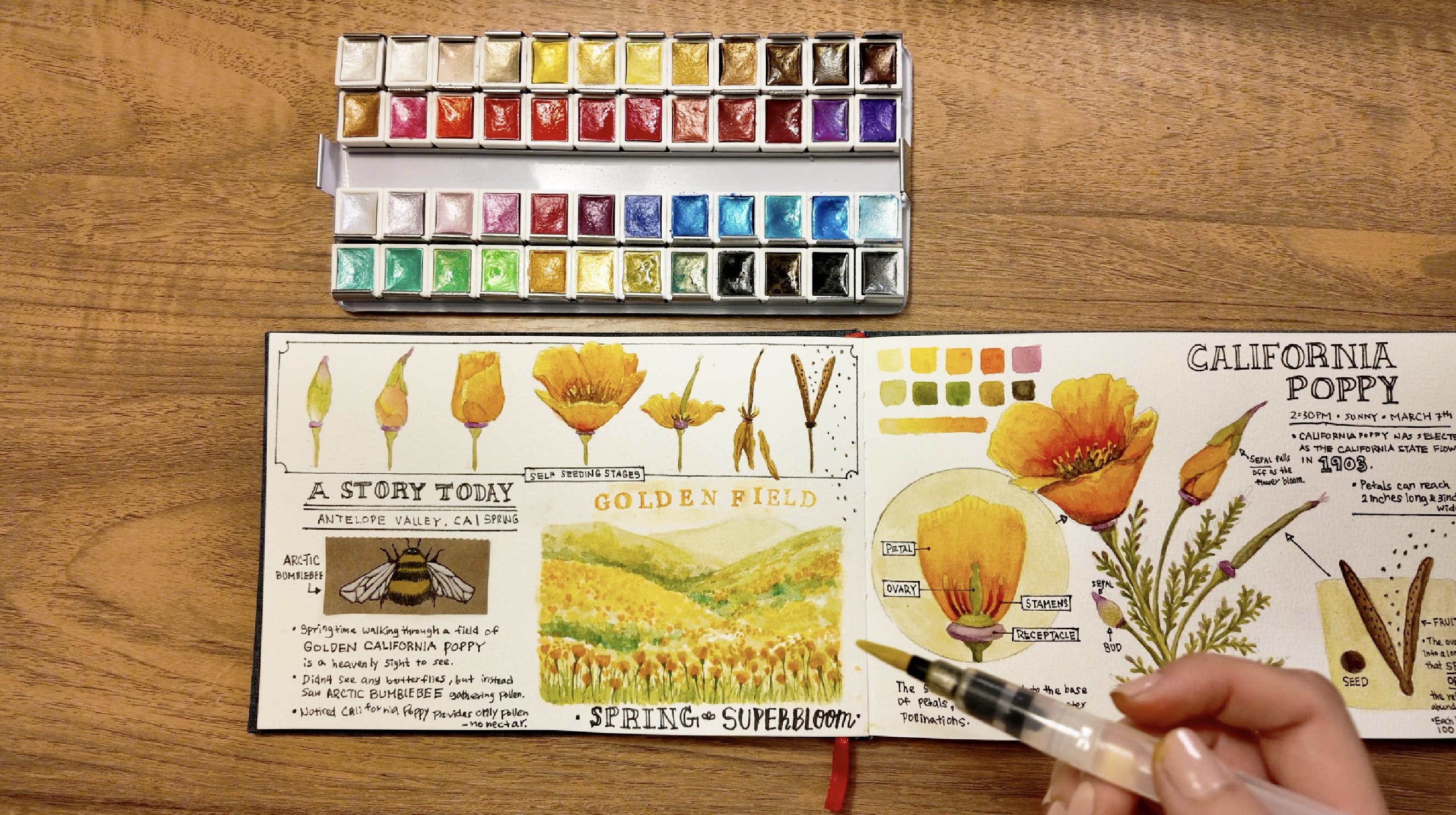
Nature Journaling: Drawing from Observation Using Watercolors
Welcome nature lovers! Join me as we step outdoors to create nature journals filled with beautiful watercolor illustrations. By drawing and sketching nature ...
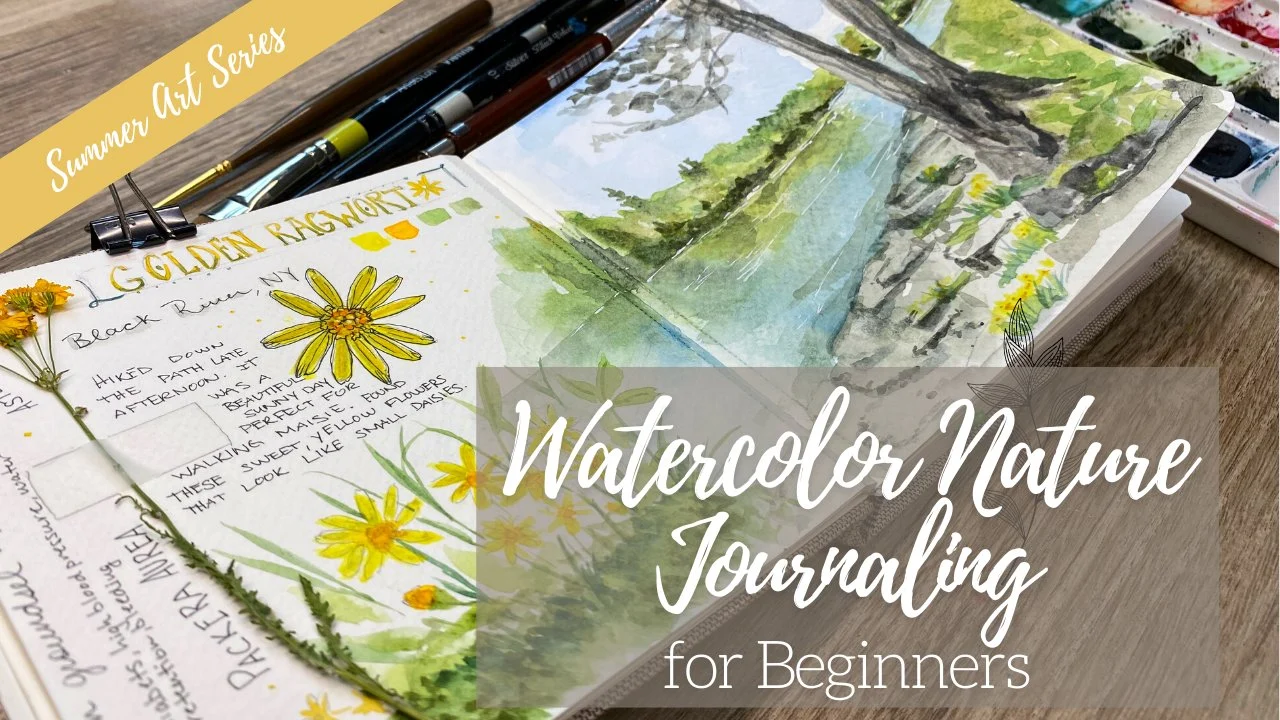
Nature Journal: Drawing Ideas for Summer
In this class, we'll take our sketchbook out into nature and sketch the summer. I will share lots of different ideas for drawing in your sketchbook now that ...
Pro Tips for Learning Conservation
- #1Supplement online courses with hands-on field experience through internships or volunteering with local conservation organizations.
- #2Build skills in GIS, data analysis, and scientific research methods to enhance your conservation toolkit.
- #3Stay up-to-date on the latest conservation science, policies, and technologies through industry publications and conferences.
- #4Develop strong communication abilities to effectively advocate for conservation initiatives with diverse stakeholders.
Why Learn Conservation?
- Develop in-demand skills to protect endangered species and natural habitats.
- Gain expertise in sustainable land management and environmental policy to combat climate change.
- Prepare for a fulfilling career in conservation science, wildlife management, or environmental advocacy.
- Contribute to global efforts to preserve biodiversity and restore natural ecosystems.