
Learn Wildlife
2 expert-rated courses covering Wildlife. Compared by rating, price, difficulty, and job relevance so you can pick the right one.
Wildlife skills are valuable across environmental science, ecological consulting, and natural resource management roles. Salaries in these fields are projected to grow 8% annually through 2026, outpacing the overall job market. Strong knowledge of wildlife also complements skills in GIS, data analysis, and outdoor recreation.
Key Facts About Wildlife
- 1The global wildlife conservation market is estimated at $76.8 billion in 2022 and expected to reach $98.1 billion by 2026.
- 2Over 1 million species of animals and plants are at risk of extinction, according to the International Union for Conservation of Nature.
- 3Wildlife biologists earn a median annual salary of $66,350, with the top 10% making over $100,000 per year.
- 4Popular wildlife observation tools include binoculars, camera traps, and field guides for identifying species.
- 5Common wildlife research methods include transect surveys, camera trapping, and scat/pellet analysis.
Available on
Top Wildlife Courses
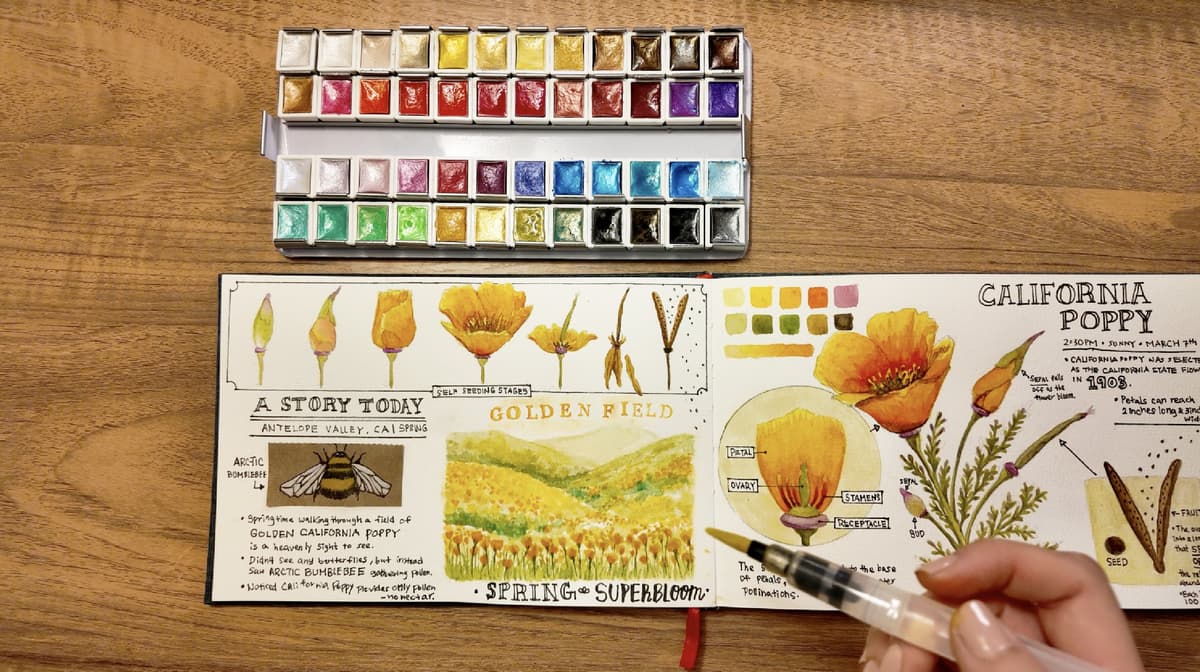
Nature Journaling: Drawing from Observation Using Watercolors
Welcome nature lovers! Join me as we step outdoors to create nature journals filled with beautiful watercolor illustrations. By drawing and sketching nature ...
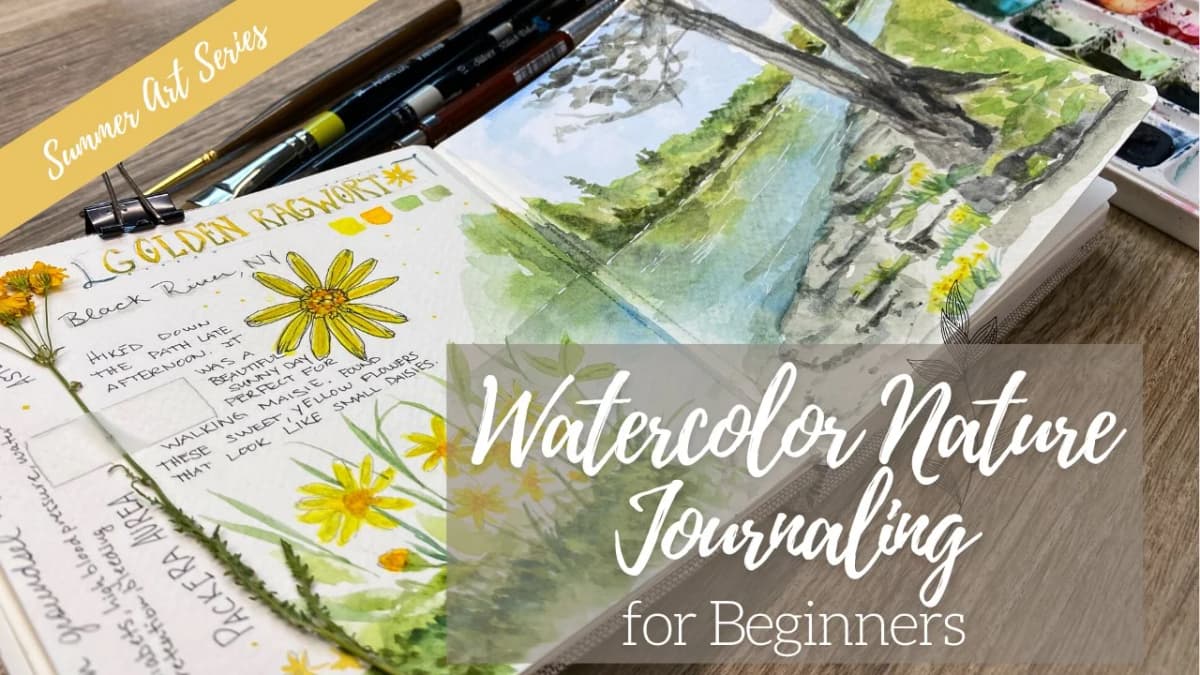
Nature Journal: Drawing Ideas for Summer
In this class, we'll take our sketchbook out into nature and sketch the summer. I will share lots of different ideas for drawing in your sketchbook now that ...
Pro Tips for Learning Wildlife
- #1Start building a nature journal to practice sketching and documenting wildlife encounters.
- #2Seek out local conservation organizations or parks for volunteer opportunities to gain hands-on experience.
- #3Master field guides and online resources for accurately identifying different animal species.
- #4Consider pursuing a relevant certification like the Certified Wildlife Biologist credential.
Why Learn Wildlife?
- Develop in-demand skills for careers in environmental science, ecological consulting, or natural resource management.
- Contribute to global efforts to conserve endangered species and protect fragile ecosystems.
- Cultivate an appreciation for the natural world and hone observation skills through wildlife study.
- Complement technical abilities in GIS, data analysis, and outdoor recreation with wildlife expertise.