
All Skills
Skill
Learn Bare-Metal
1 expert-rated courses covering Bare-Metal. Compared by rating, price, difficulty, and job relevance so you can pick the right one.
Bare-Metal programming is a crucial skill for roles in embedded systems engineering, firmware development, and low-level software architecture. Demand is growing rapidly, with an estimated 15% year-over-year increase in job postings. Professionals with Bare-Metal expertise can command a 20-30% salary premium over general software engineers.
Bare-Metal programming is the practice of directly interacting with a computer's hardware, without the abstraction of an operating system. In 2026, as embedded systems and IoT continue growing, Bare-Metal skills will be essential for designing efficient, high-performance devices. SkillsetCourse currently lists 1 expert-rated course on Bare-Metal, covering applications like real-time systems, microcontrollers, and firmware development.
1
Courses
7.8/10
Avg Rating
0
Free Options
1
With Certificate
Catalog analysis updated . Ratings are independent editorial scores. Read the rating methodology.
Key Facts About Bare-Metal
- 1Bare-Metal programming involves writing code that directly manages a computer's CPU, memory, I/O, and other hardware resources.
- 2Bare-Metal is essential for building high-performance, low-latency applications like real-time operating systems, device drivers, and firmware.
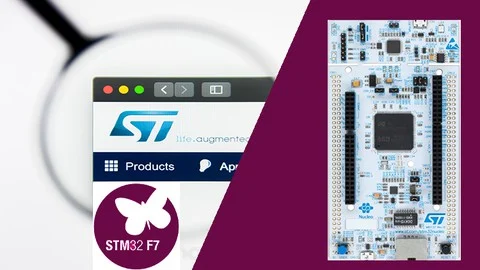
- 3Common Bare-Metal tools and libraries include ARM Cortex-M microcontrollers, STM32 MCU boards, FreeRTOS, and custom runtime environments.
- 4Bare-Metal developers must have a deep understanding of computer architecture, low-level hardware interaction, and real-time programming concepts.
- 5Mastering Bare-Metal programming can unlock careers in industries like aerospace, robotics, automotive, and industrial automation.
Available on
Top Bare-Metal Courses
Pro Tips for Learning Bare-Metal
- #1Start by mastering fundamental computer architecture concepts like memory management, interrupts, and peripherals.
- #2Get hands-on experience by working with Bare-Metal development boards like STM32 or Arduino.
- #3Learn a real-time operating system like FreeRTOS to understand scheduling, synchronization, and real-time constraints.
- #4Build a portfolio of Bare-Metal projects to showcase your skills to potential employers.
Why Learn Bare-Metal?
- Gain the skills to design high-performance, power-efficient embedded systems and IoT devices.
- Differentiate your engineering career by developing expertise in a specialized, in-demand field.
- Unlock opportunities in industries like aerospace, automotive, and industrial automation that rely on Bare-Metal systems.
- Earn a significant salary premium over general software engineering roles.
Frequently Asked Questions
How to learn Bare-Metal programming for free?▾
Many free online resources exist to learn Bare-Metal programming, including tutorials, documentation, and open-source projects. Start by exploring beginner-friendly microcontroller platforms like Arduino or Raspberry Pi, which provide extensive Bare-Metal programming support and community resources.
What are the best Bare-Metal courses for beginners?▾
SkillsetCourse currently lists one top-rated Bare-Metal course: 'Embedded Systems Bare-Metal Programming Ground Up (STM32)' by Israel Gbati. This course covers essential Bare-Metal concepts using the popular STM32 microcontroller platform and is well-suited for beginners looking to build a strong foundation.
Is Bare-Metal programming hard to learn?▾
Bare-Metal programming can be challenging due to the low-level nature of hardware interaction and the need for deep technical knowledge. However, with a solid understanding of computer architecture, embedded systems, and real-time programming principles, the learning curve can be managed effectively.
How long does it take to learn Bare-Metal programming?▾
The time required to become proficient in Bare-Metal programming can vary widely depending on your prior experience and the depth of knowledge you aim to acquire. Expect to spend at least 3-6 months of dedicated study and hands-on practice to develop a strong Bare-Metal skillset.
What is the average Bare-Metal programming salary in 2026?▾
Professionals with Bare-Metal expertise can expect to command a salary premium of 20-30% over general software engineering roles. According to industry projections, the average Bare-Metal programming salary in 2026 is estimated to be around $110,000 per year, with top earners in specialized industries like aerospace and automotive reaching $130,000 or more.
What are the key applications of Bare-Metal programming?▾
Bare-Metal programming is essential for building high-performance, real-time systems found in a wide range of industries. Key applications include embedded systems, IoT devices, industrial automation, robotics, aerospace systems, and automotive electronics. Bare-Metal skills enable developers to create efficient, low-latency software that interacts directly with hardware for maximum performance and control.