
All Skills
Skill
Learn Analytics
6 expert-rated courses covering Analytics. Compared by rating, price, difficulty, and job relevance so you can pick the right one.
Analytics skills are in high demand across industries like marketing, finance, and operations. According to Glassdoor, the average Analytics Manager salary in the US is $92,000, with demand growing 20% annually. Mastering Analytics can significantly boost your career prospects and earning potential.
Analytics is the scientific process of turning data into insights to drive business decisions. With 9 expert-rated courses available on SkillsetCourse.com, learning Analytics is a must-have skill for the data-driven economy of 2026 and beyond.
6
Courses
8.4/10
Avg Rating
1
Free Options
5
With Certificate
Catalog analysis updated . Ratings are independent editorial scores. Read the rating methodology.
Key Facts About Analytics
- 1Analytics leverages statistical modeling, machine learning, and data visualization to extract meaningful insights from structured and unstructured data.
- 2The top Analytics tools used by industry professionals include SQL, Python, R, Tableau, and Power BI.
- 3Predictive Analytics, which forecasts future trends and behaviors, is a fast-growing Analytics subdiscipline with 30% annual growth.
- 4Data-driven decision making is now a core competency for modern businesses - companies that excel at Analytics are 23% more profitable than peers.
- 5The global Analytics market is expected to grow from $49 billion in 2020 to $189 billion by 2026, a 28% annual growth rate.
Top Analytics Courses
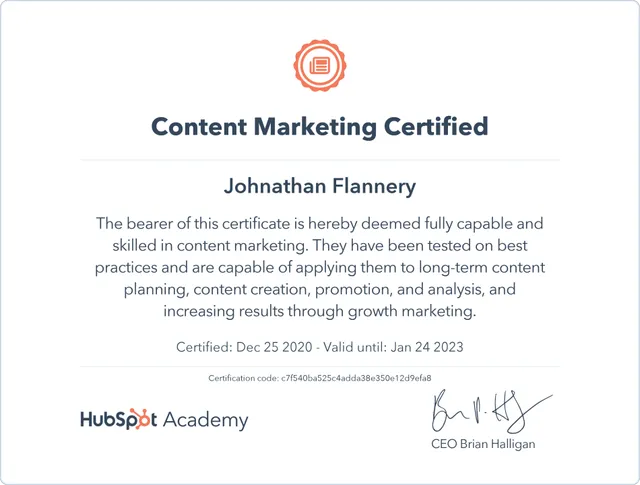
HubSpot AI Marketing Certification
HubSpot Academy
8.7/10HubSpot AcademyBeginnerFreeCertCurrent
Free, AI for inbound marketing

AI for Marketing Specialization (Emory University)
Coursera
8.5/10CourseraBeginner$49/month (Coursera Plus)CertCurrent
acquisition, retention
Generative AI for Marketing with Microsoft 365 Copilot
Microsoft Professional
8.5/10LinkedIn LearningBeginner$29.99/monthCertCurrent
Microsoft Professional Certificate
What Can AI Do for Marketing? (Emory)
Coursera
8.5/10CourseraBeginner$49/month (Coursera Plus)CertCurrent
AI opportunity identification + bias

Udacity AI Marketing Nanodegree
Udacity
8.5/10UdacityBeginner$249/monthCertCurrent
$1,199, advanced analytics + strategy

Digital Marketing with AI: Masterclass
Udemy
7.9/10UdemyBeginner$12.99 - $84.99Current
predictive analytics
Pro Tips for Learning Analytics
- #1Start with the basics - learn SQL for querying data, Excel/Sheets for data analysis, and data visualization tools like Tableau or Power BI.
- #2Practice hands-on with real-world datasets to build a portfolio and showcase your Analytics skills.
- #3Stay up-to-date with the latest Analytics trends and techniques, such as machine learning and predictive modeling.
Why Learn Analytics?
- Analytics skills are in high demand across all industries and functions, from marketing to finance to operations.
- Mastering Analytics can significantly boost your earning potential, with Analytics Managers earning 20-30% more than their non-Analytics peers.
- Analytics is a foundational skill for data-driven decision making, a core competency for modern businesses to stay competitive.
Frequently Asked Questions
How to learn Analytics for free?▾
SkillsetCourse.com offers 1 free course on Analytics, plus there are many free online resources like SQL tutorials, Kaggle datasets, and YouTube videos to build your Analytics skills at no cost.
Best Analytics courses for beginners?▾
The top-rated beginner-friendly Analytics courses on SkillsetCourse.com include 'Digital Marketing with AI: Masterclass' on Udemy and the 'AI for Marketing Specialization' on Coursera.
Is Analytics hard to learn?▾
While Analytics does require learning technical skills like SQL, statistics, and data visualization, the fundamentals can be picked up relatively quickly. With practice and the right courses, anyone can become proficient in Analytics.
How long to learn Analytics?▾
The time it takes to learn Analytics depends on your prior experience and dedication, but most beginners can gain a solid foundation in 3-6 months through online courses and hands-on practice.
Analytics salary 2026?▾
According to industry projections, the average salary for Analytics roles in the US is expected to grow to over $120,000 by 2026, as demand for data-driven decision making continues to skyrocket.
What are the best Analytics certifications?▾
Some of the top Analytics certifications that can boost your career prospects include the Google Analytics Individual Qualification (GAIQ), Tableau Desktop Specialist, and the SAS Certified Data Scientist.