
Getting Started with Deep Learning
NVIDIA Deep Learning Institute (DLI) · NVIDIA · Updated
AI Tutor Rating
8.6/10
Duration
8 hours self-paced
Classes
24
Self-paced course covering deep learning fundamentals, neural network training, and practical model building with hands-on GPU labs.
Getting Started with Deep Learning is an eight-hour, self-paced course from the NVIDIA Deep Learning Institute (DLI). It covers fundamental deep learning concepts, including neural network training, practical model building with PyTorch, and techniques like data augmentation and transfer learning. The course culminates in model deployment and includes hands-on GPU labs. It is designed for learners with basic Python knowledge who want to build a practical foundation in deep learning using industry-standard tools and hardware.
What you'll learn in Getting Started with Deep Learning
Our Review of Getting Started with Deep Learning
The Getting Started with Deep Learning course is structured as a focused, project-driven introduction. Its 24-lecture curriculum moves systematically from neural network basics through training, optimization, and deployment, which suggests a logical progression from theory to application. The self-paced, eight-hour format offers flexibility, but the inclusion of hands-on GPU labs is the defining feature, indicating that learners will spend significant time applying concepts in a practical, industry-relevant environment. This emphasis on doing, backed by NVIDIA's hardware and software ecosystem, is a major strength.
The learning outcomes and curriculum imply a practitioner-focused experience. A learner completing this course should be able to train neural networks from scratch, implement techniques to improve performance like data augmentation, and understand the workflow for deploying a trained model. The depth appears appropriate for a fundamentals course, assuming the prerequisite of basic Python knowledge. The $90 price point, which includes a certificate of completion, positions it as a premium, credential-focused offering compared to many free introductory MOOCs. The value lies in the direct access to NVIDIA's specialized labs and a certificate that may carry weight in technical industries.
Potential limitations stem from its focused scope and prerequisites. As a fundamentals course, it is a starting point, not a comprehensive deep learning education. The self-paced format requires strong personal discipline to complete the eight hours of material and labs. Furthermore, the need for basic Python knowledge is a real gate; absolute beginners to programming would struggle. However, for the target audience, the course provides a concrete, tool-specific pathway into a complex field.
Pros and cons of Getting Started with Deep Learning
Pros
- Includes hands-on GPU lab access, providing practical experience with industry-standard hardware.
- Offers a clear, project-based path from neural network basics to model deployment.
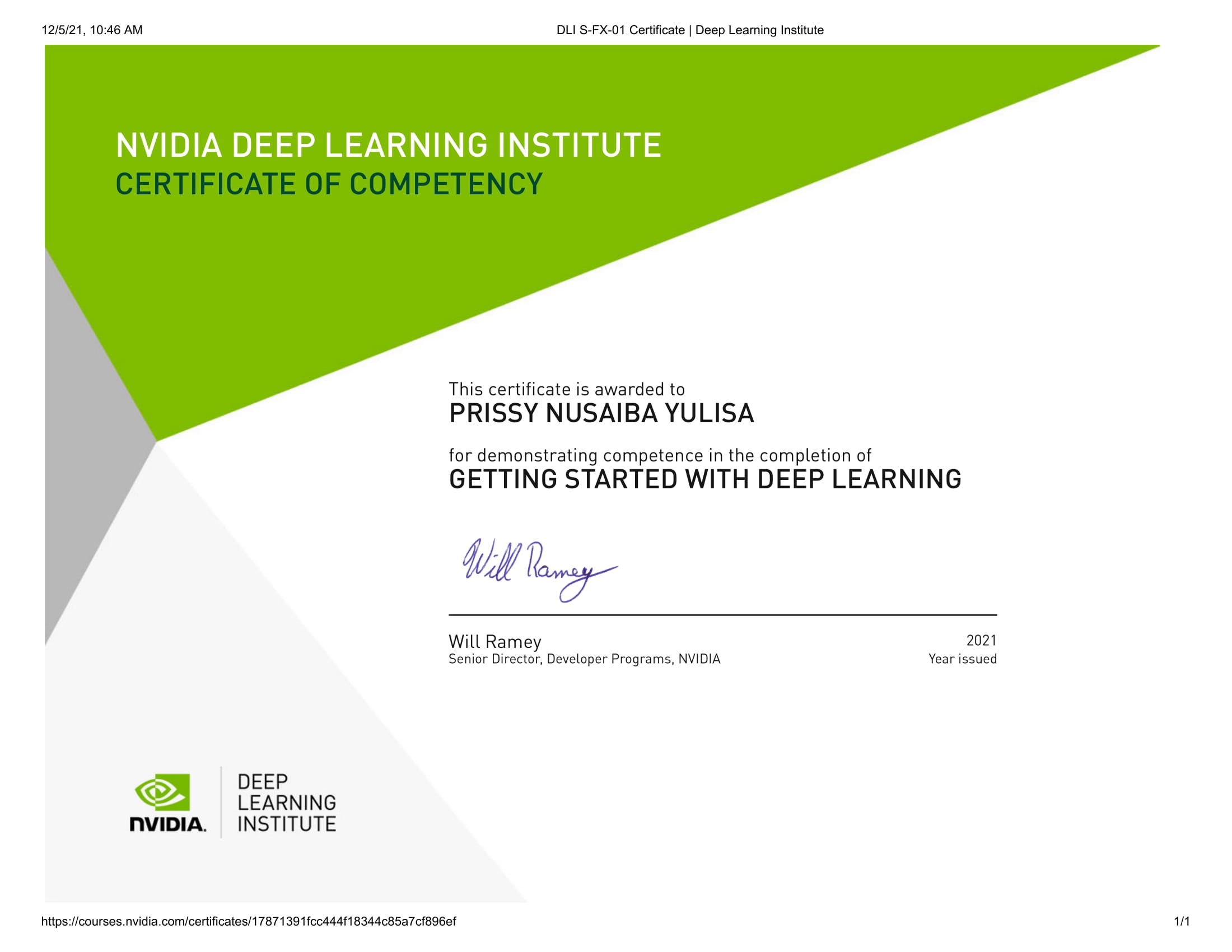
- Certificate of completion from NVIDIA DLI adds credential value.
- Focused, eight-hour format is manageable for motivated learners.
- Curriculum covers modern techniques like transfer learning and data augmentation.
Things to consider
- Requires basic Python knowledge, creating a barrier for absolute beginners.
- Self-paced format demands high learner motivation and discipline.
- As a fundamentals course, it provides a foundation but not advanced or comprehensive coverage.
Who should take Getting Started with Deep Learning?
This course is best for software developers, data analysts, or STEM students with basic Python skills who need a practical, hands-on introduction to deep learning. It fits those who want to quickly understand core workflows using PyTorch and NVIDIA GPUs and value a certificate from a recognized industry source to validate their new skills.
Course curriculum for Getting Started with Deep Learning
Getting Started with Deep Learning at a glance
| Provider | NVIDIA Deep Learning Institute (DLI) |
|---|---|
| Instructor | NVIDIA |
| Level | Intermediate |
| Time to complete | 8 hours self-paced |
| Pricing | $90 |
| Certificate | Certificate |
| Prerequisites | Basic Python knowledge |
Fit
Best for
Not ideal for
The bottom line on Getting Started with Deep Learning
Getting Started with Deep Learning is a well-structured, practical entry point that leverages NVIDIA's ecosystem to teach foundational skills. The hands-on labs and certificate justify its cost for career-focused learners, but its value is fully realized only by those who meet the Python prerequisite and are prepared to engage actively with the self-paced material.
Getting Started with Deep Learning: frequently asked questions
What is the main focus of the Getting Started with Deep Learning course?
The main focus of Getting Started with Deep Learning is providing a hands-on foundation in training, optimizing, and deploying neural networks using PyTorch and NVIDIA GPU labs, covering fundamentals like data augmentation and transfer learning.
What programming knowledge do I need before taking this NVIDIA DLI course?
You need basic Python knowledge to take Getting Started with Deep Learning, as the hands-on labs and model building will require writing and understanding Python code.
Is the certificate from Getting Started with Deep Learning worth the $90 fee?
The certificate may be worth the fee for learners seeking a credential from a leading industry source like NVIDIA DLI to complement the practical skills gained from the hands-on GPU labs.
How does this NVIDIA course compare to free introductory deep learning courses online?
Compared to free courses, Getting Started with Deep Learning offers structured, hands-on access to NVIDIA GPU labs and a formal certificate, providing a more tool-specific and credential-focused learning path.
How can I get the most out of the self-paced Getting Started with Deep Learning course?
To get the most from this course, ensure your Python basics are solid, allocate dedicated time for the eight hours of lectures and labs, and actively experiment within the provided GPU environment to reinforce the concepts.