
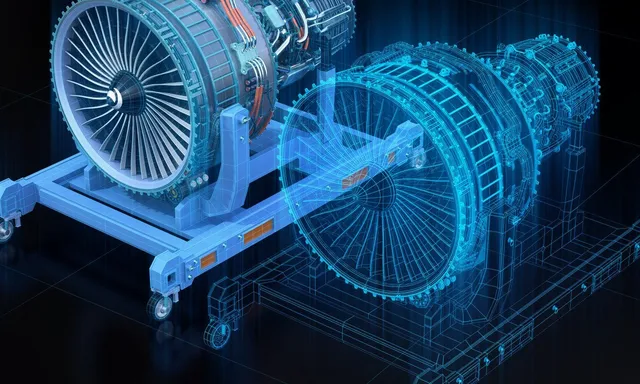
Digital Twin Engineering for Automotive Systems
Udemy · Aditya Bharat Patil · Updated
AI Tutor Rating
8.2/10
Duration
2 hours video
Classes
11
A complete guide to digital twins in automotive: learn vehicle simulation, virtual testing and real-time diagnostics for connected vehicles.
Digital Twin Engineering for Automotive Systems on Udemy is a concise, 2-hour video course focused on applying digital twin technology to modern vehicles. It covers vehicle simulation, virtual testing, and real-time diagnostics for connected and smart cars. The course is designed for learners with basic engineering knowledge who aim to develop software for connected vehicles, build automotive digital twin simulations, and implement diagnostic systems. It serves as a practical introduction to integrating virtual models with physical automotive systems for improved design and maintenance.
What you'll learn in Digital Twin Engineering for Automotive Systems
Our Review of Digital Twin Engineering for Automotive Systems
The structure of Digital Twin Engineering for Automotive Systems is streamlined, with 11 lectures organized into logical chapters, from an overview to best practices and next steps. This suggests a clear, linear progression through the core concepts. The teaching format is exclusively video-based, which is efficient for visual learners but lacks hands-on coding exercises or downloadable project files that might deepen practical understanding. The 2-hour duration indicates this is a primer, not a deep dive; learners will gain conceptual knowledge and a framework for digital twin application in automotive contexts, rather than emerging as expert practitioners.
The learning outcomes and curriculum suggest a learner will be able to understand the role of digital twins in automotive systems, articulate best practices for vehicle simulation and virtual testing, and grasp the fundamentals of implementing real-time diagnostics. However, the prerequisite of basic engineering knowledge is essential, as the course likely moves quickly from foundational concepts to application without remedial material. At the promotional price of $11.99, the value is anchored in the certificate of completion and the focused topic niche, making it a low-risk entry point for professionals seeking to update their skill set with this emerging technology.
Pros and cons of Digital Twin Engineering for Automotive Systems
Pros
- Focused on a high-demand, niche topic in automotive and autonomous systems
- Concise 2-hour format allows for efficient learning without a major time commitment
- Includes a certificate of completion, adding formal recognition for professional development
- Clear, outcome-oriented structure covering simulation, testing, and diagnostics
Things to consider
- Very short duration may limit depth and hands-on, practical application
- Prerequisite of basic engineering knowledge is necessary and not covered within the course
- Solely video-based format lacks interactive exercises or supplementary project materials
Who should take Digital Twin Engineering for Automotive Systems?
This course is best for practicing engineers, automotive technicians, or engineering students with a foundational background who need a rapid, conceptual introduction to digital twin technology specifically for vehicles. It fits those aiming to understand how virtual models apply to connected car diagnostics and simulation, rather than those seeking to build complex twins from scratch.
Course curriculum for Digital Twin Engineering for Automotive Systems
Digital Twin Engineering for Automotive Systems at a glance
| Provider | Udemy |
|---|---|
| Instructor | Aditya Bharat Patil |
| Level | Advanced |
| Time to complete | 2 hours video |
| Pricing | $11.99 |
| Certificate | Certificate |
| Prerequisites | Basic engineering knowledge |
Fit
Best for
Not ideal for
The bottom line on Digital Twin Engineering for Automotive Systems
Digital Twin Engineering for Automotive Systems is a cost-effective, introductory overview that delivers on its promise to explain the core concepts of vehicle digital twins. It provides a structured starting point for professionals looking to understand this transformative technology, though learners should expect a conceptual foundation, not advanced, project-based mastery.
Digital Twin Engineering for Automotive Systems: frequently asked questions
What exactly is covered in the Digital Twin Engineering for Automotive Systems course?
The Digital Twin Engineering for Automotive Systems course covers an overview of the technology, a guide to digital twins in automotive, vehicle simulation, virtual testing, real-time diagnostics for connected vehicles, and industry best practices.
What background do I need before taking this automotive digital twin course?
You need basic engineering knowledge as a prerequisite for the Digital Twin Engineering for Automotive Systems course, as it does not cover foundational engineering concepts.
Does the Udemy Digital Twin Engineering course offer a certificate and is it worth the price?
Yes, the Digital Twin Engineering for Automotive Systems course offers a certificate of completion. At $11.99, it represents a low-cost entry point for certified learning in this specialized topic.
How does this short Udemy course compare to a full university module on digital twins?
Compared to a university module, Digital Twin Engineering for Automotive Systems is a much shorter, 2-hour introductory overview focused on automotive applications, offering conceptual understanding rather than deep, academic or extensive project-based learning.
How can I get the most value from the Digital Twin Engineering for Automotive Systems course?
To get the most from this course, have your basic engineering knowledge ready, take notes on the simulation and diagnostics frameworks presented, and use the certificate and concepts as a springboard for further, hands-on project work.