
Rock Paper Scissors : Python Game Development Course
Skillshare · Skillshare Instructor · Updated
AI Tutor Rating
8.4/10
Duration
Self-paced
Classes
8
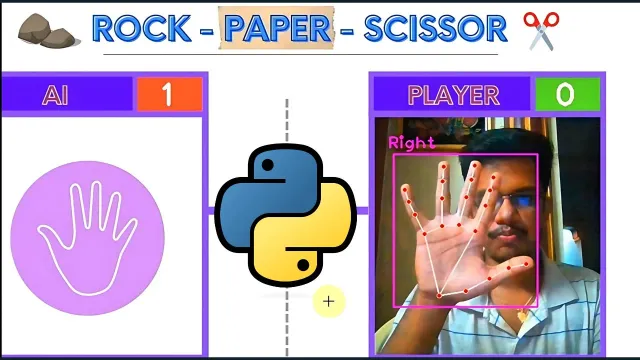
This exciting course is designed to teach you how to build an interactive and fun Rock Paper Scissors game using Python, computer vision libraries like OpenCV,
The Rock Paper Scissors : Python Game Development Course on Skillshare is a self-paced project designed to teach practical computer vision skills through building an interactive game. The course uses Python and the OpenCV library to cover fundamentals like face detection, object detection, and real-time image processing. It serves learners in the AI and ML engineering category who want to apply computer vision concepts to a tangible, fun project, using the game as a vehicle for learning application development.
What you'll learn in Rock Paper Scissors : Python Game Development Course
Our Review of Rock Paper Scissors : Python Game Development Course
The structure of the Rock Paper Scissors Python Game Development Course is project-centric, moving from fundamentals to a final assessment. The curriculum chapters suggest a streamlined path focused on applying computer vision libraries to a single, well-defined end product. This format is effective for learners who absorb concepts best through hands-on building rather than extensive theoretical lectures. The teaching format relies on the Skillshare platform's typical video-based lessons, and the self-paced nature offers flexibility but requires self-discipline to complete.
The depth versus difficulty is geared toward practical implementation. The listed outcomes, such as building applications with OpenCV and implementing face detection systems, indicate that a learner completing this course will gain concrete experience in setting up a computer vision pipeline and applying detection algorithms to a real-time problem. However, the course's value is tied directly to the Skillshare Premium subscription model, priced at $13.99 per month, and the lack of an indicated certificate means the primary return is the project portfolio piece and skills, not formal credentialing. For the monthly fee, a motivated learner can access this and other courses, making it a cost-effective option if they plan to consume multiple classes within the billing period.
Pros and cons of Rock Paper Scissors : Python Game Development Course
Pros
- Focuses on a practical, engaging project to teach computer vision concepts.
- Covers in-demand skills like OpenCV, face detection, and object detection.
- Self-paced format allows for flexible learning schedules.
- Access is cost-effective within a Skillshare Premium subscription for active learners.
- Outcomes are application-oriented, leading to a tangible portfolio project.
Things to consider
- Requires a Skillshare membership, creating a prerequisite barrier.
- No completion certificate is indicated, which may limit formal recognition.
- The streamlined three-chapter curriculum may not provide deep theoretical background.
Who should take Rock Paper Scissors : Python Game Development Course?
This course is best for beginner to intermediate Python developers who want a project-based introduction to computer vision. It fits learners seeking to quickly apply OpenCV and detection libraries to a fun, interactive application, valuing hands-on experience over comprehensive theory. The format suits self-starters comfortable with the Skillshare platform.
Course curriculum for Rock Paper Scissors : Python Game Development Course
Rock Paper Scissors : Python Game Development Course at a glance
| Provider | Skillshare |
|---|---|
| Instructor | Skillshare Instructor |
| Level | Intermediate |
| Time to complete | Self-paced |
| Pricing | Skillshare Premium ($13.99/mo) |
| Certificate | No |
| Prerequisites | Skillshare membership |
Fit
Best for
Not ideal for
The bottom line on Rock Paper Scissors : Python Game Development Course
The Rock Paper Scissors Python Game Development Course delivers practical computer vision skills through an engaging project, offering good value for Skillshare subscribers. Its main limitation is the lack of a certificate, making it ideal for skill-building rather than credential-seeking learners.
Rock Paper Scissors : Python Game Development Course: frequently asked questions
What exactly will I build in the Rock Paper Scissors Python Game Development Course?
You will build an interactive Rock Paper Scissors game using Python and computer vision libraries like OpenCV, implementing features such as real-time hand gesture detection to play against the computer.
What do I need to know before taking this computer vision course?
The main prerequisite is a Skillshare membership. While not explicitly stated, the course involves Python and computer vision concepts, so basic Python familiarity is likely beneficial to succeed.
Does the Rock Paper Scissors course offer a certificate of completion?
The course page does not indicate that a completion certificate is provided. The primary value is in the skills and project you build.
How can I get the most value from this self-paced course?
To get the most value, have Python set up on your computer, follow along actively with all coding, and use your Skillshare Premium access to explore supplementary courses on Python or OpenCV for deeper understanding.