
Learn Smart Cities
2 expert-rated courses covering Smart Cities. Compared by rating, price, difficulty, and job relevance so you can pick the right one.
Professionals in urban planning, civil engineering, and municipal management require Smart Cities expertise to design and implement cutting-edge, technology-enabled urban systems. Salaries for Smart Cities roles can be 15-25% higher than traditional city planning jobs, and global spending on Smart Cities is forecast to reach $1 trillion annually by 2026.
Catalog analysis updated . Ratings are independent editorial scores. Read the rating methodology.
Key Facts About Smart Cities
- 1Smart Cities leverage sensors, AI, and data analytics to improve traffic flows, energy efficiency, public safety, and citizen engagement.
- 2Key Smart Cities technologies include IoT, 5G, autonomous vehicles, digital twins, and predictive maintenance tools.
- 3The top 20 global Smart Cities in 2021 were dominated by cities in Europe, North America, and East Asia, led by Singapore, Helsinki, and Oslo.
- 4Smart Cities generate 30-50% energy savings, 20-35% reductions in traffic congestion, and 10-30% improvements in emergency response times.
- 5The global Smart Cities market is projected to grow at a CAGR of over 24% from 2022 to 2029, reaching $2.5 trillion in value.
Available on
Top Smart Cities Courses

Master Course in Smart Cities, Urban Planning & Development
Smart cities, urban planning, development, IoT, 5G, smart industry, infrastructure development through real case studies and modern technologies.
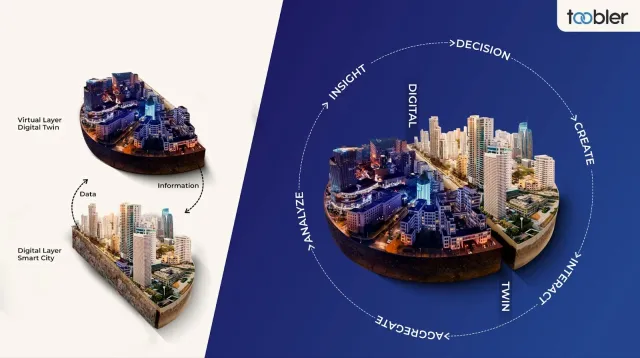
Digital Twins: Smart Cities, Business, and Beyond
Transform your understanding of digital twins with industry insights and real-world applications in smart cities, business, and beyond.
Pro Tips for Learning Smart Cities
- #1Focus on mastering core Smart Cities technologies like IoT, 5G, and predictive analytics tools
- #2Gain hands-on experience through urban planning projects, IoT hackathons, or internships with city governments
- #3Develop complementary skills in data science, GIS, and systems engineering to become a well-rounded Smart Cities professional
- #4Network with industry experts and stay up-to-date on the latest smart city innovations and best practices
Why Learn Smart Cities?
- Gain an in-demand, future-proof skillset to design and implement cutting-edge urban infrastructure and digital services
- Contribute to more sustainable, efficient, and livable cities through data-driven innovation and automation
- Earn a salary premium of 15-25% in urban planning, civil engineering, and municipal administration roles
- Work at the forefront of a fast-growing field that is transforming cities worldwide