
Learn Infrastructure
19 expert-rated courses covering Infrastructure. Compared by rating, price, difficulty, and job relevance so you can pick the right one.
The SkillsetCourse catalog offers a diverse range of infrastructure courses, with 18 providing certificates upon completion. Platforms like Coursera, Udemy, and Skillshare host these courses, including one free option. Related skills such as Google Cloud and AWS enhance the learning experience, allowing learners to build a comprehensive understanding of infrastructure.
Catalog analysis updated . Ratings are independent editorial scores. Read the rating methodology.
Key Facts About Infrastructure
- 1Infrastructure is essential for supporting cloud services and applications in today's technology landscape.
- 2SkillsetCourse offers 23 infrastructure courses across various platforms.
- 318 courses in the catalog provide certificates to validate learner achievements.
- 4One free infrastructure course is available for those beginning their learning journey.
- 5Related skills like Google Cloud and AWS are crucial for effective infrastructure management.
Available on
Top Infrastructure Courses

Preparing for Google Cloud Certification: Cloud Engineer
Cloud Engineer plans, configures, sets up, and deploys cloud solutions. This specialization provides the practical skills required for this role, preparing you to successfully manage enterprise solutions on Google Cloud. You will gain real-world, applied experience with Google Cloud technologies. This specialization focuses on the essential skills for the Cloud Engineering role, from infrastructure setup to application deployment.

Professional Cloud Architect Part 1: Infra & Network
The Professional Cloud Architect curriculum has been split into two targeted parts to provide a more focused learning experience. This specialization (Part 1) has been updated to prioritize deep-dive infrastructure and networking. We have replaced general networking overviews with three specialized courses covering Network Architecture, Hybrid/Multicloud, and the Network Intelligence Center. Implementation-heavy topics like GKE and specific exam-prep modules have been moved to Part 2 to ensure a logical progression from architectural design to operational engineering. This is Part 1 of a two-part series designed to prepare you for the Professional Cloud Architect certification. Part 1 focuses on the design and architecture of infrastructure and global networks, while Part 2 covers application modernization, observability, and final exam preparation. Please note that taking both parts is not required for general learning; however, completing both is highly recommended if you are planning on taking the Professional Cloud Architect certification exam.

Clean Up Unused and Orphaned Persistent Disks
This is a self-paced lab that takes place in the Google Cloud console. In this lab you will schedule a Cloud Function to identify and clean up unused and orphaned persistent disks.

Create an Internal Load Balancer
This is a self-paced lab that takes place in the Google Cloud console. In this lab, you create two managed instance groups in the same region. Then, you configure an Internal Load Balancer with the instances groups as the backends.
AI Infrastructure and Cloud GPUs
Master the fundamentals of building and managing AI infrastructure using cloud-based GPU resources. Learn how to optimize computational performance, scale AI workloads, and implement efficient model training and deployment pipelines.

Architecting Hybrid Cloud Infrastructure with Anthos
This specialization is intended for technical engineers, architects, and administrators using Google Cloud Platform (GCP), Kubernetes, and Istio to create, integrate, or modernize solutions. You will learn modernizing, managing, and observing microservices-based applications that span multiple clusters in GCP, on-premises, or other cloud providers.

Google Cloud Infrastructure for AWS Professionals
This is a four-course fast-track series for cloud architects and engineers with existing AWS knowledge that compares Google Cloud solutions with AWS and guides professionals on their use. The learner will apply the knowledge of concepts and technologies in AWS to explore the similarities and differences with concepts and technologies in Google Cloud. Learners will get hands-on practice building and managing Google Cloud resources.

Google Cloud Infrastructure for Azure Professionals
This is a four-course series for cloud architects and engineers with existing Azure knowledge that compares Google Cloud solutions with Azure and guides professionals on their use. The learner will apply the knowledge of concepts and technologies in Azure to explore the similarities and differences with concepts and technologies in Google Cloud. Learners will get hands-on practice building and managing Google Cloud resources.

Creating a Persistent Disk
This is a self-paced lab that takes place in the Google Cloud console. In this hands-on lab, you will learn how to create a persistent disk and use it on a Google Compute Engine virtual machine. You will also learn about zones, regions, and different disk types. Watch the short preview Create a Persistent Disk, GCP Essentials.

Create Machine Images Using gcloud compute
This is a self-paced lab that takes place in the Google Cloud console. This hands-on lab provides a quick introduction on how to create a VM machine image using gcloud compute to preserve the configuration, metadata, permissions, and disk data of the VM.

AWS Cloud training - Zero to Hero fast track course! Learn Amazon ...
The course "Introduction to AWS Cloud" is designed for individuals with no prior experience, as well as for those who have only recently started working ...

AWS - Basic To Expert
Hands-on labs and real-world scenarios will help learners gain practical experience with AWS cloud solutions, DevOps automation, and cloud security.
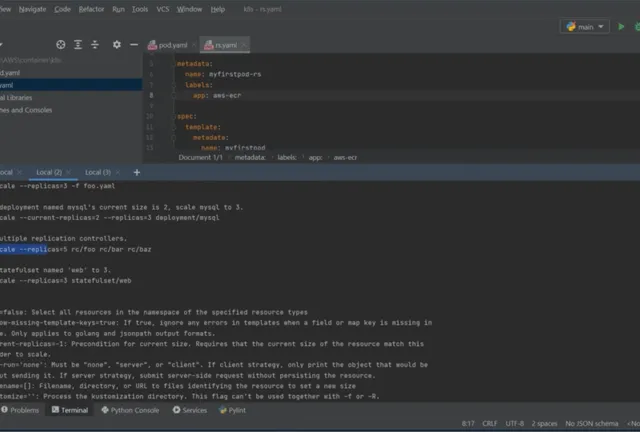
Learn Containers on AWS- Amazon ECS, EKS, Fargate
In this class you will learn how to run docker application on AWS cloud with the help of AWS ECS Fargate and AWS ECS (Elastic Container Services) with EC2 ...
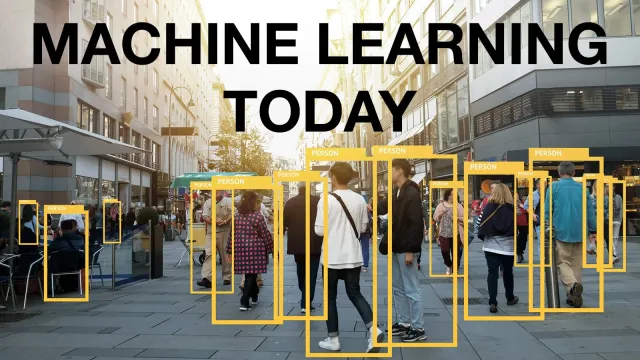
Demystifying Artificial Intelligence: Understanding Machine Learning
AWS is a Cloud platform of Amazon, Amazon Web Services that allow you to do all kind of things for machine learning and artificial intelligence there as well. A ...
Securing AI Data and Applications
Learn to secure AI data and applications covering threat modeling, DevSecOps, zero trust, and infrastructure as code for AI.

Mainframe Meets Modernization: Mastering Hybrid Cloud Design
This course bridges the gap between legacy mainframes and modern cloud systems. You'll learn to design, implement, and optimize hybrid cloud architectures.

Master Course in Smart Cities, Urban Planning & Development
Smart cities, urban planning, development, IoT, 5G, smart industry, infrastructure development through real case studies and modern technologies.

Smart City Technical: IoT, AI & Infrastructure
Smart city architecture, IMT Vision, IoT deployment, AI applications, 5G connectivity, cloud and data security for urban systems.
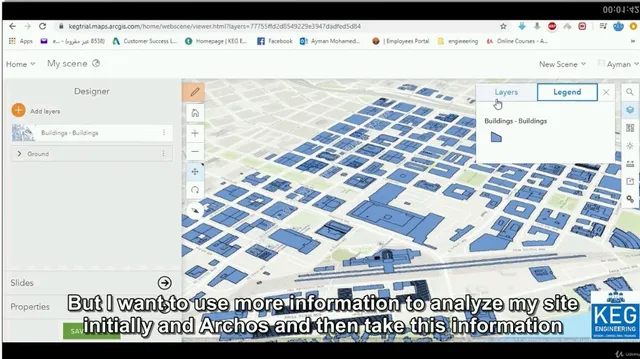
BIM and GIS Make Cities Smarter: Infraworks-Civil 3D-ArcGIS
The collaboration between BIM and GIS for smart city information management covering Infraworks, Civil 3D, and ArcGIS for urban planning.
Pro Tips for Learning Infrastructure
- #1Start with foundational courses like 'Preparing for Google Cloud Certification: Cloud Engineer' to build your knowledge.
- #2Utilize the free course option to explore infrastructure concepts without financial commitment.
- #3Consider pairing your infrastructure learning with related skills like AWS for a comprehensive skill set.
- #4Engage with community forums on platforms like Coursera to enhance your understanding of course materials.
Why Learn Infrastructure?
- Learning infrastructure opens career opportunities in cloud computing, data management, and IT support.
- Infrastructure skills are in high demand as organizations increasingly rely on cloud services.
- A strong foundation in infrastructure enhances your ability to design and manage complex systems.
- Mastering infrastructure can lead to roles such as cloud engineer or systems architect.