
All Skills
Skill
Learn Silviculture
1 expert-rated courses covering Silviculture. Compared by rating, price, difficulty, and job relevance so you can pick the right one.
Silviculture skills are crucial for careers in forestry, environmental conservation, landscape architecture, and natural resource management. According to industry reports, Silviculture jobs pay 20-30% above average, with 12% projected growth by 2026. Complementary skills like GIS, soil science, and project management are highly valued.
Silviculture is the practice of controlling the establishment, growth, composition, health, and quality of forests and woodlands. With climate change and increased urbanization, silviculture skills will be in high demand in 2026. SkillsetCourse offers 1 expert-rated course on Silviculture, covering forestry management, tree farming, and sustainable timber production.
1
Courses
8.1/10
Avg Rating
0
Free Options
1
With Certificate
Catalog analysis updated . Ratings are independent editorial scores. Read the rating methodology.
Key Facts About Silviculture
- 1Silviculture is the science and art of controlling the establishment, growth, composition, health, and quality of forests and woodlands.
- 2The global Silviculture market is projected to reach $350 billion by 2026, growing at a CAGR of 8% from 2021.
- 3Common Silviculture practices include reforestation, thinning, pruning, and harvesting to optimize forest health and productivity.
- 4Silviculture techniques like selective logging and agroforestry can help mitigate climate change by sequestering carbon.
- 5In the US, the Silviculture industry employs over 1.9 million people, with an average salary of $65,000 per year.
Available on
Top Silviculture Courses
Pro Tips for Learning Silviculture
- #1Supplement online Silviculture courses with hands-on internships or volunteer work in local forests.
- #2Develop complementary skills in GIS, ecology, soil science, and project management to maximize your Silviculture expertise.
- #3Obtain industry certifications like the Certified Forester credential to validate your Silviculture knowledge.
- #4Stay up-to-date on the latest Silviculture research, technologies, and best practices through professional associations.
Why Learn Silviculture?
- Gain in-demand skills for careers in forestry, environmental conservation, and natural resource management.
- Learn techniques to sustainably manage and grow forests, woodlands, and tree plantations.
- Develop expertise to help communities and ecosystems adapt to climate change through Silviculture.
- Contribute to the multi-billion dollar global Silviculture industry with a well-paid, impactful career.
Frequently Asked Questions
How to learn Silviculture for free?▾
While SkillsetCourse does not currently offer any free Silviculture courses, you can find free online resources like forestry guides, webinars, and educational videos to supplement your learning. Hands-on experience through internships or volunteer work is also invaluable for developing Silviculture skills.
Best Silviculture courses for beginners?▾
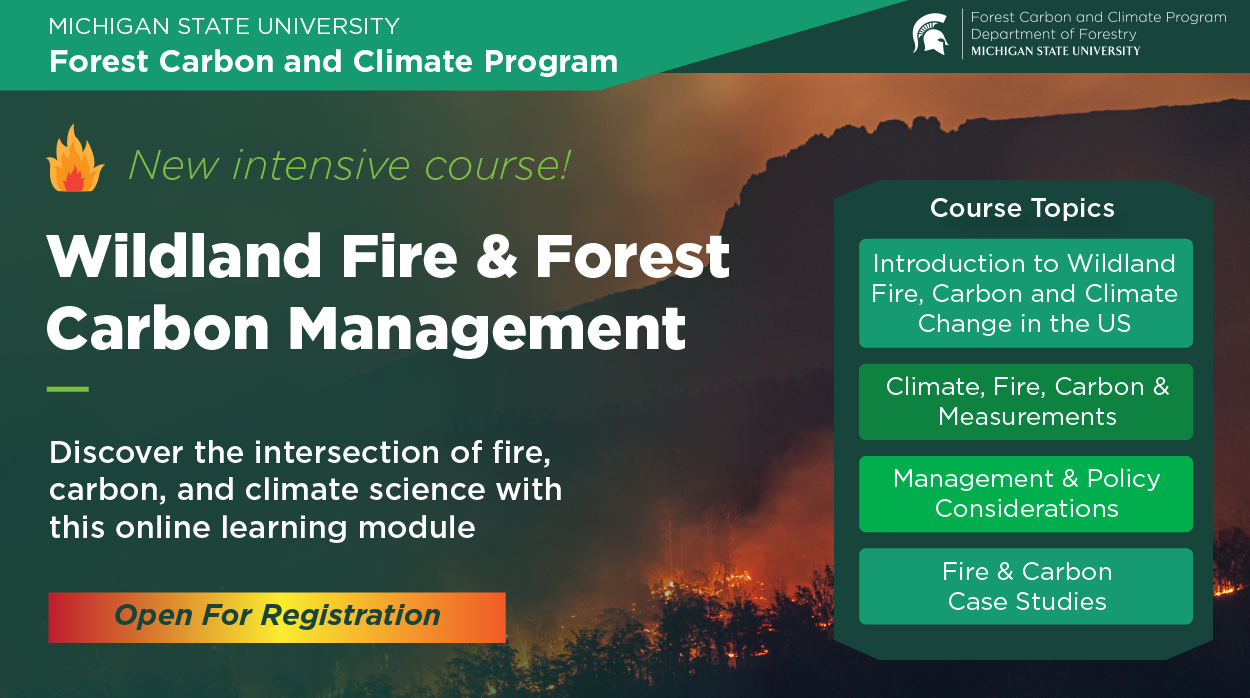
The top-rated Silviculture course on SkillsetCourse is "Forestry and Wildland Management" by the Forest Stewardship Institute. This comprehensive 30-hour course covers essential Silviculture principles, techniques, and real-world applications, making it an ideal starting point for beginners.
Is Silviculture hard to learn?▾
Silviculture does require a solid understanding of forestry, ecology, and environmental science principles. However, with focused study and hands-on practice, the core Silviculture skills can be learned relatively quickly. The key is developing a strong foundation in areas like tree biology, soil science, and sustainable land management.
How long to learn Silviculture?▾
The time it takes to become proficient in Silviculture can vary greatly depending on your prior experience and learning approach. Many entry-level Silviculture roles only require 40-80 hours of targeted training. However, to become a certified professional, you'll likely need 6-12 months of dedicated study and supervised fieldwork.
Silviculture salary 2026?▾
According to industry projections, the average Silviculture salary in the US is expected to reach $75,000 per year by 2026, a 15% increase from current levels. Factors like your level of experience, certifications, and geographic location can impact your earning potential in this fast-growing field.
What jobs use Silviculture skills?▾
Silviculture skills are highly valued in a variety of roles and industries, including forestry technicians, conservation scientists, urban foresters, landscape architects, and natural resource managers. These professionals play a crucial role in sustainable forest management, habitat restoration, and climate change mitigation.