
Learn Portfolio
3 expert-rated courses covering Portfolio. Compared by rating, price, difficulty, and job relevance so you can pick the right one.
Portfolios are a must-have for roles in software engineering, UI/UX design, marketing, and other creative industries. According to Glassdoor, an impressive portfolio can boost starting salaries by 10-20%. Demand for portfolio-building skills is projected to grow 18% by 2026 as companies increasingly rely on remote, asynchronous hiring processes.
Catalog analysis updated . Ratings are independent editorial scores. Read the rating methodology.
Key Facts About Portfolio
- 1Portfolios allow job seekers to showcase their work and skills beyond just a resume.
- 2Curating an online portfolio is essential for landing remote and hybrid jobs in tech, design, and creative fields.
- 3The top 2 portfolio courses on SkillsetCourse.com are "Machine Learning/AI Engineer" by Codecademy and "AI Native Engineers" by AI Native Engineers.
- 41 out of the 2 portfolio courses on SkillsetCourse.com awards a certificate upon completion.
- 5There are currently 0 free portfolio course options available on the SkillsetCourse.com platform.
Available on
Top Portfolio Courses
Machine Learning/AI Engineer
Career path for end-to-end machine learning engineering, including model development, pipelines, and portfolio projects.
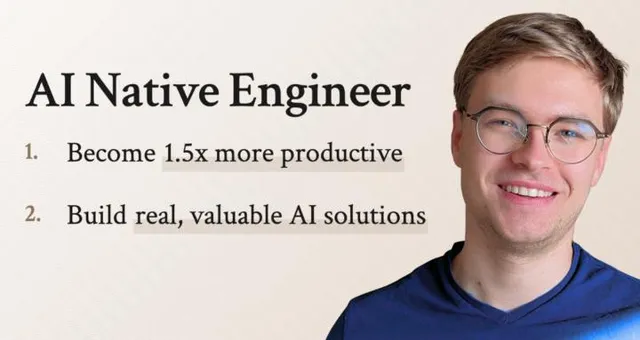
AI Native Engineers
Membership program promising a 90-day AI engineer path with 25+ hours of masterclasses, portfolio projects, and support for local and cloud AI project delivery.

Design a User Experience for Social Good & Prepare for Jobs
Design a User Experience for Social Good and Prepare for Jobs is the seventh course in a program that will equip you with the skills you need to become an entry-level UX designer. In this course, you will design a dedicated mobile app and a responsive website focused on social good. You will showcase all that you’ve learned during the certificate program to complete the design process from beginning to end: empathizing with users, defining their pain points, coming up with ideas for design solutions, creating wireframes and prototypes, and testing designs to get feedback. By the end of this course, you will have a new cross-platform design project to include in your professional UX portfolio. This course will also prepare you to land your first job as a UX designer. And, you’ll polish the professional UX portfolio you’ve been building throughout the program so that it’s ready for job applications. Current UX designers and researchers at Google will serve as your instructors, and you will complete hands-on activities that simulate real-world UX design scenarios. Learners who complete the courses in this certificate program should be equipped to apply for entry-level jobs as UX designers. By the end of this course, you will be able to: - Apply each step of the UX design process (empathize, define, ideate, prototype, test) to create designs focused on social good. - Identify the differences between dedicated mobile apps and responsive web apps. - Understand progressive enhancement and graceful degradation approaches for designing across devices. - Build wireframes, mockups, and low-fidelity and high-fidelity prototypes. - Add a new design project to your professional UX portfolio. - Create your portfolio of design work for job applications. - Join and participate in online UX communities. - Determine if freelance design work is a good career fit for you. - Learn AI skills from Google experts to help complete UX design tasks. This course is suitable for beginner-level UX designers who have completed the previous six courses of the Google UX Design Certificate.
Pro Tips for Learning Portfolio
- #1Curate your portfolio with your target industry and job roles in mind, highlighting your most relevant and impressive work samples.
- #2Optimize your online portfolio for search engines and applicant tracking systems (ATS) using best practices like clear organization, relevant keywords, and compelling descriptions.
- #3Continuously update and refine your portfolio as you gain new skills and experiences to keep it fresh and tailored to your career goals.
- #4Seek feedback from peers, mentors, or hiring managers to identify areas for improvement and ensure your portfolio effectively communicates your value.
Why Learn Portfolio?
- Develop a compelling portfolio to stand out from the competition when applying for tech, design, and creative roles.
- Boost your earning potential - impressive portfolios can increase starting salaries by 10-20%.
- Gain the skills to showcase your work and expertise through an optimized, ATS-friendly online presence.
- Learn portfolio-building techniques that are in high demand as remote and hybrid work become the norm.