
Learn plumbing
3 expert-rated courses covering plumbing. Compared by rating, price, difficulty, and job relevance so you can pick the right one.
Plumbing is a foundational skill for construction, facilities maintenance, and manufacturing roles. The median salary for plumbers in the U.S. is $55,000, with the top 10% earning over $94,000. The Bureau of Labor Statistics forecasts 5% annual job growth for plumbers through 2026 as new construction and infrastructure upgrades drive increased demand.
Catalog analysis updated . Ratings are independent editorial scores. Read the rating methodology.
Key Facts About plumbing
- 1Plumbers install, maintain, and repair pipes, fixtures, and equipment for water, sewage, drainage, and HVAC systems in residential, commercial, and industrial buildings.
- 2Common plumbing tasks include unclogging drains, fixing leaks, replacing fixtures, and performing preventative maintenance on pipes and appliances.
- 3Plumbers must be knowledgeable about local plumbing codes, use specialized tools like pipe wrenches and soldering equipment, and follow safety protocols.
- 4Becoming a licensed plumber typically requires 4-5 years of technical training and on-the-job apprenticeship experience.
- 5The three main plumbing material types are copper, PVC, and galvanized steel, each with unique installation and repair methods.
Top plumbing Courses
Pipe Material Specification
Explore pipe materials, properties, and selection criteria for plumbing and industrial systems. Learn about metal, plastic, and composite pipes with emphasis on code compliance and system performance.
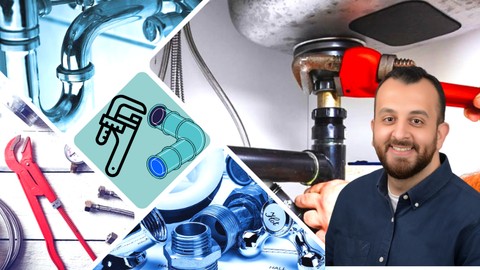
Plumbing Fundamentals: From Pipes to Fixtures
Master the hands-on skills that power America's infrastructure in this practical, project-driven course. Plumbing course covering water supply systems, drain-waste-vent (DWV) systems, pipe fitting, fixture installation, and plumbing code essentials. Designed to prepare you for licensing exams and immediate employment - with the practical skills that set journeymen apart from apprentices.
Home Inspection Professional Certification
Gain the technical expertise and professional knowledge needed to excel in this comprehensive course. Home inspection training covering structural assessment, roofing, electrical systems, plumbing, HVAC evaluation, foundation inspection, and report writing standards. Features code-compliant techniques, material selection guides, and troubleshooting strategies you can apply immediately on the job.
Pro Tips for Learning plumbing
- #1Focus on mastering the basics like pipe sizing, fixture installation, and code requirements before moving to advanced topics.
- #2Invest in quality tools like basin wrenches, pipe cutters, and solder equipment to work efficiently and safely.
- #3Seek out an apprenticeship or mentorship with an experienced plumber to learn hands-on troubleshooting and gain required licensing.
Why Learn plumbing?
- Develop a high-demand technical skill that is essential for construction, facilities maintenance, and manufacturing roles.
- Earn a well-paying, stable career with a projected 5% annual job growth through 2026.
- Become a licensed professional who can start their own plumbing business or work for a plumbing contractor.