
Learn Pet Health
2 expert-rated courses covering Pet Health. Compared by rating, price, difficulty, and job relevance so you can pick the right one.
Pet Health skills are essential for roles like veterinary assistant, veterinary technician, pet groomer, and animal trainer. The average veterinary assistant in the US earns $29,000, with the job market expected to grow 14% by 2026. Complementary skills like animal behavior, first aid, and client communication also boost employability in this fast-growing field.
Catalog analysis updated . Ratings are independent editorial scores. Read the rating methodology.
Key Facts About Pet Health
- 1Approximately 70% of US households owned at least one pet as of 2021.
- 2The global pet care market is projected to reach $358 billion by 2027, growing at a CAGR of 6.7%.
- 3Proper pet nutrition, grooming, and preventative care can extend a dog's lifespan by 1-3 years.
- 4Top causes of pet emergencies include injuries, poisonings, and infectious diseases like parvovirus.
- 5Cats require regular nail trimming, teeth brushing, and flea/tick prevention to maintain health.
Top Pet Health Courses
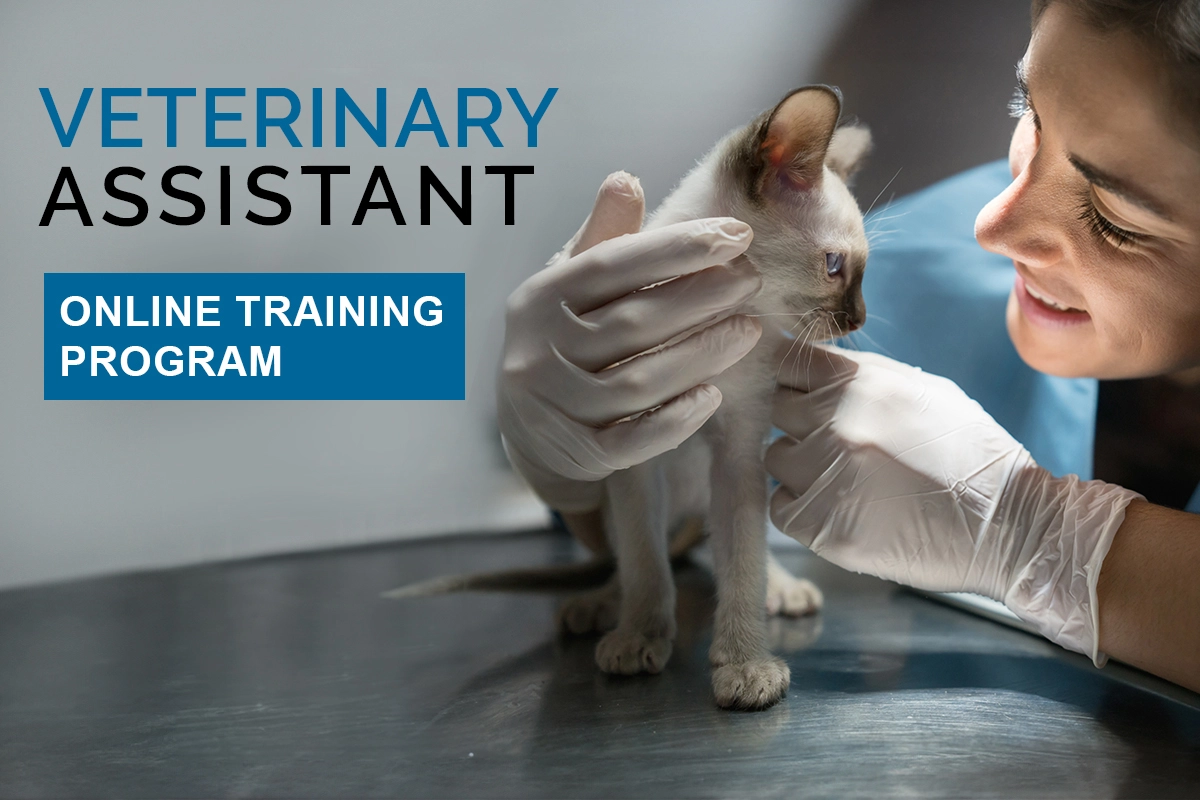
Veterinary Assistant Complete Training
Prepare for professional certification with this evidence-based course. Veterinary assistant training covering animal handling, clinical procedures, surgical preparation, laboratory skills, and emergency animal care. Features hands-on lab activities, patient interaction scenarios, and certification prep materials that mirror actual workplace demands.
Veterinary Medicine for Animals: Small Animal
Develop essential healthcare competencies in this rigorous yet accessible course. Small animal veterinary science covering canine and feline health, common diseases, physical examination, vaccination protocols, and pet owner communication. Covers current industry standards, regulatory requirements, and best practices - giving you the edge employers look for in new hires.
Pro Tips for Learning Pet Health
- #1Get hands-on practice caring for pets through volunteer work at local animal shelters.
- #2Learn animal first aid and emergency response to handle unexpected pet health issues.
- #3Develop strong communication skills to educate pet owners on preventative care.
- #4Stay up-to-date on the latest pet nutrition, grooming, and disease prevention best practices.
Why Learn Pet Health?
- Develop practical skills to provide excellent care for pets in your own home or in an animal care career.
- Gain in-demand expertise to work as a veterinary assistant, pet groomer, or animal trainer.
- Contribute to the growing $358 billion global pet care industry with specialized pet health knowledge.
- Become an informed, responsible pet owner who can extend the lifespan and well-being of domestic animals.