
All Skills
Skill
Learn Life Support
1 expert-rated courses covering Life Support. Compared by rating, price, difficulty, and job relevance so you can pick the right one.
Demand for Life Support skills is growing rapidly, with roles in healthcare, public safety, and even workplace first aid programs seeing increased hiring. Certified Life Support providers can earn 15-20% higher salaries on average compared to non-certified peers, and complementary skills like CPR, trauma care, and emergency response planning are in high demand.
Life Support is the set of emergency procedures and techniques used to sustain vital bodily functions, particularly in situations where breathing or circulation is compromised. With 1 expert-rated course available on SkillsetCourse.com, Life Support skills are crucial for healthcare workers, first responders, and anyone seeking to provide critical aid in life-threatening emergencies.
1
Courses
8.7/10
Avg Rating
1
Free Options
1
With Certificate
Catalog analysis updated . Ratings are independent editorial scores. Read the rating methodology.
Key Facts About Life Support
- 1Life Support encompasses techniques like rescue breathing, chest compressions, and the use of automated external defibrillators (AEDs).
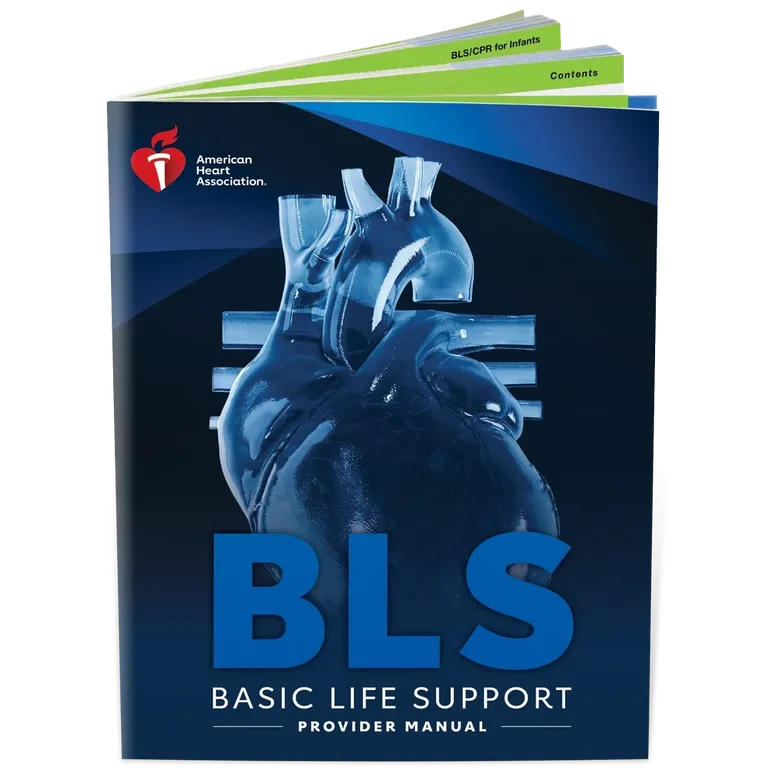
- 2The American Heart Association (AHA) provides standardized Life Support training and certification programs used worldwide.
- 3In the US, over 350,000 cardiac arrests occur outside of hospitals each year, underlining the critical importance of bystander Life Support intervention.
- 4Proper Life Support can double or triple a victim's chance of survival from sudden cardiac arrest, according to AHA data.
- 5Life Support skills must be regularly refreshed, with most certification programs requiring renewal every 1-2 years.
Available on
Top Life Support Courses
Pro Tips for Learning Life Support
- #1Seek out a reputable, hands-on Life Support training course from an accredited provider like the AHA or Red Cross.
- #2Practice your Life Support techniques regularly to maintain muscle memory and confidence - refresher training is key.
- #3Consider obtaining additional certifications like CPR, First Aid, and AED use to maximize your emergency response capabilities.
- #4Stay up-to-date on the latest Life Support guidelines and best practices, which can evolve over time.
Why Learn Life Support?
- Become qualified to provide potentially life-saving assistance in medical emergencies, giving you the ability to make a real difference.
- Earn a valuable professional certification that is in high demand across healthcare, public safety, and many other industries.
- Gain the confidence and skills to respond calmly and effectively in crisis situations, providing critical care until advanced medical help arrives.
- Complement your existing medical, first aid, or emergency response training with an essential Life Support skillset.
Frequently Asked Questions
How to learn Life Support for free?▾
While hands-on training with an accredited provider is ideal, there are some free options to learn basic Life Support skills. Many nonprofits and community organizations offer free or low-cost CPR/AED and First Aid training courses, and free online resources like the American Red Cross' Digital First Aid App can help you build a foundation.
Best Life Support courses for beginners?▾
For those new to Life Support, look for introductory courses that cover the essential techniques like rescue breathing, chest compressions, and AED use. The American Heart Association's 'CPR, AED & Basic Life Support (BLS) Certification' course on Udemy is a highly-rated option, providing comprehensive training with hands-on practice.
Is Life Support hard to learn?▾
With proper instruction and regular practice, the core Life Support skills are relatively straightforward to learn. However, effectively assessing an emergency situation, deciding the right course of action, and performing potentially stressful procedures does require focus and commitment. Hands-on training is key to building the muscle memory and confidence needed.
How long to learn Life Support?▾
A basic Life Support course can typically be completed in 2-4 hours, covering the essential techniques. However, ongoing practice and regular certification renewals (every 1-2 years) are crucial to maintain proficiency. Many healthcare and public safety roles also require more advanced Life Support training that can take 8+ hours to complete.
Life Support salary 2026?▾
Professionals with certified Life Support skills can expect to earn 15-20% higher salaries on average compared to non-certified peers. As demand continues to rise, especially in healthcare and public safety, the premium for Life Support expertise is projected to grow, potentially reaching 20-25% by 2026 according to industry analysts.
What are the key steps in performing CPR during Life Support?▾
The core steps of CPR during Life Support are: 1) Check for responsiveness and call for emergency help. 2) Tilt the head back and lift the chin to open the airway. 3) Give 2 rescue breaths. 4) Begin chest compressions at a rate of 100-120 per minute. 5) Continue cycles of 30 chest compressions followed by 2 rescue breaths until the victim starts breathing or help arrives.