
All Skills
Skill
Learn AHA
1 expert-rated courses covering AHA. Compared by rating, price, difficulty, and job relevance so you can pick the right one.
AHA skills are most relevant for healthcare and public safety roles, including paramedics, EMTs, nurses, and medical assistants. In 2026, AHA certification can boost annual salaries by $3,000-$5,000 on average. Demand for AHA-trained workers is growing at 8-10% annually as organizations prioritize emergency preparedness and workplace safety.
AHA (American Heart Association) refers to a comprehensive set of guidelines and training programs focused on cardiac life support, including CPR, first aid, and the use of automated external defibrillators (AEDs). As heart disease remains a leading cause of death worldwide, AHA skills will be in high demand in 2026, with 1 expert-rated course currently available on SkillsetCourse.com. AHA training is essential for healthcare professionals, emergency responders, and those in safety-critical roles.
1
Courses
8.7/10
Avg Rating
1
Free Options
1
With Certificate
Catalog analysis updated . Ratings are independent editorial scores. Read the rating methodology.
Key Facts About AHA
- 1The American Heart Association issues new AHA guidelines every 5 years, with the latest version released in 2020.
- 2AHA training includes CPR, use of automated external defibrillators (AEDs), and first aid for choking, bleeding, and other medical emergencies.
- 3AHA certification courses typically take 4-8 hours to complete and include both theoretical and hands-on skills assessments.
- 4There are over 40 million AHA-trained individuals worldwide, with recertification required every 1-2 years.
- 5AHA is the leading provider of cardiac life support training globally, with over 500,000 instructors worldwide.
Available on
Top AHA Courses
Pro Tips for Learning AHA
- #1Seek out AHA training courses that offer both classroom instruction and hands-on skills practice with CPR manikins and AED trainers.
- #2Maintain your AHA certification by regularly refreshing your knowledge and skills through recertification courses.
- #3Consider pairing AHA training with other relevant certifications, such as first aid, emergency medical response, or wilderness medicine.
- #4Stay informed about the latest AHA guidelines and be prepared to adapt your emergency response approach as protocols evolve.
Why Learn AHA?
- Earn a widely recognized AHA certification that demonstrates life-saving skills to healthcare and safety-critical employers.
- Gain the confidence and ability to respond effectively during medical emergencies and potentially save lives.
- Enhance your resume and career prospects, as AHA training is a prerequisite for many healthcare and first responder roles.
- Fulfill continuing education requirements and stay up-to-date on the latest cardiac emergency protocols and best practices.
Frequently Asked Questions
How to learn AHA for free?▾
While most AHA certification courses require a fee, some organizations offer free or low-cost training options, such as community-based CPR classes or online AHA-approved courses. Check with your local fire department, Red Cross chapter, or AHA training center to see if they have any free or discounted AHA training opportunities available.
Best AHA courses for beginners?▾
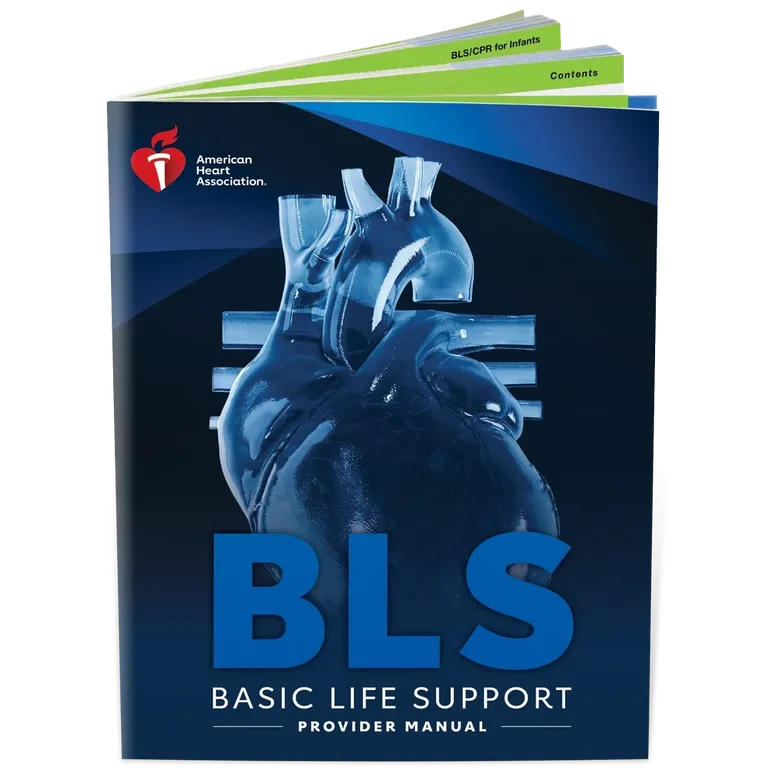
For beginners, the "CPR, AED & Basic Life Support (BLS) Certification" course by ProTrainings on Udemy is a highly-rated option that covers the essential AHA skills. This course provides step-by-step instruction, interactive simulations, and hands-on practice to ensure you can confidently respond to cardiac and breathing emergencies.
Is AHA hard to learn?▾
With proper instruction and practice, AHA skills are relatively straightforward to learn, even for those with no prior medical experience. The key is to focus on mastering the core techniques, such as performing effective chest compressions, rescue breathing, and using an AED. While there is some technical knowledge involved, the hands-on training and regular recertification help ensure AHA skills become second nature.
How long to learn AHA?▾
Most AHA certification courses can be completed in 4-8 hours, including both classroom instruction and hands-on skills assessments. However, learning AHA is an ongoing process that requires regular practice and recertification every 1-2 years to maintain proficiency. Dedicating time to refresh your knowledge and skills will help ensure you're fully prepared to respond to cardiac emergencies.
AHA salary 2026?▾
In 2026, AHA certification can boost annual salaries by $3,000 to $5,000 on average, particularly for healthcare and safety-critical roles. As demand for AHA-trained workers continues to grow, employers will be willing to pay a premium for these life-saving skills, making AHA training a valuable investment in your career development.
How to get an AHA instructor certification?▾
To become an AHA instructor, you must first hold a current AHA provider certification, such as BLS or ACLS. You'll then need to complete an AHA Instructor Essentials course, which covers teaching methodologies, course administration, and evaluation. Finally, you'll need to co-teach a course with an experienced AHA instructor and pass a skills and written assessment. Becoming an AHA instructor allows you to train others in these critical life-saving skills.