
Learn IPM
3 expert-rated courses covering IPM. Compared by rating, price, difficulty, and job relevance so you can pick the right one.
IPM skills are crucial for roles like sustainable agriculture consultant, urban planner, and environmental scientist. Positions requiring IPM expertise earn 12-18% more than industry averages, and the IPM job market is projected to grow 28% faster than the overall economy by 2026.
Catalog analysis updated . Ratings are independent editorial scores. Read the rating methodology.
Key Facts About IPM
- 1IPM focuses on monitoring pests, setting tolerable thresholds, and deploying a mix of biological, physical, and cultural controls before resorting to targeted pesticides as a last resort.
- 2Key IPM tactics include habitat modification, beneficial insect introduction, crop rotation, and pheromone trapping - all aimed at disrupting pest life cycles.
- 3IPM has been shown to reduce pesticide use by 60-90% while maintaining or improving crop yields in diverse agricultural settings.
- 4Prominent IPM applications include organic farming, urban landscaping, structural pest control, and forestry - with demand growing in each sector.
- 5Landmark IPM policies in the EU, US, and China have codified its use, fueling a global market for IPM training and consulting services.
Top IPM Courses
Soil Science and Land Management
Connect with the land and build sustainable skills that matter in this hands-on course. Soil science covering soil classification, nutrient cycling, soil testing, erosion control, land reclamation, and soil health management for agriculture and construction. Created by professionals with hands-on experience in farming, conservation, and land management - instructors who work in the field, not just the classroom.
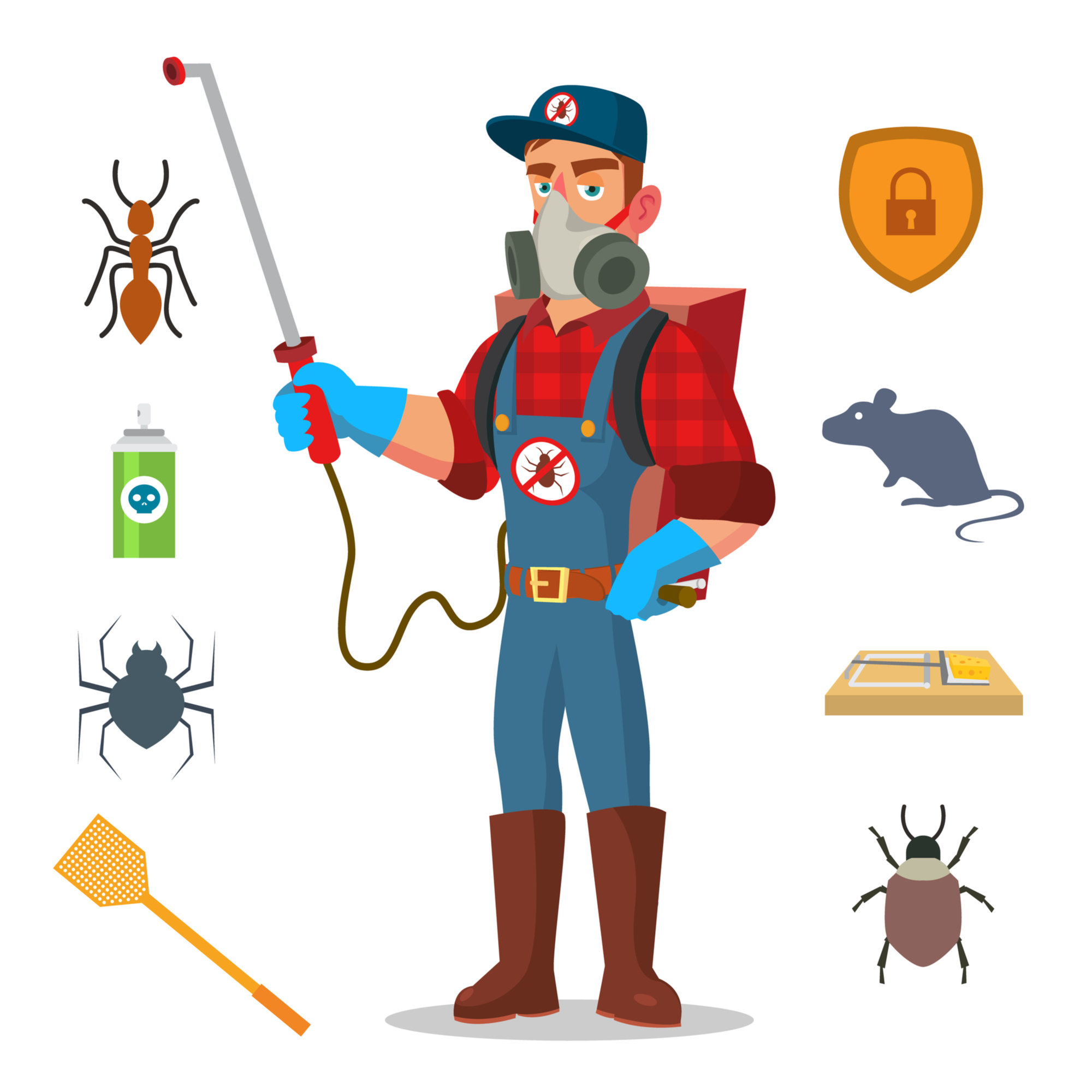
Pest Control Technician Certification
Learn to work with natural systems and build a career that makes a difference in this course. Professional pest control training covering insect identification, rodent management, termite treatment, integrated pest management (IPM), pesticide safety, and licensing preparation. Includes field techniques, soil analysis, and sustainable management planning exercises drawn from active farms and conservation sites.

Urban Farming and Community Gardens
Learn to work with natural systems and build a career that makes a difference in this course. Urban agriculture covering container gardening, vertical farming, community garden management, microgreens production, farmers market operations, and urban food policy. Includes field techniques, soil analysis, and sustainable management planning exercises drawn from active farms and conservation sites.
Pro Tips for Learning IPM
- #1Focus on understanding core IPM principles first, then build practical skills through hands-on projects and simulations.
- #2Seek out IPM courses that include integrated training in agroecology, entomology, plant pathology, and soil science.
- #3Earn industry certifications like the Associate Certified Entomologist (ACE) or Integrated Pest Management Specialist (IPMS) credential.
Why Learn IPM?
- Master sustainable, scientifically-validated methods for controlling pests that are better for the environment, workers, and consumers.
- Gain a competitive advantage in high-growth, future-proof fields like regenerative agriculture, urban planning, and environmental management.
- Qualify for well-paid specialist roles that earn significantly more than industry averages.