
All Skills
Skill
Learn Pesticide Safety
1 expert-rated courses covering Pesticide Safety. Compared by rating, price, difficulty, and job relevance so you can pick the right one.
Pesticide Safety is a core competency for pest control technicians, landscape managers, and agricultural workers. Annual salaries for certified pesticide applicators average $45,000, with 8% projected job growth by 2026. Pairing Pesticide Safety with expertise in plant science, entomology, or occupational safety can enhance career opportunities.
Pesticide Safety encompasses the principles and practices of safely handling, storing, and applying pesticides. In 2026, this skill will be increasingly crucial as global pest management demands grow. SkillsetCourse.com offers 1 expert-rated course on Pesticide Safety, covering applications in agriculture, landscaping, and public health.
1
Courses
8.1/10
Avg Rating
0
Free Options
1
With Certificate
Catalog analysis updated . Ratings are independent editorial scores. Read the rating methodology.
Key Facts About Pesticide Safety
- 1The Environmental Protection Agency (EPA) establishes pesticide safety guidelines and licensing requirements in the United States.
- 2Proper pesticide handling techniques can reduce worker exposure and environmental contamination by up to 90%.
- 3Integrated Pest Management (IPM) emphasizes using pesticides as a last resort, combining chemical, biological, and cultural controls.
- 4Personal protective equipment (PPE) like chemically-resistant gloves and goggles is mandatory when applying pesticides.
- 5Maintaining accurate pesticide application records is required for regulatory compliance and liability protection.
Available on
Top Pesticide Safety Courses
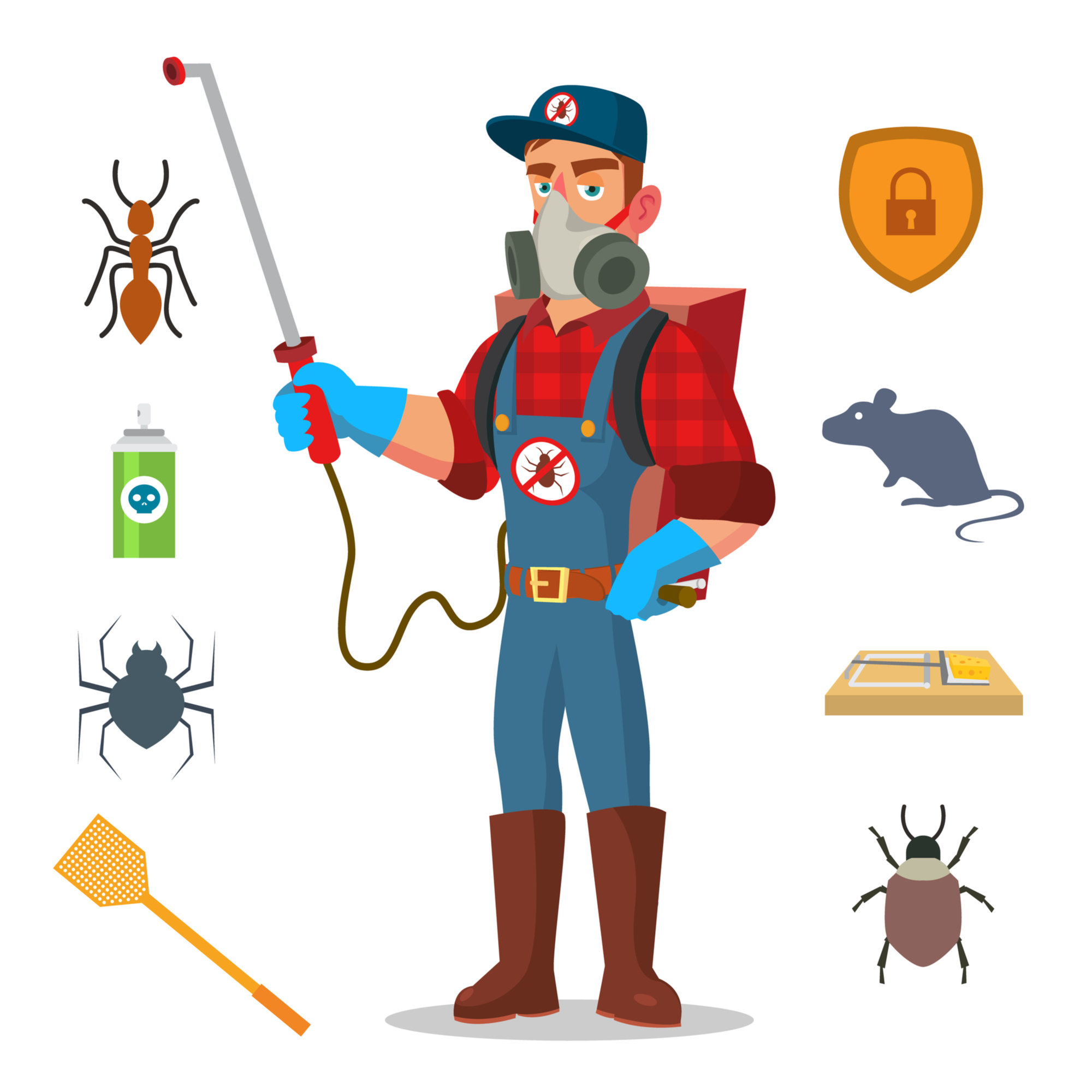
Pro Tips for Learning Pesticide Safety
- #1Familiarize yourself with the EPA's Worker Protection Standard (WPS) and state-specific pesticide regulations.
- #2Gain hands-on experience through an internship or apprenticeship program with a licensed pest control company.
- #3Pursue continuing education to stay current on new pesticide products, application techniques, and safety protocols.
- #4Complement your Pesticide Safety training with studies in entomology, plant science, or environmental management.
Why Learn Pesticide Safety?
- Earn a Pesticide Applicator Certification to work legally in the pest control industry.
- Increase your value to employers by demonstrating expertise in safe and sustainable pesticide use.
- Contribute to public health and environmental protection by minimizing pesticide risks.
- Expand your career options in agriculture, landscaping, pest management, and more.
Frequently Asked Questions
How to learn Pesticide Safety for free?▾
While SkillsetCourse.com does not currently offer any free Pesticide Safety courses, you can find free online resources from the EPA, state agricultural extension services, and professional associations like the National Pest Management Association.
Best Pesticide Safety courses for beginners?▾
The top-rated "Pest Control Technician Certification" course on SkillsetCourse.com is an excellent starting point for beginners, covering essential pesticide safety principles, application methods, and regulatory requirements.
Is Pesticide Safety hard to learn?▾
Pesticide Safety requires mastering technical knowledge and hands-on application skills, but it is a learnable competency for those willing to put in the effort. Structured training and practical experience are key to becoming proficient.
How long to learn Pesticide Safety?▾
The time it takes to learn Pesticide Safety can vary, but most certification programs range from 40-80 hours of coursework and supervised training. Factors like prior experience and study pace will impact the learning timeline.
Pesticide Safety salary 2026?▾
Certified pesticide applicators in the United States earned a median annual salary of $45,000 in 2021, with projected 8% job growth by 2026 as demand increases for skilled pest management professionals.
What are the prerequisites to get Pesticide Safety certified?▾
Requirements for Pesticide Applicator Certification vary by state, but typically include completing approved training, passing a written exam, and sometimes demonstrating practical application skills. Check with your state's Department of Agriculture or EPA regional office for specific prerequisites.